Common Mistakes Importers Make When Sourcing Mangoes from Pakistan (And How to Avoid Them)

Introduction

Sourcing mangoes from Pakistan can be highly profitable. The country produces world-famous varieties like Sindhri and Chaunsa, which are in strong demand across the Middle East, Europe, and beyond.

But many importers-especially new ones-lose money not because of bad suppliers, but because of avoidable mistakes in how they source, plan, and manage shipments.

In mango trade, small errors turn into big losses fast. A delay, wrong grading, or poor supplier choice can ruin an entire season.

This article breaks down the most common mistakes importers make when sourcing mangoes from Pakistan-and how to avoid them in real business situations.
 

Mistake 1 – Choosing Suppliers Based Only on Price

Why It Happens

Many importers focus heavily on getting the lowest price per kg. On paper, cheaper looks better.

But mango export is not a commodity game-it’s a quality and timing business.

The Real Problem

Low prices often hide issues like:

  • Poor grading
  • High defect rates
  • Weak packaging
  • Inconsistent quality

What looks cheap at purchase can become expensive after losses.

How to Avoid It

Focus on:

  • Overall landed cost (not just FOB price)
  • Supplier reliability
  • Consistency over time

Mistake 2 – Ignoring Quality Consistency

One Good Sample is Not Enough

A common mistake is approving a supplier after receiving one perfect sample.

But mango quality can vary from batch to batch.

What Importers Miss

Inconsistent shipments lead to:

  • Customer complaints
  • Retail rejection
  • Brand damage

How to Avoid It

Always check:

  • Multiple samples
  • Trial shipments
  • Past export performance

Consistency is more important than perfection.

Mistake 3 – Not Understanding Seasonal Timing

Wrong Timing = Lost Profit

Many importers enter the market too late or too early without understanding demand cycles.

What Happens Then

  • Early entry: high prices but limited supply
  • Late entry: low prices but low demand

Bad timing reduces margins significantly.

How to Avoid It

Plan sourcing based on:

  • Middle East vs Europe demand cycles
  • Ramadan and Eid demand spikes
  • Peak harvest seasons in Pakistan

Mistake 4 – Weak Supplier Verification

Trusting Without Checking

Some importers rely on WhatsApp conversations or basic emails to finalize deals.

The Risk

Without verification, risks include:

  • Fake exporters
  • Poor infrastructure
  • No export experience

How to Avoid It

Always verify:

  • Export history
  • Certifications
  • Previous buyer references
  • Facility or packing house details

Mistake 5 – Poor Understanding of FOB vs CIF

Confusion in Deal Structure

Many importers don’t fully understand shipping terms.

What Goes Wrong

  • Hidden freight costs
  • Misunderstood responsibilities
  • Disputes over damage or delays

How to Avoid It

Clearly define:

  • Who handles freight
  • Who insures shipment
  • Where risk transfers

Understanding FOB and CIF properly prevents most disputes.

Mistake 6 – Ignoring Packaging Standards

Packaging is Not Just Protection

Importers often underestimate packaging quality.

The Result of Poor Packaging

  • Bruised fruit
  • High wastage
  • Retail rejection

How to Avoid It

Demand:

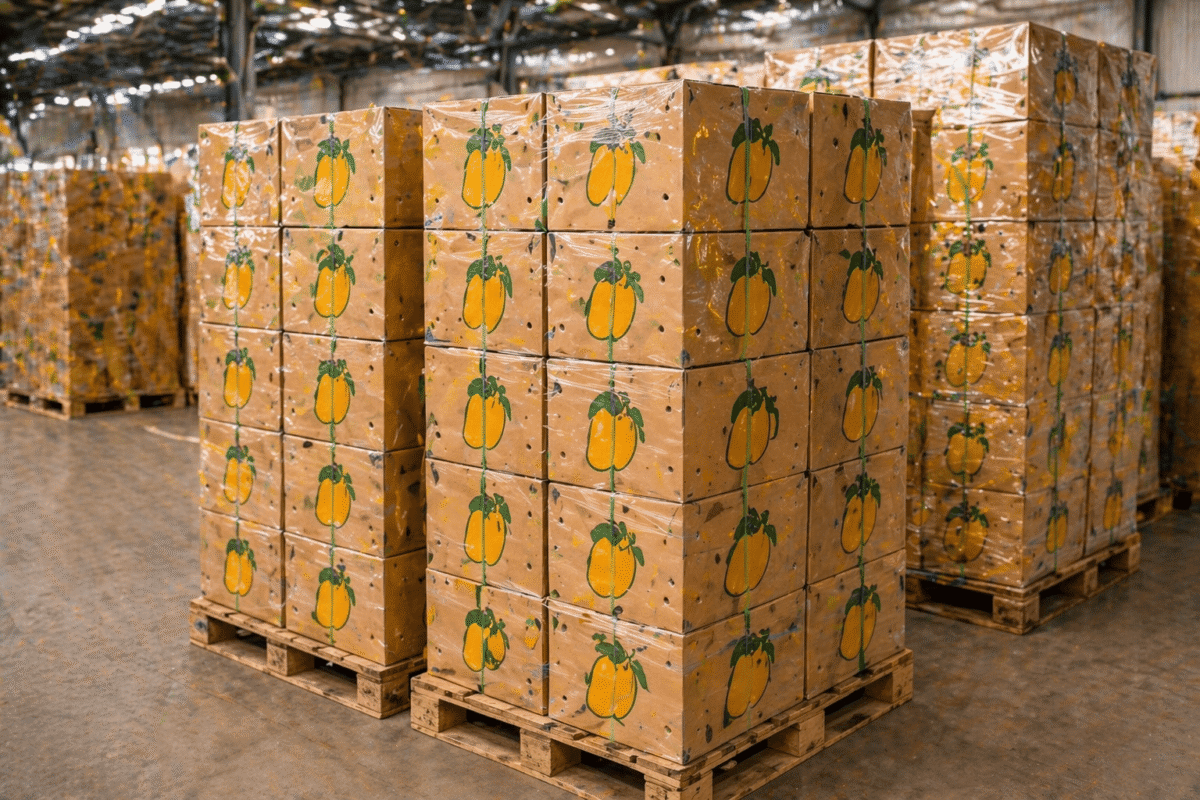
  • Export-grade cartons
  • Ventilated boxes
  • Proper labeling and grading

Mistake 7 – No Trial Shipment Before Large Orders

Skipping the Testing Phase

Some importers place large orders without testing suppliers.

The Risk

  • Unexpected quality issues
  • Delivery delays
  • Financial loss

How to Avoid It

Start with:

  • Small trial shipments
  • Air freight samples
  • Limited volume testing

Mistake 8 – Weak Communication with Suppliers

Delayed or Unclear Communication

Slow communication leads to confusion in fast-moving perishable trade.

The Impact

  • Missed shipping deadlines
  • Wrong specifications
  • Order mistakes

How to Avoid It

Work with suppliers who:

  • Respond quickly
  • Provide clear updates
  • Share real-time shipment status

Mistake 9 – Ignoring Compliance Requirements

Certifications Matter More Than Expected

Some importers focus only on fruit quality and ignore documentation.

What Can Go Wrong

  • Customs rejection
  • Port delays
  • Additional fines or testing

How to Avoid It

Ensure supplier provides:

  • Phytosanitary certificate
  • GlobalG.A.P (if required)
  • Lab test reports

Mistake 10 – No Long-Term Strategy

Thinking Only Per Shipment

Many importers focus on single deals instead of building supplier relationships.

Why It’s a Problem

Without long-term planning:

  • Prices stay unstable
  • Quality remains inconsistent
  • Trust never builds

How to Avoid It

  • Build repeat supplier partnerships
  • Negotiate seasonal contracts
  • Focus on reliability over short-term savings

Practical Risk Prevention Checklist

Before placing an order, ensure:

  • Supplier is verified with export history
  • Multiple samples are tested
  • FOB/CIF terms are clearly defined
  • Packaging meets export standards
  • Trial shipment is completed
  • Certifications are in place
  • Communication is fast and clear
  • Seasonal timing is planned properly

Final Thoughts

Importing mangoes from Pakistan is not difficult-but it is detail-sensitive.

Most losses don’t happen because of bad luck. They happen because of avoidable mistakes: wrong suppliers, poor timing, weak verification, and unclear deal structures.

The importers who succeed are not the ones who take the biggest risks-they are the ones who manage risk properly.

If you avoid these common mistakes, you don’t just protect your money-you build a reliable, long-term mango supply chain that grows stronger every season.
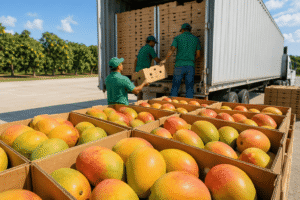
How to Evaluate a Mango Supplier from Pakistan Before You Buy

Introduction

Buying mangoes from Pakistan can be highly profitable-but only if you choose the right supplier.

Many international buyers make the mistake of focusing only on price or pictures. On paper, every supplier looks perfect. But in real trade, the difference between a reliable exporter and a risky one becomes clear only after the shipment is already on the way.

That’s why supplier evaluation is not just a step-it’s a protection strategy.

If you know what to check before placing an order, you reduce risk, avoid losses, and build long-term supply partnerships instead of one-time deals.

Why Supplier Evaluation Matters in Mango Trade

High Risk Due to Perishability

Mangoes are extremely sensitive products. Once harvested, time starts working against quality.

A weak supplier can lead to:

  • Overripe shipments
  • Delayed delivery
  • Financial losses

Distance Increases Uncertainty

When buying from Pakistan, most buyers cannot physically inspect farms or packing houses.

So you rely on:

  • Documents
  • Communication
  • Past performance

That’s why proper evaluation is essential.

Step 1 – Check Supplier Experience and Track Record

Export History Matters

A strong supplier usually has:

  • Multiple export seasons completed
  • Experience with different markets (UAE, UK, Europe)
  • Existing buyer relationships

Ask for Real References

Don’t rely only on claims.

Ask for:

  • Past shipment details
  • Buyer references
  • Export destinations

Reliable exporters won’t hesitate to share proof.

Step 2 – Evaluate Product Quality Standards

Mango Variety Expertise

A good supplier understands different varieties like:

  • Sindhri
  • Chaunsa
  • Anwar Ratol

They should know which variety suits which market.

Consistency Over Appearance

One good sample is not enough.

Check:

  • Consistency across batches
  • Size uniformity
  • Ripening behavior

Defect Rate Control

Professional suppliers maintain:

  • Low damage percentage (usually under 5%)
  • Proper grading systems

Step 3 – Verify Certifications and Compliance

Essential Certifications

For international trade, look for:

  • GlobalG.A.P
  • HACCP
  • Phytosanitary certificate capability

Food Safety Compliance

Ask about:

  • Pesticide residue testing
  • Lab reports
  • Export compliance systems

Step 4 – Inspect Packaging and Handling Standards

Export-Quality Packaging

Good suppliers use:

  • Strong corrugated cartons
  • Ventilated packaging
  • Proper labeling

Handling Practices

Check if they have:

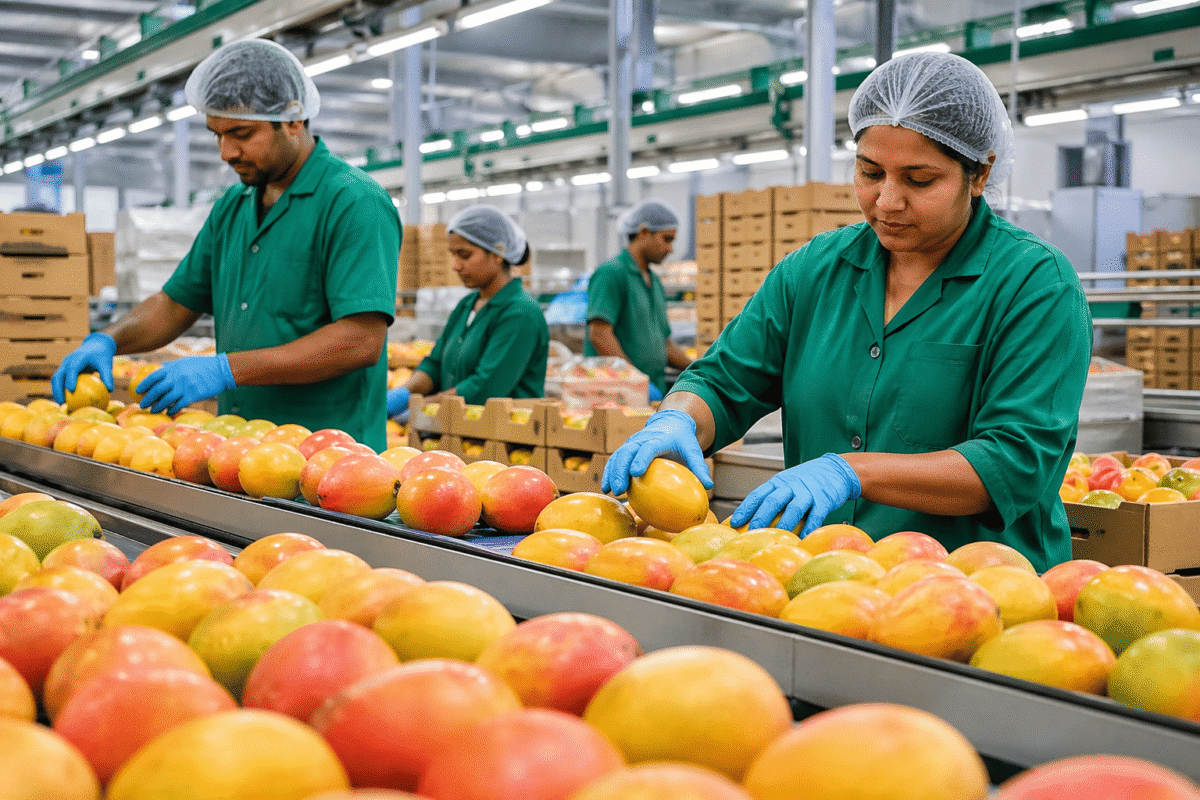
  • Pre-cooling facilities
  • Cold chain handling
  • Proper sorting systems

Poor handling = damaged fruit on arrival.

Step 5 – Evaluate Communication and Responsiveness

Fast Response Time

In mango trade, delays in communication often mean lost deals.

A reliable supplier:

  • Replies quickly
  • Gives clear answers
  • Shares updates proactively

Transparency in Information

Avoid suppliers who:

  • Overpromise quality
  • Avoid direct answers
  • Hide details about sourcing

Step 6 – Understand Pricing Structure

FOB vs CIF Clarity

A professional supplier clearly explains:

  • What is included in FOB
  • What is included in CIF
  • Hidden costs (if any)

Market-Realistic Pricing

Be careful if pricing is:

  • Too low compared to market
  • Not aligned with season demand

Very low prices often indicate compromised quality.

Step 7 – Logistics and Delivery Capability

On-Time Shipment Record

Ask:

  • Do they meet shipping deadlines?
  • How do they handle delays?

Export Handling Capacity

Strong suppliers can manage:

  • Air shipments
  • Sea shipments
  • Mixed orders

Step 8 – Test with a Trial Order

Why Trial Orders Matter

Never trust a supplier fully without testing.

A small shipment helps you check:

  • Real quality
  • Packaging strength
  • Delivery performance

What to Evaluate in Trial Shipment

  • Ripening after arrival
  • Defect levels
  • Customer feedback

Red Flags to Watch Out For

  • No clear export history
  • Refusal to provide samples
  • Unclear pricing breakdown
  • Poor communication
  • No certification evidence
  • Overpromising yields or quality

If you see multiple red flags, it’s better to step back.

Practical Buyer Checklist

Before confirming any supplier, make sure:

  • They have proven export experience
  • They provide consistent quality samples
  • They hold or support required certifications
  • Packaging meets export standards
  • Communication is fast and clear
  • Pricing is transparent
  • They agree to trial shipment
  • They understand your target market

Final Thoughts

Evaluating a mango supplier from Pakistan is not about one factor-it’s about checking the full system behind the product.

Good mangoes can come from many suppliers, but reliable exports only come from those who understand quality, logistics, compliance, and communication together.

If you follow a proper evaluation process instead of relying on assumptions, you reduce risk and increase your chances of building long-term, profitable trade relationships.

In mango export business, the smartest buyers don’t just choose suppliers-they filter them.

How Payment Terms Work in International Mango Trade (LC, Advance & Risk Explained)

Introduction

In international mango trade, one question comes up again and again: “How will the payment be made?”

For new buyers, sending money upfront feels risky. For exporters, shipping mangoes without secure payment is even riskier. Since mangoes are perishable and time-sensitive, both sides need a payment system that is fast, secure, and practical.

That’s where payment terms come in. Whether it’s advance payment, Letter of Credit (LC), or other methods-each option balances risk differently between buyer and seller.

If you understand how these systems work, you can avoid costly mistakes and build stronger, more trustworthy trade relationships.

Why Payment Terms Matter in Mango Trade

High Risk Due to Perishable Nature

Mangoes can’t wait. Once shipped, they must be sold quickly.

This creates risk:

  • Exporter risks not getting paid
  • Buyer risks receiving poor-quality fruit

So payment terms are designed to protect both sides.

International Distance and Trust Gap

Unlike local trade, international deals involve:

  • Different countries
  • Different legal systems
  • No face-to-face interaction

That’s why structured payment methods are essential.

Common Payment Methods in Mango Export

  1. Advance Payment (Full or Partial)

This is the simplest method.

The buyer pays before shipment-either:

  • 100% in advance
  • Or partial (e.g., 30–50% advance, rest later)

How Advance Payment Works

  1. Buyer confirms order
  2. Payment is made upfront
  3. Exporter ships mangoes

Advantages of Advance Payment

For Exporter:

  • No payment risk
  • Better cash flow

For Buyer:

  • Faster processing
  • Easier negotiation on price

Risks of Advance Payment

For Buyer:

  • Risk of poor quality
  • Risk of delayed shipment

This method works best when trust already exists.

  1. Letter of Credit (LC)

What Is an LC?

A Letter of Credit is a bank guarantee that ensures the exporter gets paid if they meet all agreed conditions.

It’s one of the safest payment methods in international trade.

How LC Works (Simple Flow)

  1. Buyer opens LC through their bank
  2. Exporter ships mangoes
  3. Exporter submits documents to bank
  4. Bank releases payment after verification

Advantages of LC

For Exporter:

  • Payment guaranteed by bank
  • Reduced financial risk

For Buyer:

  • Payment only released after shipment proof
  • Protection against non-delivery

Challenges of LC

  • Complex documentation
  • Bank charges (can be high)
  • Time-consuming process

Even small document errors can delay payment.

  1. Open Account / Credit Terms

What It Means

In this method, the exporter ships mangoes first, and the buyer pays later (e.g., after 15–30 days).


Who Uses This?

  • Long-term partners
  • Trusted buyers and suppliers

Risks Involved

For Exporter:

  • High risk of non-payment

For Buyer:

  • Lowest risk

This method is rare for new relationships.

  1. Documents Against Payment (DP)

How It Works

  • Exporter ships mangoes
  • Documents are sent through bank
  • Buyer gets documents only after payment

Risk Level

  • Medium risk for both sides

Buyer cannot clear goods without paying, but exporter still depends on buyer action.

How Buyers and Exporters Choose Payment Terms

Based on Trust Level

  • New relationship → Advance or LC
  • Established relationship → Flexible terms

Based on Order Size

  • Small orders → Advance payment
  • Large orders → LC preferred

Based on Market Conditions

During high demand:

  • Exporters demand advance

During slow markets:

  • Buyers negotiate better terms

Risk Management in Mango Trade

For Exporters

  • Work with verified buyers
  • Use LC for large orders
  • Avoid full credit for new clients
  • Keep documentation accurate

For Buyers

  • Request samples before ordering
  • Verify supplier credentials
  • Start with small orders
  • Use LC or partial advance

Common Mistakes in Payment Handling

  • Agreeing to unclear payment terms
  • Ignoring bank charges in LC
  • Sending full advance to unknown suppliers
  • Poor documentation leading to delays
  • Not aligning payment with shipment timing

These mistakes can cause financial loss or shipment delays.

Practical Example of a Balanced Deal

A typical safe deal might look like:

  • 30% advance payment
  • 70% after shipment (against documents)

This way:

  • Exporter gets working capital
  • Buyer reduces risk

Tips for Smooth Payment Handling

Keep Terms Simple

Complex agreements increase confusion and risk.

Communicate Clearly

Confirm every detail:

  • Payment timeline
  • Bank details
  • Documentation requirements

Match Payment Method with Risk Level

Higher risk = stronger payment protection (LC or advance)

Build Long-Term Trust

As trust grows, payment terms become more flexible and business becomes easier.

Final Thoughts

Payment terms are the backbone of international mango trade. They define who takes the risk, when money moves, and how secure the deal is.

There is no “one best method”-only the method that fits your situation, experience, and trust level.

For new buyers and exporters, starting with safer options like advance payment or LC is wise. Over time, as relationships grow stronger, more flexible terms can be introduced.

In the end, successful mango trading is not just about selling fruit-it’s about managing risk, building trust, and ensuring every deal runs smoothly from start to finish.


Minimum Order Quantities in Mango Export – What Suppliers Don’t Tell You

Introduction

If you’ve ever asked a mango supplier, “What’s your minimum order?”, you’ve probably received a simple answer: “1 ton” or “5 tons minimum.”

But here’s the truth-MOQ (Minimum Order Quantity) in mango export is not as straightforward as it sounds.

Behind that number are hidden costs, logistical realities, and business decisions that suppliers don’t always explain clearly. And if you don’t understand these details, you can either overpay, overcommit, or miss a good opportunity.

This article breaks down what MOQ really means in mango exports, why it exists, and how buyers-especially new ones-can work around it smartly.


What MOQ Actually Means in Mango Export

It’s Not Just a Random Number

MOQ is the minimum quantity a supplier is willing to sell in one shipment.

But it’s usually based on:

  • Packing efficiency
  • Shipping costs
  • Profit margins

So when a supplier says “1 ton minimum,” they’re thinking about their cost structure-not just your needs.

MOQ Depends on Shipment Type

MOQ changes depending on how you ship mangoes.

  • Air shipments: Smaller MOQ (often 200-500 kg possible)
  • Sea shipments: Larger MOQ (usually 1-5 tons or more)

Why? Because shipping economics are completely different.

The Hidden Costs Behind MOQ

Packing and Handling Costs

Export-quality packaging isn’t cheap.

Even for small orders, suppliers must:

  • Sort and grade mangoes
  • Use export cartons
  • Handle carefully

These costs don’t reduce much with smaller quantities.

Logistics and Documentation

Every shipment-big or small-requires:

  • Phytosanitary certificates
  • Export documentation
  • Customs clearance

These fixed costs make very small orders less attractive for suppliers.

Freight Efficiency

Shipping companies charge based on space and weight.

Small shipments often:

  • Cost more per kg
  • Have less priority

This is why suppliers push for higher MOQ-it improves cost efficiency.

Why Suppliers Set Higher MOQ

To Protect Their Margins

Small orders often mean:

  • More work
  • Lower profit

So suppliers prefer larger orders where margins are better.

To Reduce Operational Complexity

Handling many small orders can be difficult.

It involves:

  • More coordination
  • More documentation
  • Higher risk of errors

Larger orders simplify operations.

To Filter Serious Buyers

MOQ is also used as a filter.

Suppliers often assume:

  • Small buyers = higher risk
  • Large buyers = long-term potential

So higher MOQ helps them focus on serious clients.

Real MOQ in Different Scenarios

Air Freight Orders

Typical MOQ: 200 kg – 500 kg

Best for:

  • Testing new markets
  • Premium mango sales
  • Early-season shipments

Sea Freight (LCL – Less than Container Load)

Typical MOQ: 1 ton – 3 tons

Best for:

  • Medium-scale buyers
  • Cost control
  • Expanding business

Full Container Load (FCL)

Typical MOQ: 10-20 tons

Best for:

  • Large importers
  • Established businesses
  • Long-term contracts

What Suppliers Don’t Always Tell You

MOQ Is Often Negotiable

Many suppliers can reduce MOQ-but only if:

  • You accept higher price per kg
  • You’re flexible on delivery timing

Small Orders Cost More Per Unit

Even if a supplier agrees to a smaller MOQ, your cost per kg will likely be higher.

This is normal-and often unavoidable.

Mixed Shipments Are Possible

Some suppliers allow mixing:

  • Different mango varieties
  • Different grades

This helps meet MOQ without committing to one product.

Trial Orders Are Common

Serious suppliers often agree to smaller trial shipments to build trust.

But these are usually priced higher than bulk deals.

How Buyers Can Work Around MOQ

Start with Air Shipments

If you’re new, air freight is the easiest way to start small.

Yes, it’s expensive-but it reduces risk.

Partner with Other Buyers

You can combine orders with:

  • Other importers
  • Local distributors

This helps you reach MOQ together.

Negotiate Smartly

Instead of asking: “What’s your MOQ?”

Ask: “What’s the smallest quantity you can supply profitably?”

This opens the door for flexibility.

Build Relationships First

Suppliers are more flexible with buyers they trust.

Start small, perform well, and then negotiate better terms.

Common Mistakes Buyers Make

  • Accepting MOQ without understanding costs
  • Ordering too much too soon
  • Ignoring freight impact on pricing
  • Choosing cheapest option instead of best value
  • Not testing quality before large orders

These mistakes can lead to financial loss or unsold stock.

Practical Tips for First-Time Buyers

  • Start with a small trial shipment
  • Focus on quality over quantity
  • Understand full cost (product + freight + duties)
  • Communicate clearly with suppliers
  • Plan your sales before placing large orders

Final Thoughts

MOQ in mango export is not just a number-it’s a reflection of real costs, logistics, and business strategy.

Suppliers set MOQs to protect their operations, but that doesn’t mean buyers have no flexibility. With the right approach, you can start small, test the market, and grow step by step.

The key is to understand what’s behind the MOQ, not just accept it blindly.

Because in export business, smart decisions at the beginning often decide your long-term success.

How Bulk Mango Deals Are Structured (FOB vs CIF Explained for Buyers)

Introduction

If you’re entering the mango import business or even exporting at scale one of the first confusing things you’ll face is deal structure.

You’ll hear terms like FOB and CIF in almost every conversation. Prices will vary, responsibilities will shift, and suddenly the “same mango” looks like two different deals.

The truth is, how a mango deal is structured matters just as much as price or quality. A well-structured deal reduces risk, builds trust, and ensures both buyer and seller know exactly what they’re responsible for.

Let’s break it down in a simple, practical way how bulk mango deals actually work, and how FOB and CIF fit into the picture.

What a Bulk Mango Deal Really Includes

Before we even talk about FOB or CIF, it’s important to understand what’s inside a typical mango deal.

A bulk deal is not just:
“X tons of mangoes at $Y per kg”

It includes:

  • Product specifications (variety, size, grade)
  • Quantity (e.g., 5 tons, 10 tons)
  • Packaging details
  • Delivery timeline
  • Payment terms
  • Shipping responsibility

This is where FOB and CIF come in they define who handles shipping, cost, and risk.

What Does FOB Mean in Mango Trade?

FOB (Free on Board) – Simple Explanation

In an FOB deal, the exporter is responsible until the mangoes are loaded onto the ship or plane at the origin port.

After that, everything becomes the buyer’s responsibility.

What the Seller Handles (FOB)

  • Harvesting and packing
  • Inland transport to port
  • Export documentation
  • Loading onto vessel

What the Buyer Handles (FOB)

  • Freight (air or sea)
  • Insurance
  • Import clearance
  • Local delivery in destination country

Why Buyers Choose FOB

Many experienced importers prefer FOB because:

  • They can control shipping costs
  • They already have logistics partners
  • They can optimize freight timing

When FOB Works Best

  • Buyer has strong logistics network
  • Large, experienced importers
  • Regular, high-volume trade

What Does CIF Mean in Mango Trade?

CIF (Cost, Insurance, Freight) – Simple Explanation

In a CIF deal, the exporter takes responsibility for delivering the mangoes to the destination port.

The price includes:

  • Product cost
  • Shipping cost
  • Insurance

What the Seller Handles (CIF)

  • Everything included in FOB
  • Freight booking
  • Insurance coverage
  • Delivery to destination port

What the Buyer Handles (CIF)

  • Import clearance
  • Duties and taxes
  • Local distribution

Why Buyers Choose CIF

CIF is popular among:

  • New importers
  • Buyers without logistics experience
  • Smaller businesses

It simplifies the process they just receive the goods at their port.

When CIF Works Best

  • Buyer wants convenience
  • Smaller shipment volumes
  • New market entry

FOB vs CIF – Key Differences That Matter

Cost Structure

  • FOB: Lower upfront price, but buyer pays freight separately
  • CIF: Higher price, but includes shipping and insurance

Control Over Shipment

  • FOB: Buyer controls logistics
  • CIF: Seller manages shipment

Risk Distribution

  • FOB: Risk transfers earlier (once loaded)
  • CIF: Seller manages more risk during transit

H3: Transparency in Pricing

FOB is often more transparent because freight costs are separate.

In CIF, freight is included so buyers must trust the seller’s pricing.

How Real Mango Deals Are Negotiated

Step 1 – Product Agreement

Both parties agree on:

  • Variety (Sindhri, Chaunsa, etc.)
  • Size and grade
  • Packaging

Step 2 – Quantity and Schedule

Deals are structured in:

  • Weekly shipments
  • Full-season contracts
  • Trial orders

Step 3 – Pricing Model (FOB or CIF)

This is where negotiation becomes important.

Buyer and seller decide:

  • Who handles freight
  • Which term suits both sides

Step 4 – Payment Terms

Common options include:

  • Advance payment
  • Letter of Credit (LC)
  • Partial advance + balance

Step 5 – Shipment Execution

Once everything is agreed:

  • Packing begins
  • Documentation is prepared
  • Shipment is dispatched

Common Mistakes in Deal Structuring

  • Not clearly defining FOB or CIF terms
  • Ignoring hidden costs (especially in CIF)
  • Overpromising delivery timelines
  • Poor communication on shipment updates
  • Not understanding risk transfer points

These issues often lead to disputes even when quality is good.

Practical Tips for Buyers

Choose FOB if You Want Control

If you have logistics partners, FOB gives better cost control and flexibility.

Choose CIF if You Want Simplicity

If you’re new or want less hassle, CIF is easier to manage.

Always Break Down the Price

Even in CIF deals, ask for:

  • Product cost
  • Freight cost
  • Insurance cost

This helps you understand margins.

Start with Trial Shipments

Before committing to large volumes, test the supplier with smaller orders.

Why Deal Structure Impacts Profit

Two buyers can purchase the same mangoes but make different profits just because of deal structure.

For example:

  • One buyer manages freight efficiently (FOB) → lower total cost
  • Another relies on CIF pricing → pays slightly more but saves time

The right choice depends on your experience, network, and business goals.

Final Thoughts

Bulk mango deals are not just about price they’re about structure, clarity, and risk management.

Understanding FOB and CIF is essential for anyone involved in international trade. These terms define who does what, who pays for what, and who takes the risk at each stage.

Once you understand this, negotiations become easier, decisions become smarter, and deals become more profitable.

In the end, a good deal is not just one that looks cheap it’s one that works smoothly from farm to final market.