
Introduction
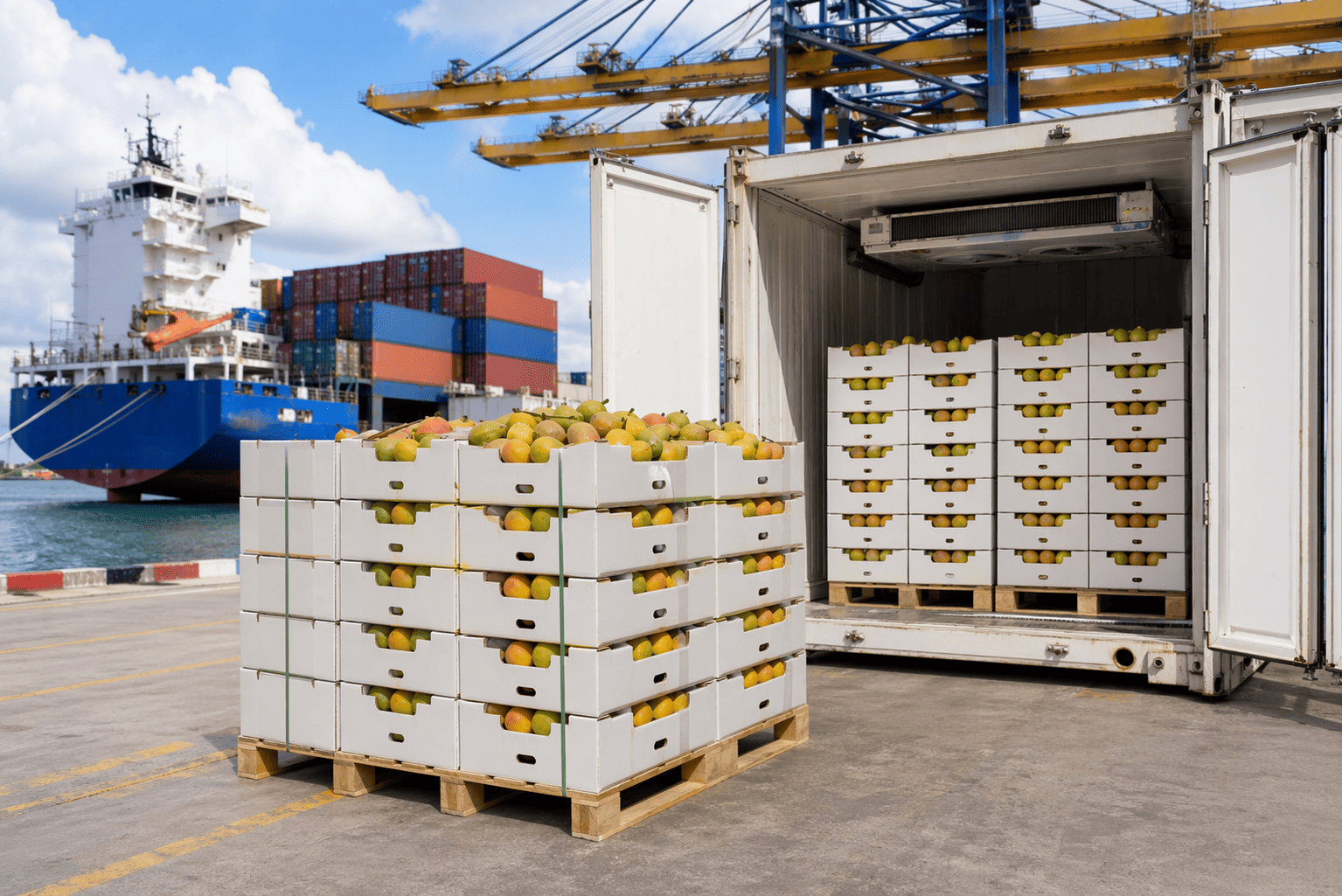
Sourcing mangoes from Pakistan can be highly profitable. The country produces world-famous varieties like Sindhri and Chaunsa, which are in strong demand across the Middle East, Europe, and beyond.
But many importers-especially new ones-lose money not because of bad suppliers, but because of avoidable mistakes in how they source, plan, and manage shipments.
In the mango trade, small errors turn into big losses fast. A delay, wrong grading, or poor supplier choice can ruin an entire season.
This article breaks down the most common mistakes importers make when sourcing mangoes from Pakistan, and how to avoid them in real business situations.
Mistake 1 – Choosing Suppliers Based Only on Price
Why It Happens
Many importers focus heavily on getting the lowest price per kg. On paper, cheaper looks better.
But mango export is not a commodity game-it’s a quality and timing business.
The Real Problem
Low prices often hide issues like:
- Poor grading
- High defect rates
- Weak packaging
- Inconsistent quality
What looks cheap at purchase can become expensive after losses.
How to Avoid It
Focus on:
- Overall landed cost (not just FOB price)
- Supplier reliability
- Consistency over time
Mistake 2 – Ignoring Quality Consistency
One Good Sample is Not Enough
A common mistake is approving a supplier after receiving one perfect sample.
But mango quality can vary from batch to batch.
What Importers Miss
Inconsistent shipments lead to:
- Customer complaints
- Retail rejection
- Brand damage
How to Avoid It
Always check:
- Multiple samples
- Trial shipments
- Past export performance
Consistency is more important than perfection.
Mistake 3 – Not Understanding Seasonal Timing
Wrong Timing = Lost Profit
Many importers enter the market too late or too early without understanding demand cycles.
What Happens Then
- Early entry: high prices but limited supply
- Late entry: low prices but low demand
Bad timing reduces margins significantly.
How to Avoid It
Plan sourcing based on:
- Middle East vs Europe demand cycles
- Ramadan and Eid demand spikes
- Peak harvest seasons in Pakistan
Mistake 4 – Weak Supplier Verification
Trusting Without Checking
Some importers rely on WhatsApp conversations or basic emails to finalize deals.
The Risk
Without verification, risks include:
- Fake exporters
- Poor infrastructure
- No export experience
How to Avoid It
Always verify:
- Export history
- Certifications
- Previous buyer references
- Facility or packing house details
Mistake 5 – Poor Understanding of FOB vs CIF
Confusion in Deal Structure
Many importers don’t fully understand shipping terms.
What Goes Wrong
- Hidden freight costs
- Misunderstood responsibilities
- Disputes over damage or delays
How to Avoid It
Clearly define:
- Who handles freight
- Who insures shipment
- Where risk transfers
Understanding FOB and CIF properly prevents most disputes.
Mistake 6 – Ignoring Packaging Standards
Packaging is Not Just Protection
Importers often underestimate packaging quality.
The Result of Poor Packaging
- Bruised fruit
- High wastage
- Retail rejection
How to Avoid It
Demand:
- Export-grade cartons
- Ventilated boxes
- Proper labeling and grading
Mistake 7 – No Trial Shipment Before Large Orders
Skipping the Testing Phase
Some importers place large orders without testing suppliers.
The Risk
- Unexpected quality issues
- Delivery delays
- Financial loss
How to Avoid It
Start with:
- Small trial shipments
- Air freight samples
- Limited volume testing
Mistake 8 – Weak Communication with Suppliers
Delayed or Unclear Communication
Slow communication leads to confusion in fast-moving perishable trade.
The Impact
- Missed shipping deadlines
- Wrong specifications
- Order mistakes
How to Avoid It
Work with suppliers who:
- Respond quickly
- Provide clear updates
- Share real-time shipment status
Mistake 9 – Ignoring Compliance Requirements
Certifications Matter More Than Expected
Some importers focus only on fruit quality and ignore documentation.
What Can Go Wrong
- Customs rejection
- Port delays
- Additional fines or testing
How to Avoid It
Ensure supplier provides:
- Phytosanitary certificate
- GlobalG.A.P (if required)
- Lab test reports
Mistake 10 – No Long-Term Strategy
Thinking Only Per Shipment
Many importers focus on single deals instead of building supplier relationships.
Why It’s a Problem
Without long-term planning:
- Prices stay unstable
- Quality remains inconsistent
- Trust never builds
How to Avoid It
- Build repeat supplier partnerships
- Negotiate seasonal contracts
- Focus on reliability over short-term savings
Practical Risk Prevention Checklist
Before placing an order, ensure:
- Supplier is verified with export history
- Multiple samples are tested
- FOB/CIF terms are clearly defined
- Packaging meets export standards
- Trial shipment is completed
- Certifications are in place
- Communication is fast and clear
- Seasonal timing is planned properly
Final Thoughts
Importing mangoes from Pakistan is not difficult-but it is detail-sensitive.
Most losses don’t happen because of bad luck. They happen because of avoidable mistakes: wrong suppliers, poor timing, weak verification, and unclear deal structures.
The importers who succeed are not the ones who take the biggest risks-they are the ones who manage risk properly.
If you avoid these common mistakes, you don’t just protect your money-you build a reliable, long-term mango supply chain that grows stronger every season.