
Introduction
Buying mangoes from Pakistan can be highly profitable-but only if you choose the right supplier.
Many international buyers make the mistake of focusing only on price or pictures. On paper, every supplier looks perfect. But in real trade, the difference between a reliable exporter and a risky one becomes clear only after the shipment is already on the way.
That’s why supplier evaluation is not just a step-it’s a protection strategy.
If you know what to check before placing an order, you reduce risk, avoid losses, and build long-term supply partnerships instead of one-time deals.

Why Supplier Evaluation Matters in Mango Trade
High Risk Due to Perishability
Mangoes are extremely sensitive products. Once harvested, time starts working against quality.
A weak supplier can lead to:
- Overripe shipments
- Delayed delivery
- Financial losses
Distance Increases Uncertainty
When buying from Pakistan, most buyers cannot physically inspect farms or packing houses.
So you rely on:
- Documents
- Communication
- Past performance
That’s why proper evaluation is essential.
Step 1 – Check Supplier Experience and Track Record
Export History Matters
A strong supplier usually has:
- Multiple export seasons completed
- Experience with different markets (UAE, UK, Europe)
- Existing buyer relationships
Ask for Real References
Don’t rely only on claims.
Ask for:
- Past shipment details
- Buyer references
- Export destinations
Reliable exporters won’t hesitate to share proof.
Step 2 – Evaluate Product Quality Standards
Mango Variety Expertise
A good supplier understands different varieties like:
- Sindhri
- Chaunsa
- Anwar Ratol
They should know which variety suits which market.
Consistency Over Appearance
One good sample is not enough.
Check:
- Consistency across batches
- Size uniformity
- Ripening behavior
Defect Rate Control
Professional suppliers maintain:
- Low damage percentage (usually under 5%)
- Proper grading systems
Step 3 – Verify Certifications and Compliance
Essential Certifications
For international trade, look for:
- GlobalG.A.P
- HACCP
- Phytosanitary certificate capability
Food Safety Compliance
Ask about:
- Pesticide residue testing
- Lab reports
- Export compliance systems
Step 4 – Inspect Packaging and Handling Standards
Export-Quality Packaging
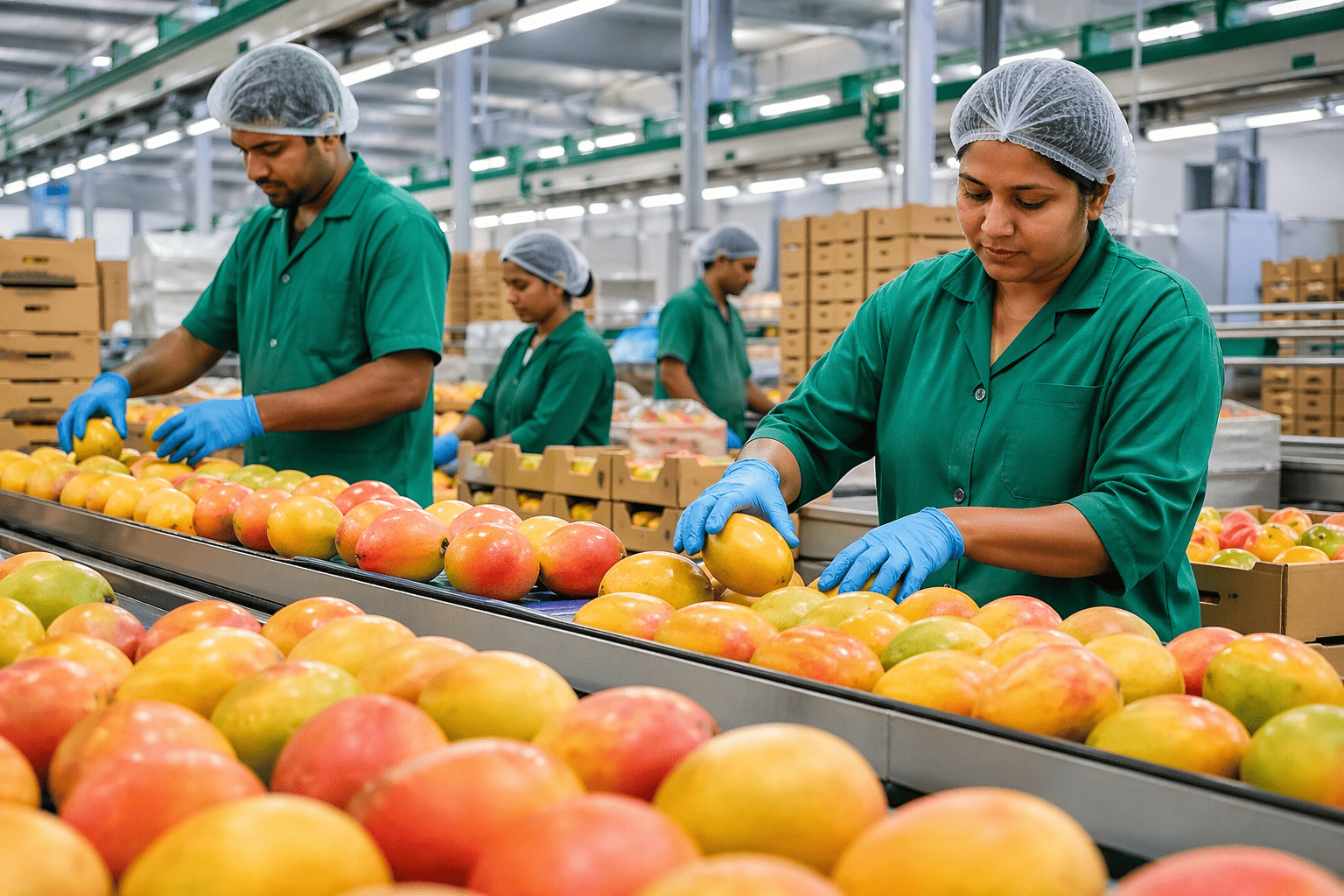
Good suppliers use:
- Strong corrugated cartons
- Ventilated packaging
- Proper labeling
Handling Practices
Check if they have:
- Pre-cooling facilities
- Cold chain handling
- Proper sorting systems
Poor handling = damaged fruit on arrival.
Step 5 – Evaluate Communication and Responsiveness
Fast Response Time
In mango trade, delays in communication often mean lost deals.
A reliable supplier:
- Replies quickly
- Gives clear answers
- Shares updates proactively
Transparency in Information
Avoid suppliers who:
- Overpromise quality
- Avoid direct answers
- Hide details about sourcing
Step 6 – Understand Pricing Structure
FOB vs CIF Clarity
A professional supplier clearly explains:
- What is included in FOB
- What is included in CIF
- Hidden costs (if any)
Market-Realistic Pricing
Be careful if pricing is:
- Too low compared to market
- Not aligned with season demand
Very low prices often indicate compromised quality.
Step 7 – Logistics and Delivery Capability
On-Time Shipment Record
Ask:
- Do they meet shipping deadlines?
- How do they handle delays?
Export Handling Capacity
Strong suppliers can manage:
- Air shipments
- Sea shipments
- Mixed orders
Step 8 – Test with a Trial Order
Why Trial Orders Matter
Never trust a supplier fully without testing.
A small shipment helps you check:
- Real quality
- Packaging strength
- Delivery performance
What to Evaluate in Trial Shipment
- Ripening after arrival
- Defect levels
- Customer feedback
Red Flags to Watch Out For
- No clear export history
- Refusal to provide samples
- Unclear pricing breakdown
- Poor communication
- No certification evidence
- Overpromising yields or quality
If you see multiple red flags, it’s better to step back.
Practical Buyer Checklist
Before confirming any supplier, make sure:
- They have proven export experience
- They provide consistent quality samples
- They hold or support required certifications
- Packaging meets export standards
- Communication is fast and clear
- Pricing is transparent
- They agree to trial shipment
- They understand your target market
Final Thoughts
Evaluating a mango supplier from Pakistan is not about one factor-it’s about checking the full system behind the product.
Good mangoes can come from many suppliers, but reliable exports only come from those who understand quality, logistics, compliance, and communication together.
If you follow a proper evaluation process instead of relying on assumptions, you reduce risk and increase your chances of building long-term, profitable trade relationships.
In mango export business, the smartest buyers don’t just choose suppliers-they filter them.