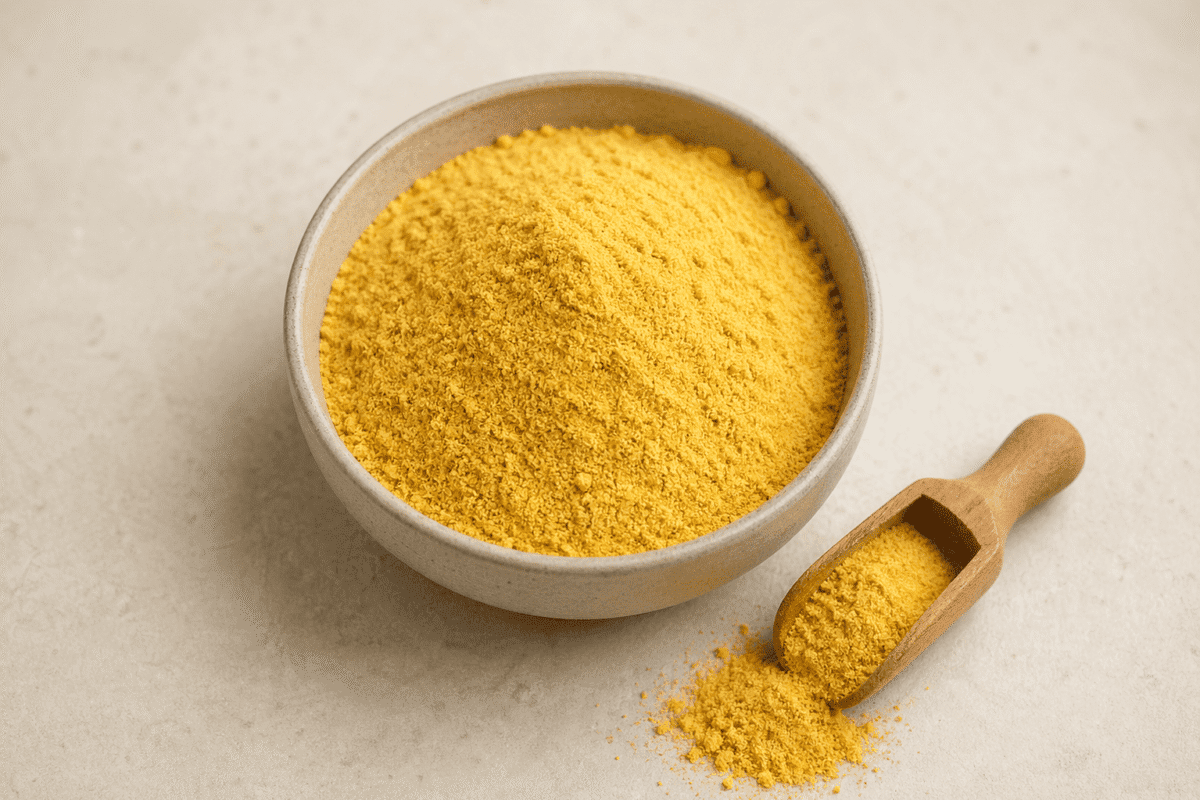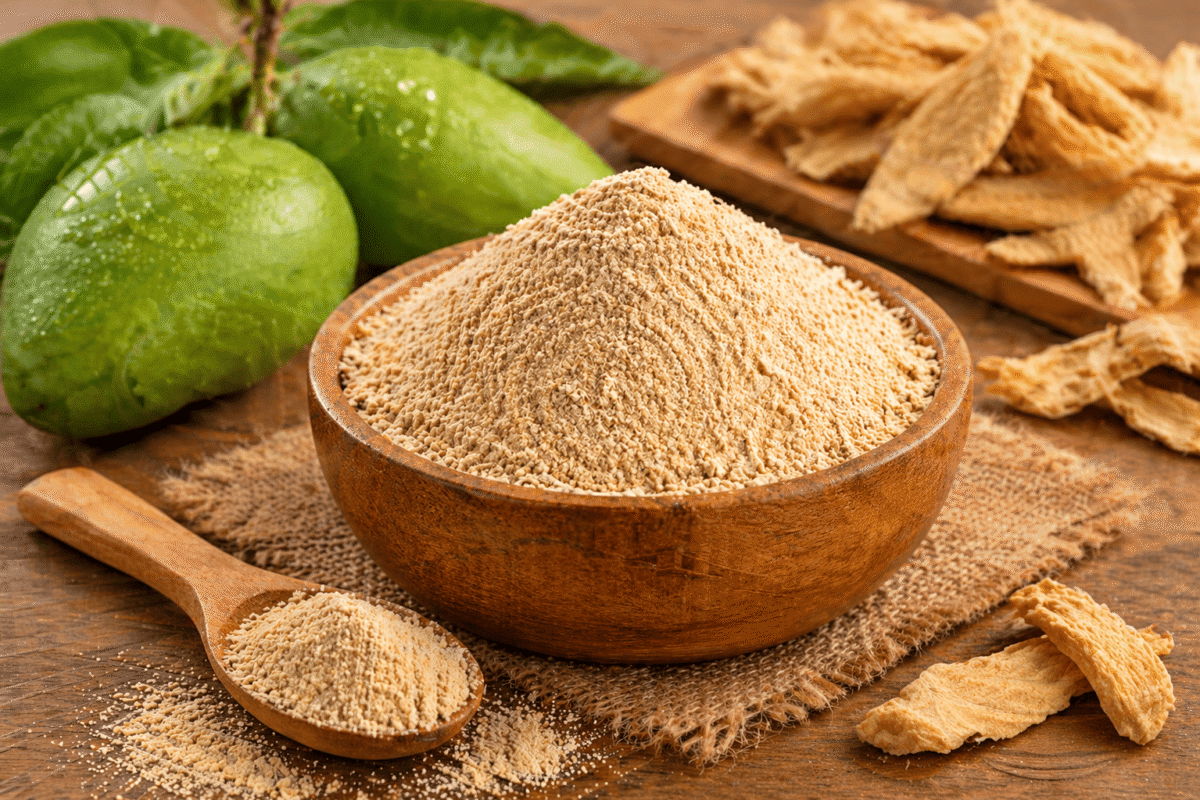
mango

How Global Dry Mango Powder Prices Are Determined and Updated in Export Markets

Introduction

The pricing of dry mango powder (amchur) in international markets is not fixed. It continuously changes based on multiple global and local factors such as raw material availability, currency exchange rates, and supply chain dynamics.

For exporters and importers, understanding how prices are determined helps in better negotiation, contract planning, and long-term profitability. Unlike simple commodities, dry mango powder pricing involves both agricultural and industrial cost components.

Core Factors That Determine Export Prices

Global prices of dry mango powder are influenced by three major pillars:

  • Raw material cost (mango sourcing)
  • Currency exchange fluctuations
  • Supply chain and logistics costs

These factors together create the final FOB (Free on Board) or CIF (Cost, Insurance, Freight) export price.

Raw Material Cost: The Primary Price Driver

Mango Harvest Impact

The cost of raw mangoes directly affects powder pricing.

  • High mango production → Lower prices
  • Low harvest or crop damage → Higher prices

Seasonal variations in mango supply can cause 10-30% price fluctuations annually.

Quality of Raw Mango

Premium varieties used for export-grade powder are more expensive.

Factors include:

  • Variety type
  • Ripeness level
  • Pulp quality
  • Fiber content

Higher-quality mangoes produce better powder, increasing overall cost.

Processing and Production Costs

After sourcing raw mangoes, processing adds another layer to pricing.

Key Cost Components

  • Washing and peeling
  • Slicing and drying (sun-dried or dehydrated)
  • Grinding and sieving
  • Labor costs
  • Energy consumption

Technology Impact

Advanced dehydration systems increase cost but improve:

  • Color retention
  • Shelf life
  • Consistency

This results in higher export prices for premium-grade powder.

Currency Exchange Rate Impact

Currency fluctuations play a major role in international pricing.

How Currency Affects Export Prices

  • If local currency weakens → Export becomes cheaper for buyers
  • If local currency strengthens → Export becomes expensive

For example:

  • Pakistani Rupee (PKR) vs US Dollar (USD)
  • Indian Rupee (INR) vs Euro (EUR)

Even a 5  -10% currency shift can significantly impact contract pricing.

Pricing Strategy Based on Currency

Exporters often:

  • Quote prices in USD
  • Adjust rates monthly or quarterly
  • Add buffers to protect against volatility

Supply Chain and Logistics Costs

Global logistics heavily influence final pricing.

Key Cost Elements

  • Inland transportation
  • Packaging materials
  • Container freight charges
  • Port handling fees
  • Insurance

Shipping Cost Fluctuations

Freight rates can vary due to:

  • Fuel prices
  • Global trade disruptions
  • Container shortages

During high-demand periods, logistics costs can increase by 20  -50%, directly affecting export prices.

Demand and Supply Dynamics

Market demand also plays a crucial role in price updates.

High Demand Periods

  • Ramadan season (Middle East)
  • Winter food production (Europe)
  • Product launch cycles (USA)

During peak demand:

  • Prices increase due to bulk orders
  • Suppliers may prioritize long-term buyers

Low Demand Periods

  • Prices stabilize or decrease
  • Buyers negotiate better deals
  • Exporters offer discounts to maintain volume

Quality Grade and Pricing Differences

Different grades of dry mango powder have different price levels.

Premium Grade

  • Highest price
  • Used by global food brands
  • Strict quality standards

Standard Grade

  • Moderate pricing
  • Used in general food manufacturing

Industrial Grade

  • Lowest price
  • Used for bulk processing and blending

Price differences between grades can range from 15% to 40%.

Contract Types and Price Stability

Spot Pricing

  • Short-term deals
  • Prices fluctuate based on market conditions

Long-Term Contracts

  • Fixed or semi-fixed pricing
  • Protection from sudden price spikes

Many international buyers prefer 6-12 month contracts to manage risk.

Role of Export Documentation and Compliance Costs

Compliance also affects pricing.

Additional Cost Factors

  • Certification fees (HACCP, ISO)
  • Lab testing charges
  • Export documentation
  • Quality inspections

These costs are included in final export pricing, especially for premium markets like the EU and USA.

How Prices Are Updated in Export Markets

Export prices are not static; they are reviewed regularly.

Common Update Cycles

  • Monthly price revisions
  • Quarterly contract adjustments
  • Seasonal pricing updates

Factors Triggering Price Changes

  • New mango harvest season
  • Currency fluctuations
  • Freight rate changes
  • Demand spikes

Exporters communicate updated prices to buyers through:

  • Proforma invoices
  • Contract amendments
  • Market updates

Typical Price Structure Example

A simplified export price structure includes:

  • Raw mango cost: 40  -50%
  • Processing cost: 20  -25%
  • Packaging: 5  -10%
  • Logistics: 15  -25%
  • Margin: 5  -15%

This structure varies depending on market conditions and product grade.

Common Pricing Mistakes Exporters Make

  1. Ignoring Currency Risk

Leads to profit loss in long-term contracts.

  1. Underestimating Logistics Costs

Freight fluctuations can reduce margins significantly.

  1. Inconsistent Pricing Strategy

Frequent unexplained price changes reduce buyer trust.

  1. Overpricing Without Value Justification

Buyers compare global suppliers before finalizing deals.

How Exporters Can Optimize Pricing Strategy

To stay competitive, exporters should:

  • Monitor raw material trends closely
  • Track currency movements regularly
  • Build strong logistics partnerships
  • Offer flexible pricing models
  • Maintain transparency with buyers

A data-driven pricing approach increases both profitability and long-term client retention.

Conclusion

Global dry mango powder pricing is influenced by a combination of agricultural, financial, and logistical factors. Raw material cost, currency exchange rates, and supply chain dynamics are the key drivers behind price fluctuations.

For exporters, success depends on understanding these variables and adapting pricing strategies accordingly. Companies that manage costs effectively and communicate transparently with buyers are more likely to succeed in competitive international markets.

FAQs

  1. What is the main factor affecting dry mango powder prices?

Raw mango cost is the biggest factor influencing overall pricing.

  1. How do currency rates impact export pricing?

Currency fluctuations can increase or decrease export competitiveness globally.

  1. Why do prices change during the year?

Due to seasonal mango supply, demand cycles, and logistics cost variations.

  1. Which grade has the highest price?

Premium export-grade dry mango powder has the highest price.

  1. How often are export prices updated?

Typically monthly or quarterly depending on market conditions.

  1. Do logistics costs significantly affect pricing?

Yes, especially during global shipping disruptions or peak seasons.

  1. How can exporters manage price fluctuations?

By using long term contracts, monitoring costs, and adjusting pricing strategies regularly.

Dry mango blog (4)

Why Middle East and GCC Buyers Prefer Specific Grades of Dry Mango Powder from Pakistan

Introduction

The Middle East and GCC (Gulf Cooperation Council) markets  such as UAE, Saudi Arabia, Qatar, Oman, and Kuwait  are among the strongest importers of dry mango powder (amchur) from Pakistan. These markets have a deep demand for authentic souring agents used in traditional cuisine, spice blends, and processed foods.

However, not all grades of dry mango powder are accepted equally. Buyers in these regions follow strict grading standards, usage-based preferences, and quality expectations that directly influence purchasing decisions.

Understanding these preferences helps exporters position their products more effectively in high-value Gulf markets.

Understanding GCC Market Demand for Dry Mango Powder

Middle Eastern cuisine uses dry mango powder primarily as:

  • A souring agent in spice blends
  • A flavor enhancer in meat marinades
  • An ingredient in ready-to-eat meals
  • A component in snack seasoning

Because of this wide usage, buyers require consistent, food-safe, and application-specific grades rather than generic powder.

Quality Grading System Used by GCC Buyers

Buyers in the GCC region classify dry mango powder into different grades based on purity, color, and processing quality.

Premium Grade (Export Grade A)

This is the highest quality preferred by large distributors and food manufacturers.

Key characteristics:

  • Bright yellow to light golden color
  • Fine, uniform particle size
  • Strong natural aroma
  • Low acidity variation
  • Minimal fiber content

Used in:

  • Premium spice blends
  • Branded food products
  • Gourmet seasoning mixes

Standard Grade (Grade B)

This grade is widely used in mid-range food manufacturing.

Key characteristics:

  • Slightly darker color
  • Medium texture
  • Balanced sourness
  • Slight variation in aroma

Used in:

  • Local food brands
  • Bulk seasoning production
  • Restaurant supply chains

Industrial Grade (Grade C)

This is the lowest commercial grade, mainly for mass production.

Key characteristics:

  • Darker color
  • Coarser texture
  • Higher fiber content
  • Strong but less refined aroma

Used in:

  • Large-scale processed foods
  • Cost-sensitive manufacturing
  • Bulk seasoning mixes

Why GCC Buyers Are Highly Quality-Sensitive

GCC buyers are extremely strict due to three main reasons:

  1. Premium Food Market Positioning

Countries like UAE and Saudi Arabia import high-quality food ingredients for:

  • Luxury hospitality sector
  • High-end supermarkets
  • International restaurant chains
  1. Diverse Consumer Base

The region includes:

  • Local Arab cuisine users
  • South Asian expatriates
  • European and Asian food industries

This requires consistent quality across multiple applications.

  1. Strong Import Regulations

GCC countries enforce:

  • Strict food safety inspections
  • Batch testing at ports
  • Certification verification before clearance

Preferred Quality Standards for Pakistani Dry Mango Powder

Pakistan is a major supplier of mango-based products due to its strong mango production base. GCC buyers specifically expect:

Physical Quality Standards

  • Moisture content below 10%
  • Uniform yellowish color
  • No foreign particles
  • Fine grinding consistency

Sensory Standards

  • Natural sour mango aroma
  • No burnt or fermented smell
  • Balanced acidity level

Safety Standards

  • HACCP compliance
  • Microbial safety certification
  • Hygienic processing conditions

Usage-Based Preferences in GCC Markets

Different sectors in GCC countries prefer different grades:

Food Manufacturing Industry

  • Prefers premium and standard grades
  • Focus on consistency and bulk stability

Hospitality Sector (Hotels & Restaurants)

  • Demands premium grade only
  • Focus on taste purity and aroma

Retail & Supermarkets

  • Requires branded, high-quality packaged powder
  • Focus on appearance and shelf appeal

Spice Blending Companies

  • Mix of standard and industrial grades
  • Focus on cost efficiency and blending stability

Why Pakistani Dry Mango Powder is Highly Preferred

Pakistan is a key supplier due to several competitive advantages:

  1. Raw Mango Availability

High-quality mango varieties allow strong natural flavor development.

  1. Traditional Processing Expertise

Established dehydration and grinding techniques ensure authentic taste.

  1. Competitive Pricing

Pakistan offers cost-effective production compared to many global suppliers.

  1. Export Experience

Well-developed export channels to UAE, Saudi Arabia, and Oman ensure smoother logistics.

Common Buyer Expectations from Suppliers

GCC importers expect suppliers to deliver:

  • Consistent grade separation
  • Reliable shipment schedules
  • Lab-tested quality reports
  • Strong packaging standards
  • Clear labeling and traceability

Packaging Preferences in GCC Market

Packaging plays a major role in buying decisions:

Preferred formats:

  • 25 kg food-grade bags for bulk buyers
  • 500g  -1kg retail packs for supermarkets
  • Vacuum-sealed or moisture-proof packaging

Important requirements:

  • Arabic + English labeling
  • Batch and expiry details
  • Hygienic sealing standards

Common Mistakes Exporters Make

  1. Mixing Grades in One Shipment

This leads to immediate rejection by quality inspectors.

  1. Inconsistent Color or Texture

Even slight variation affects buyer trust.

  1. Weak Documentation

Missing certificates delay customs clearance.

  1. Poor Packaging Quality

Moisture damage is a common complaint in humid GCC climates.

Conclusion

Middle East and GCC buyers prefer specific grades of dry mango powder based on strict quality standards, usage needs, and regulatory requirements. Premium-grade consistency, proper certification, and reliable supply chains are the key factors that determine success in these markets.

For Pakistani exporters, aligning production with GCC expectations can unlock long-term contracts in one of the world’s most profitable food import regions.

FAQs

  1. Why do GCC buyers prefer specific grades of dry mango powder?

Because different food applications require different levels of purity, texture, and aroma.

  1. What is the most demanded grade in GCC markets?

Premium export-grade (Grade A) is most demanded for hotels and food brands.

  1. Is Pakistani dry mango powder popular in the Middle East?

Yes, due to strong flavor profile, affordability, and reliable supply.

  1. What certifications are required for GCC exports?

HACCP, Halal certification, and food safety compliance are commonly required.

  1. Can industrial-grade powder be exported to GCC?

Yes, but mainly for large-scale food manufacturing, not retail use.

  1. What is the biggest rejection reason in GCC imports?

Inconsistent quality and improper grade mixing are the top reasons.

  1. How important is packaging for GCC buyers?

Very important, especially moisture-proof and climate-resistant packaging. 
Dry mango blog (12)

What Global Food Brands and Distributors Expect from Dry Mango Powder Suppliers

Introduction

Global food brands, supermarket chains, and large distributors have strict expectations when sourcing dry mango powder (amchur powder). Unlike local buyers, international companies operate under regulated food systems where even minor deviations in quality or compliance can lead to rejected shipments or contract termination.

For suppliers, understanding these expectations is essential to enter and sustain in export markets such as the USA, UK, EU, and Middle East.

Core Expectations of Global Buyers

International food companies evaluate suppliers on four key pillars:

  • Compliance with food safety regulations
  • Product consistency across batches
  • Valid certifications and documentation
  • Stable supply chain performance

These four factors determine whether a supplier becomes a long-term partner or remains a one-time vendor.

Compliance: The First Gate of Approval

Compliance is the most critical requirement for global food brands.

Food Safety Regulations

Importers require suppliers to meet international standards such as:

  • FDA (United States)
  • EU Food Safety Regulations
  • UK Food Standards Agency rules

Hygiene and Processing Standards

Factories must follow:

  • HACCP systems (Hazard Analysis Critical Control Point)
  • GMP (Good Manufacturing Practices)
  • Hygienic drying and grinding processes

Traceability Requirements

Buyers demand full traceability:

  • Farm origin of mangoes
  • Processing batch records
  • Storage and packaging history

Without compliance, even competitive pricing is irrelevant.

Consistency: The Most Critical Quality Factor

Global brands prioritize consistency over price.

Why Consistency Matters

A food brand cannot risk flavor variation in:

  • Spice blends
  • Sauces
  • Ready meals
  • Snack coatings

Even a 5-10% variation in acidity or color can affect final product taste.

Key Consistency Parameters

Importers monitor:

  • Color uniformity (natural golden-brown shade)
  • Moisture level (typically below 10%)
  • Particle size uniformity
  • Aroma stability

Batch Control Systems

Leading suppliers implement:

  • Standard operating procedures (SOPs)
  • Lab testing for every batch
  • Controlled drying temperatures

Certifications: Proof of Trust and Safety

Certifications act as trust signals in international trade.

Mandatory Certifications for Export Markets

Most global buyers require:

  • HACCP Certification
  • ISO 22000 Food Safety Management
  • FSSAI (for Indian subcontinent suppliers)
  • Organic Certification (if applicable)

Additional Buyer-Specific Certifications

Depending on market:

  • Kosher certification (USA, EU)
  • Halal certification (Middle East)
  • Non-GMO verification

Why Certifications Matter

Certified suppliers:

  • Reduce buyer risk
  • Speed up approval processes
  • Improve chances of long-term contracts

In many cases, certified suppliers are preferred even at a 5-15% higher price point.

Supply Stability: Ensuring Continuous Availability

Global food brands operate on fixed production schedules.

Importance of Supply Reliability

A delay in raw material can disrupt:

  • Factory production lines
  • Retail supply chains
  • Seasonal product launches

Key Stability Expectations

Buyers expect suppliers to guarantee:

  • Year-round availability
  • Backup stock capacity
  • Reliable harvest sourcing
  • Fast replenishment cycles

Production Planning Alignment

Large distributors often plan procurement 3-6 months in advance, so suppliers must align production capacity accordingly.

Packaging and Logistics Standards

Even high-quality products can be rejected due to poor logistics handling.

Packaging Requirements

Dry mango powder must be:

  • Moisture-proof sealed
  • Food-grade packed
  • Vacuum or nitrogen flushed (for premium buyers)
  • Clearly labeled with batch codes

Shipping Standards

Importers expect:

  • On-time delivery performance above 95%
  • Proper export documentation
  • Temperature and humidity control during transit

Shelf Life Requirement

Most buyers demand:

  • 12  -24 months shelf life minimum
  • Stable quality during storage and shipping

Quality Benchmarks Used by Importers

Global buyers evaluate dry mango powder using strict measurable KPIs:

Physical Standards

  • Moisture: ≤10%
  • Color: Natural yellow-brown
  • Free from visible impurities

Microbiological Standards

  • E. coli: Absent
  • Salmonella: Absent
  • Total plate count: within safe limits

Sensory Standards

  • Balanced sourness
  • Natural mango aroma
  • No burnt or off-flavor notes

Procurement KPIs Used by Global Brands

Large food companies track supplier performance using KPIs such as:

  • On-time delivery rate (target: 95%+)
  • Defect rate (target: <2%)
  • Complaint ratio per shipment
  • Price stability index
  • Certification compliance score

Suppliers who consistently meet KPIs are prioritized for repeat contracts.

Common Reasons Suppliers Fail International Expectations

  1. Inconsistent Product Quality

Batch variation leads to immediate rejection.

  1. Missing or Expired Certifications

Even small documentation gaps can delay imports.

  1. Weak Supply Chain Planning

Inability to meet seasonal demand reduces trust.

  1. Poor Communication

Delayed responses affect procurement timelines.

  1. Packaging Failures

Moisture damage during transit is a major issue in humid markets.

How Suppliers Can Meet Global Expectations

To succeed in international markets, suppliers must:

  • Implement strict quality control systems
  • Invest in certification and audits
  • Maintain standardized production processes
  • Build inventory buffers for large orders
  • Strengthen logistics partnerships
  • Ensure transparent communication with buyers

Suppliers who align with global expectations can secure long-term contracts with multinational food companies.

Conclusion

Global food brands and distributors have very high expectations when sourcing dry mango powder. Compliance, consistency, certification, and supply stability form the foundation of every procurement decision.

Suppliers who meet these requirements are not just vendors, they become strategic partners in global food supply chains. Success in this industry depends on reliability, documentation, and the ability to deliver consistent quality at scale.

FAQs

  1. Why is compliance important for dry mango powder suppliers?

Because international markets require strict food safety standards like FDA, EU, and HACCP compliance.

  1. What is the most important factor for global buyers?

Consistency in quality across all production batches is the top priority.

  1. Which certifications are required for export?

HACCP, ISO 22000, and sometimes Halal, Kosher, or Organic certifications depending on the market.

  1. How do importers test product quality?

They check moisture, microbial safety, color, aroma, and particle uniformity.

  1. Why do suppliers fail in global markets?

Main reasons include inconsistent quality, weak logistics, and missing certifications.

  1. What is the ideal shelf life for dry mango powder?

Typically 12 to 24 months under proper storage conditions.

  1. How important is supply stability?

Very important  buyers require continuous, predictable supply for production planning.

Dry mango blog (14)

Seasonal Demand Cycles for Dry Mango Powder in Europe, USA, and Middle East Markets

Meta Title:
Dry Mango Powder Demand Cycles

Meta Description:

Explore seasonal demand cycles for dry mango powder in Europe, USA & Middle East markets.

Seasonal Demand Cycles for Dry Mango Powder in Europe, USA, and Middle East Markets

Introduction

Global demand for dry mango powder (amchur) is not constant throughout the year. Instead, it follows clear seasonal cycles driven by food production planning, consumer trends, and industrial procurement schedules.

Markets like Europe, the USA, and the Middle East each have different demand peaks based on climate, food consumption habits, and manufacturing cycles. For exporters, understanding these cycles is critical for production planning, pricing strategy, and inventory management.

Why Seasonal Demand Matters in Global Trade

Dry mango powder is widely used in:

  • Spice blends
  • Processed foods
  • Sauces and marinades
  • Snack seasonings
  • Ethnic food manufacturing

Because these industries operate on fixed production schedules, demand for raw ingredients like amchur fluctuates throughout the year.

Key reasons seasonality matters:

  • Production planning in factories
  • Retail seasonal product launches
  • Holiday-driven food consumption
  • Supply chain inventory cycles

Europe: Stable but Seasonal Demand Peaks

Europe has one of the most structured import systems for food ingredients.

Peak Demand Periods

  • January to March (post-holiday production restart)
  • September to November (holiday product preparation phase)

Why Demand Increases

  • Food manufacturers restock after holiday season
  • Ethnic food consumption rises in winter
  • Spice blend production increases for packaged foods

Industrial Buying Pattern

European buyers prefer:

  • Long-term contracts (6-12 months)
  • Stable pricing agreements
  • Consistent quality batches

Demand in Europe is less volatile but highly regulated.

USA: High Volume and Product Innovation Driven Demand

The United States is one of the fastest-growing markets for spice ingredients.

Peak Demand Periods

  • February to May (new product development season)
  • August to October (holiday production preparation)

Key Demand Drivers

  • Growth in ethnic cuisine (Indian, Asian, fusion foods)
  • Expansion of spice brands and seasoning mixes
  • New product launches by food companies

Industrial Demand Behavior

US importers focus on:

  • Bulk procurement for food manufacturing
  • Private label seasoning production
  • Clean-label ingredient sourcing

Demand spikes when new food products are launched.

Middle East: Continuous Demand with Ramadan Peak

The Middle East and GCC region shows the most seasonal and cultural demand fluctuations.

Major Peak Period: Ramadan Season

  • Demand increases 2-3 months before Ramadan
  • Food imports rise significantly for festive cooking

Other Demand Peaks

  • Hajj season preparation
  • Winter hospitality season (November  -February)

Why Demand Increases

  • High food consumption during religious festivals
  • Increased hospitality and catering demand
  • Large-scale food imports for population diversity

Buying Behavior

Middle Eastern buyers prefer:

  • Fast-moving supply chains
  • Flexible order quantities
  • High-quality and aromatic grades

Global Industrial Demand Planning Cycle

Large food manufacturers do not buy randomly. They follow structured procurement planning cycles.

  1. Forecasting Phase

Companies analyze:

  • Past year consumption
  • Seasonal product launches
  • Market trends
  1. Procurement Planning (3-6 Months Before Demand)

Importers:

  • Lock supplier contracts
  • Secure pricing agreements
  • Plan shipping schedules
  1. Bulk Purchasing Phase

Large orders are placed:

  • Before peak seasons
  • To avoid price fluctuations
  • To ensure stock availability
  1. Stock Utilization Phase

Products are consumed during peak demand periods without supply disruptions.

Seasonal Price Impact on Dry Mango Powder

Seasonality also affects pricing:

High Demand Season

  • Prices increase due to bulk buying pressure
  • Shipping rates may rise
  • Supply tightness occurs

Low Demand Season

  • Prices stabilize or decrease
  • Suppliers offer discounts for long-term contracts
  • Inventory clearance sales occur

Exporter Strategy for Seasonal Markets

To succeed in global markets, exporters must align with seasonal cycles.

Production Planning

  • Increase production before peak demand months
  • Maintain buffer stock for sudden orders

Market Timing Strategy

  • Europe: Prepare for Q1 and Q4 demand cycles
  • USA: Focus on Q2 and Q3 procurement cycles
  • Middle East: Prioritize pre-Ramadan shipments

Pricing Strategy

  • Offer fixed contracts during off-season
  • Adjust pricing during peak demand

Logistics Planning

  • Secure shipping space early
  • Avoid delays during high-demand months

Common Mistakes Exporters Make

  1. Ignoring Seasonal Forecasts

Leads to missed opportunities during peak demand.

  1. Poor Inventory Management

Results in stock shortages or overproduction.

  1. Delayed Shipping Arrangements

Causes missed delivery windows in peak seasons.

  1. Lack of Market-Specific Planning

Each region has different demand cycles, which exporters often overlook.

Conclusion

Seasonal demand cycles play a critical role in the global trade of dry mango powder. Europe shows structured seasonal restocking, the USA follows product innovation-driven cycles, and the Middle East experiences strong cultural demand peaks.

For exporters, success depends on aligning production, pricing, and logistics with these cycles. Companies that understand and plan around seasonal demand gain a strong competitive advantage in global spice markets.

FAQs

  1. Is dry mango powder demand seasonal?

Yes, demand varies across regions based on food production and cultural events.

  1. Which market has the highest seasonal spikes?

The Middle East shows the strongest seasonal spikes, especially during Ramadan.

  1. When is demand highest in the USA?

Between February-May and August-October due to product development cycles.

  1. Why is Europe’s demand more stable?

Because of structured procurement systems and long-term contracts.

  1. How do importers plan seasonal purchases?

They forecast demand 3  -6 months in advance and secure bulk contracts.

  1. Does seasonality affect pricing?

Yes, prices increase during peak demand and stabilize in the off-season.

  1. How can exporters benefit from seasonal cycles?

By aligning production, inventory, and shipping with regional demand peaks.

Dry mango

How International Importers Make Buying Decisions for Dry Mango Powder

Introduction

Global demand for dry mango powder (amchur) has grown significantly in the food manufacturing, seasoning, and ethnic food industries. It is widely used in sauces, snacks, spice blends, and ready-to-eat meals across the USA, UK, Middle East, and Europe.

However, purchasing dry mango powder in bulk is not a simple transaction. International importers follow a structured procurement system involving multiple stakeholders, technical approvals, and strict compliance checks.

Understanding how importers make buying decisions is essential for exporters who want to win long-term contracts and scale globally.

Procurement Roles in Dry Mango Powder Buying

International food procurement is a team-based process rather than a single decision-maker model.

Procurement Manager

The procurement manager is responsible for supplier selection, price negotiation, and contract execution. They shortlist suppliers based on capability, compliance, and pricing.

Quality Assurance (QA) Team

QA ensures the product meets food safety standards such as:

  • Moisture level
  • Microbial limits
  • Color and aroma consistency
  • FSSAI, FDA, or EU compliance

Product Development Team

They evaluate dry mango powder for taste profile, acidity, and application in food formulations.

Supply Chain Manager

Responsible for logistics, lead times, packaging efficiency, and shipment reliability.

Finance Department

They control budgets, payment terms, and cost approvals.

Decision Hierarchy in Import Companies

Buying decisions are structured in layers:

  1. Influencers

These include QA teams, chefs, and product developers who test samples and give technical feedback.

  1. Evaluators

Procurement managers compare multiple suppliers based on:

  • Price per kg
  • Quality consistency
  • Certifications
  • Delivery reliability
  1. Approvers

Senior management or directors approve final contracts, especially for large-volume or long-term deals.

  1. End Users

Food manufacturers or production units who actually use the dry mango powder in production.

This hierarchy ensures that purchasing decisions are risk-free and commercially viable.

Step-by-Step Buying Decision Process

International importers follow a structured procurement cycle:

Step 1: Supplier Sourcing

Importers search through:

  • Trade fairs
  • Verified export directories
  • Previous supplier databases
  • Online B2B platforms

Step 2: Sample Evaluation

Samples are tested for:

  • Taste profile consistency
  • Particle size
  • Color (natural yellow-brown shade)
  • Shelf stability

Step 3: Technical Approval

QA teams perform lab testing for:

  • Moisture content (typically below 10%)
  • Microbial safety
  • Adulteration checks

Step 4: Pricing Negotiation

Importers compare multiple quotations. Even a $0.10/kg difference can impact large-scale contracts.

Step 5: Trial Order

Most buyers place a small initial order (500 kg   – 2 tons) to verify real shipment quality.

Step 6: Full Contract Approval

After successful trial shipment, long-term agreements are signed.

Deal Approval Process in International Trade

The final approval process often involves multiple departments:

Financial Approval

Finance teams ensure:

  • Budget alignment
  • Payment terms (LC, TT, credit terms)

Compliance Approval

Legal and compliance departments verify:

  • Export documentation
  • Food safety certifications
  • Country-specific import regulations

Risk Assessment

Importers evaluate:

  • Supplier reliability
  • Political/export risk
  • Shipping delays

Final Executive Approval

Senior executives approve only after all departments align.

In large retail chains, this approval process can take 2 to 8 weeks depending on order size.

Key Factors That Influence Buying Decisions

  1. Product Quality Consistency

Even minor variation in color or acidity can lead to rejection.

  1. Certifications

Important certifications include:

  • HACCP
  • ISO 22000
  • FDA approval
  • EU food safety compliance
  1. Pricing Structure

Importers prefer stable long-term pricing over fluctuating costs.

  1. Supply Reliability

On-time delivery is critical for production schedules.

  1. Packaging Standards

Moisture-proof, food-grade packaging ensures product longevity.

  1. Shelf Life

Dry mango powder typically requires a shelf life of 12  -24 months depending on storage conditions.

Typical Order Sizes and Timelines

  • Trial orders: 500 kg – 2 tons
  • Regular bulk orders: 5 – 25 tons per shipment
  • Large distributors: 50+ tons annually

Lead Time:

  • Production + packaging: 7-15 days
  • Shipping: 15-35 days depending on destination

Total procurement cycle: 3-8 weeks

Common Mistakes Exporters Make

  1. Inconsistent Quality

Batch variation is the most common reason for rejection.

  1. Weak Documentation

Missing certifications can delay or cancel approvals.

  1. Poor Communication

Slow response time reduces buyer confidence.

  1. Overpricing Without Justification

Importers compare global suppliers, so pricing must be competitive.

  1. Lack of Sample Standardization

Different samples vs shipment leads to trust issues.

How Exporters Can Win Importer Approval

To increase approval chances, exporters should:

  • Maintain strict quality control systems
  • Provide full technical documentation upfront
  • Offer transparent pricing structures
  • Ensure fast sampling and response times
  • Maintain consistent product batches
  • Build long-term supply reliability

Exporters from countries like Pakistan and India have strong advantages due to raw mango availability, but success depends on professional procurement alignment, not just production capability.

Conclusion

International buying decisions for dry mango powder are highly structured and multi-layered. Importers do not rely on single approvals; instead, they use a complete procurement system involving technical, financial, and executive checks.

For exporters, understanding this decision-making structure is essential to secure long-term contracts. Success depends on more than just product quality; it requires consistency, compliance, pricing strategy, and trust-building across the entire procurement chain.

FAQs

  1. Who makes the final decision to buy dry mango powder?

Senior management or procurement directors approve final purchase contracts after all departments agree.

  1. How long does the procurement process take?

Typically between 3 to 8 weeks depending on sampling, approvals, and shipping timelines.

  1. Why is sample testing important in procurement?

Because importers verify taste, safety, and consistency before placing bulk orders.

  1. What certifications are required for export approval?

Common certifications include HACCP, ISO 22000, FDA, and EU food safety compliance.

  1. What is the minimum order quantity (MOQ)?

Most importers start with 500 kg to 2 tons for trial orders.

  1. Why do importers reject suppliers?

Main reasons include inconsistent quality, missing certifications, or delayed communication.

  1. How can exporters improve approval chances?

By maintaining consistency, providing proper documentation, and ensuring reliable supply chains.