
Introduction
The pricing of dry mango powder in international markets is not fixed. It continuously changes based on multiple global and local factors such as raw material availability, currency exchange rates, and supply chain dynamics.
For exporters and importers, understanding how prices are determined helps in better negotiation, contract planning, and long-term profitability. Unlike simple commodities, dry mango powder pricing involves both agricultural and industrial cost components.
Core Factors That Determine Export Prices
Global prices of dry mango powder are influenced by three major pillars:
- Raw material cost (mango sourcing)
- Currency exchange fluctuations
- Supply chain and logistics costs
These factors together create the final FOB (Free on Board) or CIF (Cost, Insurance, Freight) export price.
Raw Material Cost: The Primary Price Driver
Mango Harvest Impact
The cost of raw mangoes directly affects powder pricing.
- High mango production → Lower prices
- Low harvest or crop damage → Higher prices
Seasonal variations in mango supply can cause 10-30% price fluctuations annually.
Quality of Raw Mango
Premium varieties used for export-grade powder are more expensive.
Factors include:
- Variety type
- Ripeness level
- Pulp quality
- Fiber content
Higher-quality mangoes produce better powder, increasing overall cost.
Processing and Production Costs
After sourcing raw mangoes, processing adds another layer to pricing.
Key Cost Components
- Washing and peeling
- Slicing and drying (sun-dried or dehydrated)
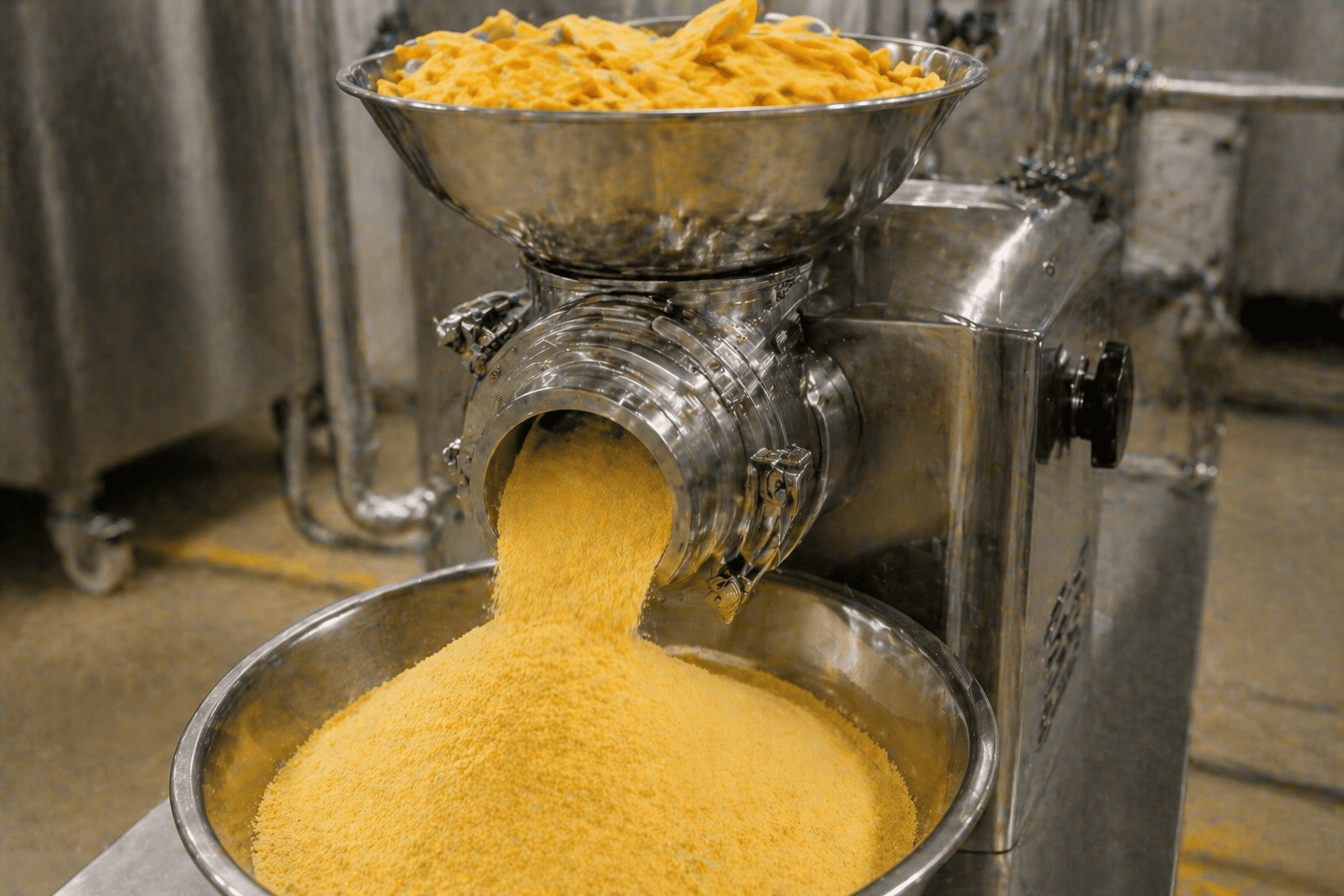
- Grinding and sieving
- Labor costs
- Energy consumption
Technology Impact
Advanced dehydration systems increase cost but improve:
- Color retention
- Shelf life
- Consistency
This results in higher export prices for premium-grade powder.
Currency Exchange Rate Impact
Currency fluctuations play a major role in international pricing.
How Currency Affects Export Prices
- If local currency weakens → Export becomes cheaper for buyers
- If local currency strengthens → Export becomes expensive
For example:
- Pakistani Rupee (PKR) vs US Dollar (USD)
- Indian Rupee (INR) vs Euro (EUR)
Even a 5 -10% currency shift can significantly impact contract pricing.
Pricing Strategy Based on Currency
Exporters often:
- Quote prices in USD
- Adjust rates monthly or quarterly
- Add buffers to protect against volatility
Supply Chain and Logistics Costs
Global logistics heavily influence final pricing.
Key Cost Elements
- Inland transportation
- Packaging materials
- Container freight charges
- Port handling fees
- Insurance
Shipping Cost Fluctuations
Freight rates can vary due to:
- Fuel prices
- Global trade disruptions
- Container shortages
During high-demand periods, logistics costs can increase by 20 -50%, directly affecting export prices.
Demand and Supply Dynamics
Market demand also plays a crucial role in price updates.
High Demand Periods
- Ramadan season (Middle East)
- Winter food production (Europe)
- Product launch cycles (USA)
During peak demand:
- Prices increase due to bulk orders
- Suppliers may prioritize long-term buyers
Low Demand Periods
- Prices stabilize or decrease
- Buyers negotiate better deals
- Exporters offer discounts to maintain volume
Quality Grade and Pricing Differences
Different grades of dry mango powder have different price levels.
Premium Grade
- Highest price
- Used by global food brands
- Strict quality standards
Standard Grade
- Moderate pricing
- Used in general food manufacturing
Industrial Grade
- Lowest price
- Used for bulk processing and blending
Price differences between grades can range from 15% to 40%.
Contract Types and Price Stability
Spot Pricing
- Short-term deals
- Prices fluctuate based on market conditions
Long-Term Contracts
- Fixed or semi-fixed pricing
- Protection from sudden price spikes
Many international buyers prefer 6-12 month contracts to manage risk.
Role of Export Documentation and Compliance Costs
Compliance also affects pricing.
Additional Cost Factors
- Certification fees (HACCP, ISO)
- Lab testing charges
- Export documentation
- Quality inspections
These costs are included in final export pricing, especially for premium markets like the EU and USA.
How Prices Are Updated in Export Markets
Export prices are not static; they are reviewed regularly.
Common Update Cycles
- Monthly price revisions
- Quarterly contract adjustments
- Seasonal pricing updates
Factors Triggering Price Changes
- New mango harvest season
- Currency fluctuations
- Freight rate changes
- Demand spikes
Exporters communicate updated prices to buyers through:
- Proforma invoices
- Contract amendments
- Market updates
Typical Price Structure Example
A simplified export price structure includes:
- Raw mango cost: 40 -50%
- Processing cost: 20 -25%
- Packaging: 5 -10%
- Logistics: 15 -25%
- Margin: 5 -15%
This structure varies depending on market conditions and product grade.
Common Pricing Mistakes Exporters Make
- Ignoring Currency Risk
Leads to profit loss in long-term contracts.
- Underestimating Logistics Costs
Freight fluctuations can reduce margins significantly.
- Inconsistent Pricing Strategy
Frequent unexplained price changes reduce buyer trust.
- Overpricing Without Value Justification
Buyers compare global suppliers before finalizing deals.
How Exporters Can Optimize Pricing Strategy
To stay competitive, exporters should:
- Monitor raw material trends closely
- Track currency movements regularly
- Build strong logistics partnerships
- Offer flexible pricing models
- Maintain transparency with buyers
A data-driven pricing approach increases both profitability and long-term client retention.
Conclusion
Global dry mango powder pricing is influenced by a combination of agricultural, financial, and logistical factors. Raw material cost, currency exchange rates, and supply chain dynamics are the key drivers behind price fluctuations.
For exporters, success depends on understanding these variables and adapting pricing strategies accordingly. Companies that manage costs effectively and communicate transparently with buyers are more likely to succeed in competitive international markets.
FAQs
- What is the main factor affecting dry mango powder prices?
Raw mango cost is the biggest factor influencing overall pricing.
- How do currency rates impact export pricing?
Currency fluctuations can increase or decrease export competitiveness globally.
- Why do prices change during the year?
Due to seasonal mango supply, demand cycles, and logistics cost variations.
- Which grade has the highest price?
Premium export-grade dry mango powder has the highest price.
- How often are export prices updated?
Typically monthly or quarterly depending on market conditions.
- Do logistics costs significantly affect pricing?
Yes, especially during global shipping disruptions or peak seasons.
- How can exporters manage price fluctuations?
By using long term contracts, monitoring costs, and adjusting pricing strategies regularly.