Introduction
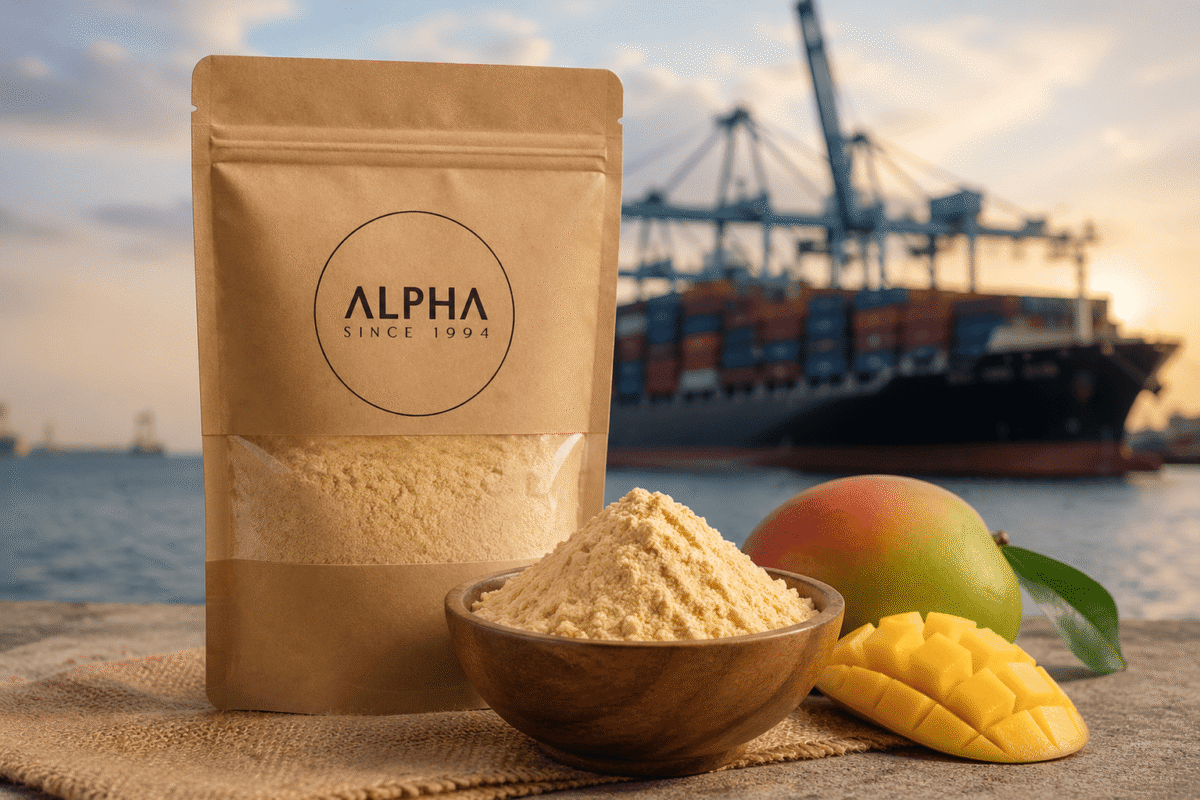
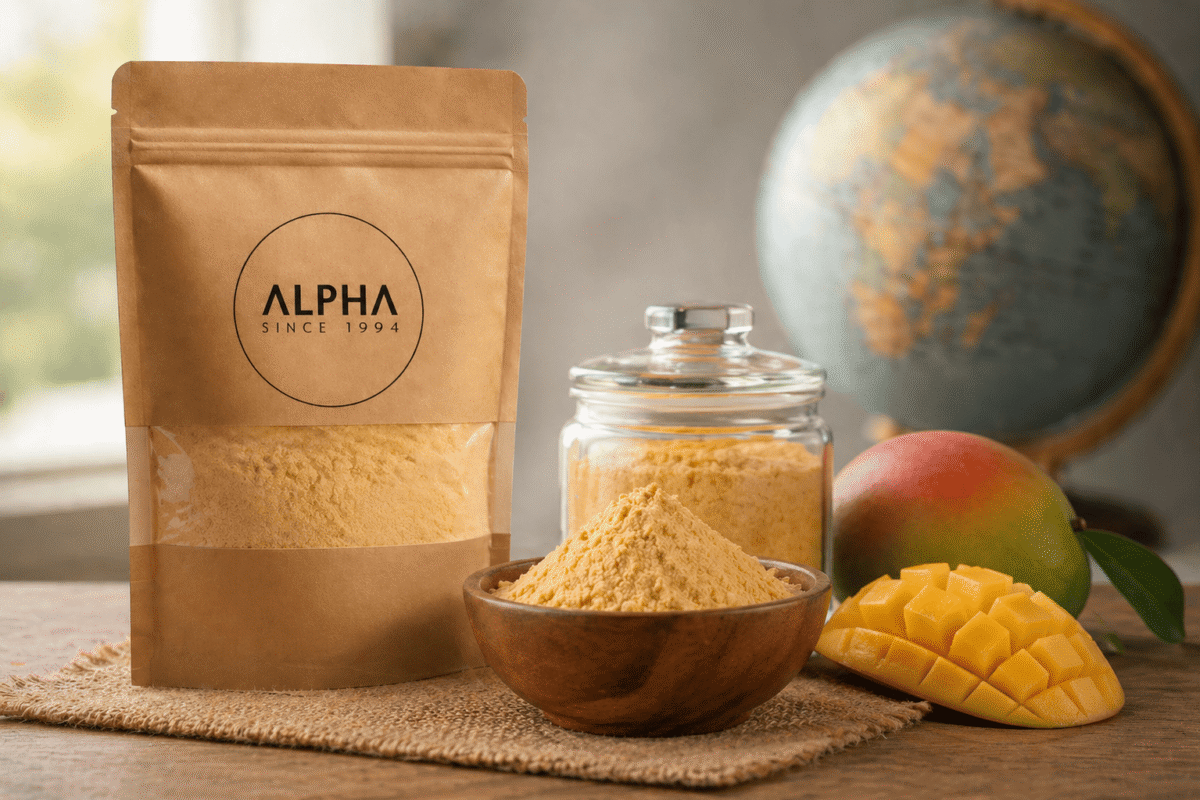
The global demand for dry mango powder is entering a strong growth phase, driven by changing consumer preferences, expansion of processed food industries, and rising demand for natural ingredients.
For Pakistan, this presents a significant opportunity to expand exports and strengthen its position in the international market. With abundant mango production and growing processing capabilities, Pakistan is well positioned to benefit from evolving global trends.
This article explores the future growth opportunities, emerging markets, and export expansion potential for dry mango powder from Pakistan.
Global Market Growth Trends
The global mango powder market is growing steadily across multiple industries.
Market Size and Growth
- Global market estimated at $535+ million in 2025
- Expected to reach $850+ million by 2032 with 6.8% CAGR
Key Growth Drivers
- Rising demand for natural food ingredients
- Expansion of processed and packaged food industry
- Increasing use in beverages, snacks, and seasonings
Industry Insight
Food and beverage applications account for over 50% of total demand globally
Why Pakistan Has Strong Export Potential
Pakistan is among the top mango producing countries globally.
Competitive Advantages
- High quality mango varieties
- Cost effective production
- Growing processing industry
Strategic Position
- Proximity to Middle East markets
- Strong trade links with Europe and the UK
With proper investment and quality control, Pakistan can become a major exporter.
Emerging Demand Trends in Global Markets
- Shift Toward Natural and Clean Label Ingredients
Consumers are moving away from artificial flavors.
Impact
- Increased demand for fruit-based powders
- Preference for natural souring agents
- Mango powder fits perfectly into this trend.
- Growth in Processed and Convenience Foods
Global food consumption is changing rapidly.
Applications
- Instant food mixes
- Snacks and seasonings
- Ready to drink beverages
- Expansion of Health and Functional Foods
Health conscious consumers prefer natural products.
Key Uses
- Nutritional supplements
- Functional beverages
- Organic food products
High-Potential Export Markets
- Middle East (GCC Countries)
Market Characteristics
- High demand for sour flavoring ingredients
- Preference for Halal certified products
Opportunity
Pakistan already has strong trade relationships with GCC markets.
- Europe
Market Drivers
- Demand for clean label and organic products
- Strict food safety regulations
Opportunity
Premium-grade, certified products can capture higher value markets.
- United States
Market Trends
- Growth in ethnic foods and global flavors
- Increasing use in processed foods
Opportunity
FDA-compliant suppliers can expand rapidly.
- Asia-Pacific Region
Market Strength
- Largest production and consumption region
- Strong demand in food manufacturing
Opportunity
Regional trade expansion and partnerships.
Product Innovation Opportunities
Future growth will not rely only on traditional products.
Value-Added Products
- Organic dry mango powder
- Spray-dried and freeze-dried variants
- Customized blends for food manufacturers
Benefits
- Higher profit margins
- Access to premium markets
Role of Technology in Market Expansion
Advanced Processing Technologies
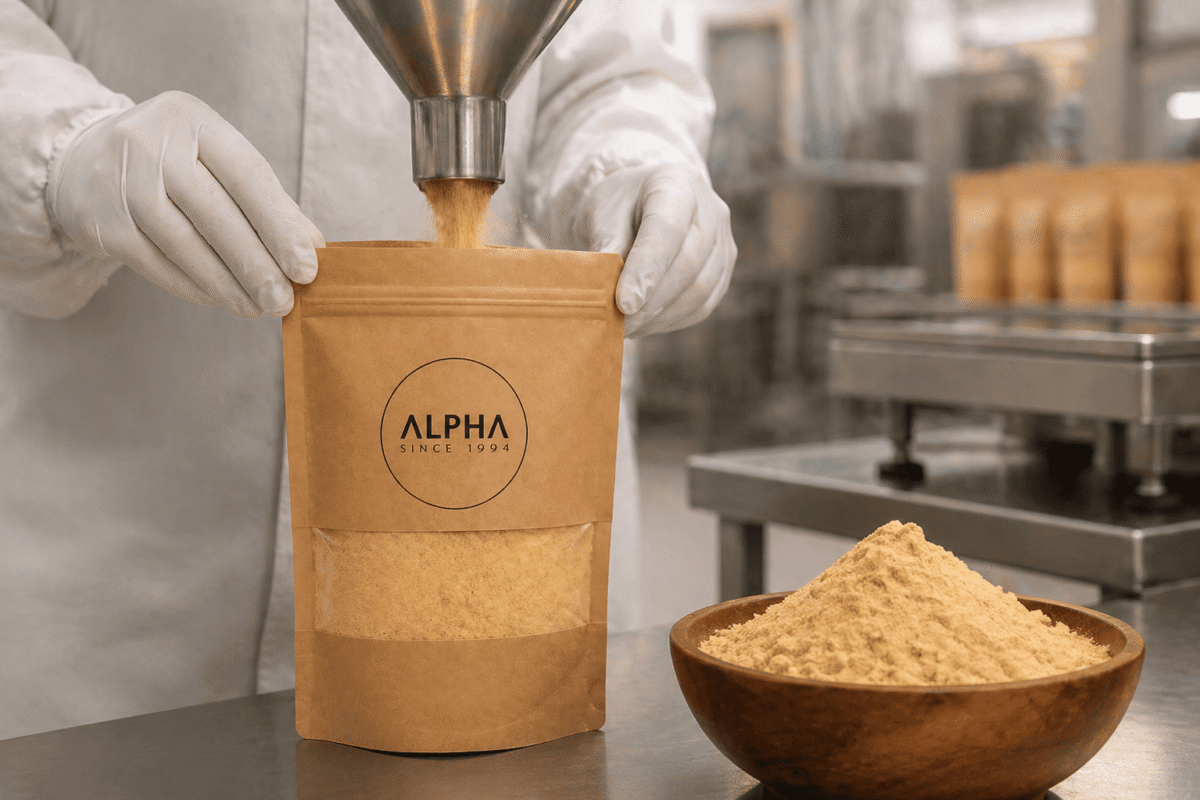
- Freeze drying for better nutrient retention
- Controlled dehydration systems
Benefits
- Improved quality consistency
- Enhanced aroma and color retention
- Technology investment is key to competing globally.
Importance of Certification and Compliance
Global buyers demand strict compliance.
Required Certifications
- HACCP
- ISO 22000
- Organic certification (for premium markets)
Impact
- Faster market entry
- Higher buyer trust
- Access to regulated markets
Supply Chain and Export Infrastructure Growth
Key Requirements
- Efficient logistics systems
- Cold and dry storage facilities
- Reliable shipping networks
Opportunity for Pakistan
Improving infrastructure can significantly boost export capacity.
Challenges That Must Be Addressed
- Quality Inconsistency
Variation in batches reduces buyer confidence.
- Limited Processing Technology
Outdated systems affect product quality.
- Compliance Gaps
Failure to meet international standards limits market access.
- Branding and Marketing Weakness
Pakistani products often lack global brand recognition.
Strategic Steps for Export Growth
To capture future opportunities, exporters should:
- Focus on Premium Quality
- Maintain consistent product standards
- Invest in quality control
- Expand Market Reach
- Target Europe, USA, and GCC markets
- Participate in international trade shows
- Develop Value Added Products
- Organic and specialty variants
- Customized solutions for buyers
- Strengthen Branding
- Build international brand identity
- Improve packaging and presentation
Role of Long-Term Contracts in Growth
Benefits
- Stable demand
- Predictable revenue
- Strong buyer relationships
Exporters who secure long term contracts can scale faster.
Future Outlook for Pakistan
The future of dry mango powder export from Pakistan is promising.
Growth Potential
- Increasing global demand
- Expansion of processed food industries
- Rising preference for natural ingredients
With proper strategy, Pakistan can:
- Increase export volume
- Enter premium markets
- Build global brand presence
Conclusion
The global dry mango powder market offers strong growth opportunities, driven by demand for natural, convenient, and functional food ingredients. Pakistan has a unique advantage due to its mango production and strategic location.
By focusing on quality, compliance, innovation, and market expansion, exporters can capture significant share in global markets. The future belongs to suppliers who combine consistency with value added offerings and strong international positioning.
FAQs
- Is the dry mango powder market growing globally?
Yes, it is growing at around 6-7% annually.
- Which regions have the highest demand?
Asia-Pacific, Europe, and North America are key markets.
- Why is demand increasing?
Due to preference for natural and clean-label ingredients.
- What opportunities exist for Pakistan?
Export expansion, value-added products, and new markets.
- What products have the highest growth potential?
Organic and premium grade mango powder.
- What challenges do exporters face?
Quality inconsistency, compliance gaps, and weak branding.
- How can exporters succeed in the future?
By focusing on quality, certifications, innovation, and global marketing.