
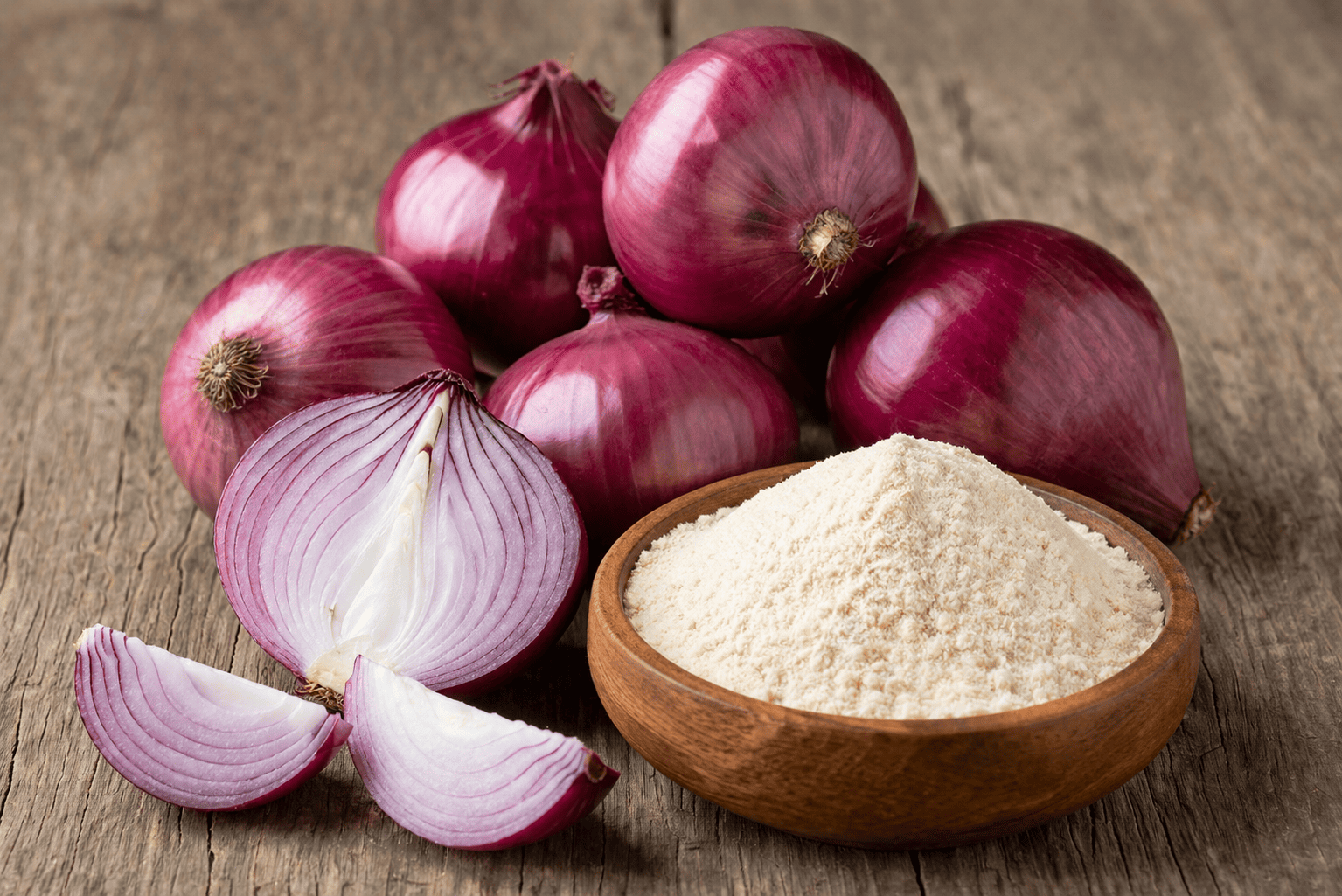
If you are working in export, one thing you quickly realize is that pricing is never stable. Dry onion powder, like many agricultural products, follows a commodity cycle. Prices go up and down throughout the year depending on supply, demand, and export conditions.
For exporters, understanding these pricing movements is very important. It helps you:
- Plan production
- Negotiate better with buyers
- Avoid losses
- Secure long-term contracts
In this article, I will explain in a simple and practical way how dry onion powder pricing changes during the year, focusing on commodity pricing behavior and export season impact.
Why Dry Onion Powder Prices Fluctuate
Dry onion powder is directly linked to raw onion supply. Since onion is an agricultural crop, its availability depends on:
- Harvest cycles
- Weather conditions
- Storage capacity
- Market demand
Because of this, prices don’t stay fixed, they move based on real market conditions.
Understanding Commodity Pricing in Spice Markets
Dry onion powder behaves like a commodity in global spice markets.
What This Means
- Prices are influenced by supply and demand
- Large buyers track market trends
- Exporters compete based on timing and availability
Role of Raw Material
The biggest factor is raw onion:
- If onion supply is high → powder prices tend to stabilize or soften
- If onion supply is low → powder prices increase
So exporters must always track the raw onion market, not just finished product demand.
Seasonal Price Movement Throughout the Year
Let’s break the year into simple phases so you can clearly understand how pricing behaves.
Post-Harvest Period: Price Stabilization Phase
After the main onion harvest, raw material availability is high.
What Happens
- Processing units operate at full capacity
- Supply of onion powder increases
- Market becomes more competitive
Market Behavior
- Buyers have more options
- Exporters compete strongly
- Prices tend to remain stable or slightly lower
Exporter Strategy
- Build inventory
- Secure contracts
- Focus on volume sales
Mid-Season: Balanced Market Phase
After the initial supply wave, the market becomes more balanced.
What Happens
- Raw onion supply starts to reduce
- Processing slows down slightly
- Inventory levels begin to matter
Market Behavior
- Prices become steady
- Less aggressive competition
- Buyers start planning future needs
Exporter Strategy
- Maintain consistent supply
- Monitor stock levels
- Avoid overcommitting
Pre-Lean Season: Price Strengthening Phase
As time passes, raw onion availability reduces further.
What Happens
- Storage onions are used
- Quality variation may increase
- Production costs rise
Market Behavior
- Prices start moving upward
- Buyers become cautious
- Long-term contracts become important
Exporter Strategy
- Protect margins
- Prioritize reliable buyers
- Avoid low-quality raw material
Lean Season: High Price & Limited Supply
This is the most sensitive period in the pricing cycle.
What Happens
- Raw onion supply is limited
- Processing becomes expensive
- Quality consistency becomes difficult
Market Behavior
- Prices are at their highest
- Buyers reduce bulk purchases
- Focus shifts to existing suppliers
Exporter Strategy
- Supply only committed clients
- Maintain quality standards
- Avoid overpromising
Export Season Impact on Pricing
Export demand also plays a major role in pricing.
High Export Demand Periods
When demand increases in markets like:
- USA
- Europe
- Middle East
It creates pressure on supply.
What Happens
- More export orders
- Increased competition for stock
- Faster inventory movement
Result
- Prices strengthen
- Negotiation becomes limited
- Buyers secure supply early
Role of Global Demand Cycles
Pricing is not only about supply it’s also about demand cycles.
Example
- During peak food production seasons
- During festive periods
- When processed food demand rises
Impact on Pricing
- Higher demand pushes prices upward
- Buyers compete for reliable suppliers
- Early procurement becomes common
Other Factors That Influence Pricing
- Weather Conditions
- Poor harvest → lower supply → higher prices
- Good harvest → higher supply → stable prices
- Storage and Inventory
- Strong storage systems stabilize pricing
- Weak storage leads to sudden fluctuations
- Processing Capacity
- More processing units → higher supply
- Limited capacity → restricted availability
- Logistics and Freight
- Delays increase costs
- Smooth logistics support stable pricing
How Buyers React to Price Changes
International buyers are experienced. They don’t wait for prices to rise.
Buyer Behavior
- Purchase early during stable periods
- Avoid buying in peak price phases
- Lock supply through contracts
What This Means for Exporters
If you approach buyers late:
- They may already have stock
- They will negotiate harder
- Opportunities reduce
Common Mistakes Exporters Make
Ignoring Market Timing
Selling without understanding price cycles leads to missed profits.
Overcommitting at Low Prices
Locking large volumes too early can reduce margins later.
Poor Inventory Planning
No stock during high demand means lost opportunities.
Compromising Quality in Lean Season
Trying to supply low-quality products damages long-term trust.
How Exporters Can Manage Pricing Smartly
Track Raw Onion Market
Always monitor:
- Harvest cycles
- Supply levels
- Market trends
Plan Inventory Strategically
- Buy raw material at the right time
- Maintain stock for peak demand
Balance Volume and Margin
- Sell more during stable periods
- Protect margins during tight supply
Build Long-Term Buyer Relationships
Repeat buyers provide:
- Stable demand
- Better planning
- Reduced risk
Simple Yearly Pricing Summary
- Post-harvest: Stable and competitive
- Mid-season: Balanced
- Pre-lean: Prices rising
- Lean season: High and tight supply
Conclusion
Dry onion powder pricing in global spice markets follows a clear pattern driven by commodity behavior and export demand cycles. Prices are not random; they are influenced by supply, season, and market timing.
For exporters, success depends on understanding these movements and planning accordingly. When you align your strategy with pricing cycles, you can:
- Improve profitability
- Reduce risk
- Strengthen buyer relationships
Because in export business, it’s not just about selling, it’s about selling at the right time with the right strategy.