
Introduction
If you’ve ever exported mangoes to the UAE or tried to you may have noticed something interesting: buyers are very particular about size and grading. It’s not random. It’s not just “preference.” There’s a clear reason behind it.
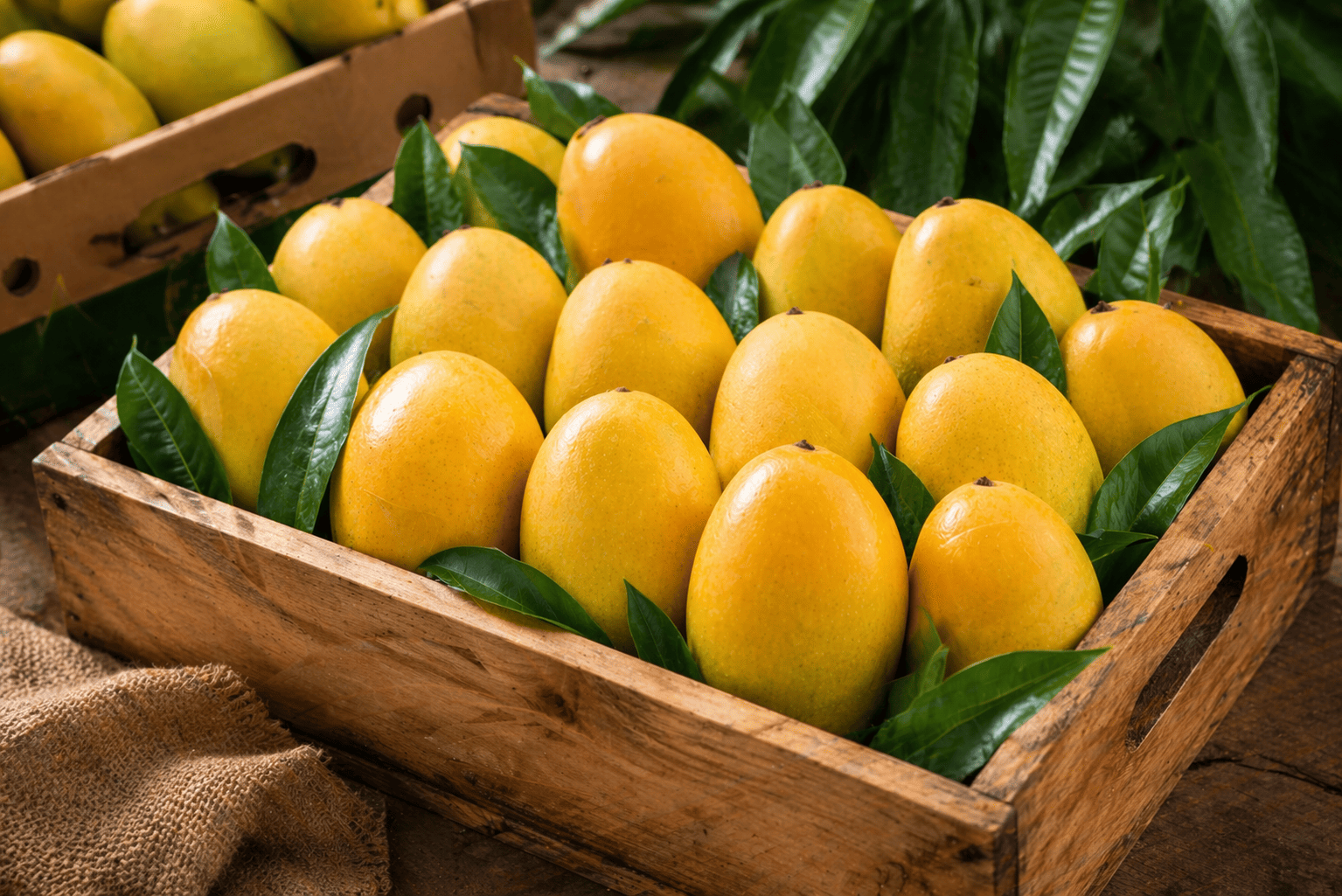
In the UAE market, mangoes are not just eaten they’re displayed, gifted, and judged visually. That’s why size, shape, and overall presentation play a huge role in buying decisions.
For exporters, especially from Pakistan, understanding these preferences can make the difference between getting repeat orders or being ignored after one shipment.
Why Size Matters So Much in the UAE Market
Visual Appeal Drives Sales
In UAE supermarkets and fruit shops, presentation is everything. Customers often choose mangoes based on how they look before even thinking about taste.
Larger mangoes tend to:
- Stand out on shelves
- Look more premium
- Attract impulse buyers
That’s why buyers often request specific size ranges rather than mixed cartons.
Gifting Culture in the UAE
The UAE has a strong culture of gifting premium food items, especially during occasions like Ramadan and Eid.
In this context:
- Bigger mangoes = higher perceived value
- Uniform size = better presentation in gift boxes
A well-packed box of large, evenly sized mangoes can sell at a significantly higher price than mixed sizes.
Premium vs Mass Market Segments
Not all buyers want the same size.
- Premium segment: Prefers large, visually attractive mangoes
- Mass market: Accepts medium sizes for affordability
Understanding which segment your buyer targets is critical before quoting prices.
Preferred Mango Sizes in the UAE
Large Size (350g – 500g)
This is the most preferred category in premium markets.
Why buyers like it:
- Strong shelf presence
- Ideal for gifting
- Higher retail margins
These mangoes are often sold in high-end stores or premium packaging.
Medium Size (250g – 350g)
This is the most versatile category.
It works well for:
- Supermarkets
- Regular household consumption
- Balanced pricing
Many importers prefer this size because it appeals to a wider audience.
Small Size (Below 250g)
Less preferred in UAE retail but still has a market.
Typically used for:
- Bulk sales
- Price-sensitive customers
However, these are rarely used for premium retail shelves.
Why Grading Is a Big Deal
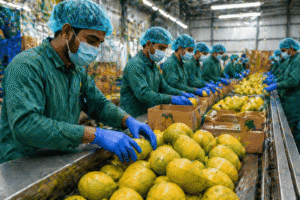
What “Grading” Actually Means
Grading refers to sorting mangoes based on:
- Size
- Weight
- Appearance
- Defects
For UAE buyers, grading is not optional it’s expected.
Uniformity Builds Trust
Imagine opening a box where every mango looks the same.
That’s exactly what buyers want.
Uniform grading:
- Improves presentation
- Makes pricing easier
- Reduces complaints
Mixed grading, on the other hand, creates confusion and dissatisfaction.
Defect Control Is Critical
UAE buyers are strict about defects.
They usually expect:
- Less than 5% damage or blemishes
- Clean skin with minimal marks
Anything beyond that can lead to price cuts or rejection.
How UAE Buyers Use Size and Grade for Pricing
Bigger Size = Higher Price (Usually)
Larger mangoes often command higher prices, especially in premium segments.
But only if:
- Quality is consistent
- Appearance is attractive
A big mango with poor skin quality won’t sell well.
Uniform Cartons Sell Faster
Retailers prefer cartons where all mangoes are:
- Same size
- Same grade
This helps them:
- Display products easily
- Maintain price consistency
- Improve customer experience
Mixed Sizes Reduce Value
If cartons contain mixed sizes, buyers often:
- Negotiate lower prices
- Use them for lower-end markets
This directly affects exporter profitability.
Variety + Size = Winning Combination
Sindhri (Best in Large Sizes)
Sindhri performs very well in the UAE when:
- Size is large
- Color is bright
Its appearance makes it ideal for premium shelves.
Chaunsa (Medium Size Works Best)
Chaunsa is loved for taste, but size matters here too.
Medium-sized Chaunsa:
- Easier to handle
- Better for regular consumption
- More widely accepted
Common Mistakes Exporters Make
- Sending mixed sizes in one carton
- Ignoring grading standards
- Overestimating demand for small sizes
- Focusing only on taste, not appearance
- Poor sorting at packing stage
These mistakes may seem small—but they directly impact buyer trust.
How to Meet UAE Buyer Expectations
Sort Mangoes Properly Before Packing
Use clear grading categories. Don’t mix sizes just to fill cartons.
Understand Your Buyer’s Market Segment
Ask your buyer:
- Premium or mass market?
- Retail or wholesale?
This helps you supply the right size and grade.
Invest in Better Packing Lines
Proper grading equipment improves consistency and efficiency.
Be Honest About Your Product
If your mangoes are mixed grade, say it upfront. Transparency builds long-term relationships.
Final Thoughts
UAE buyers don’t randomly demand specific sizes and grades there’s clear logic behind it. From shelf appeal to gifting culture and pricing strategy, every detail matters.
For exporters, success in this market depends on understanding these preferences and delivering accordingly. When you align your product with what buyers actually want, you don’t just make a sale you build a repeat business.
In the UAE mango market, it’s simple:
The better your grading and sizing, the stronger your position as a supplier.