
Introduction
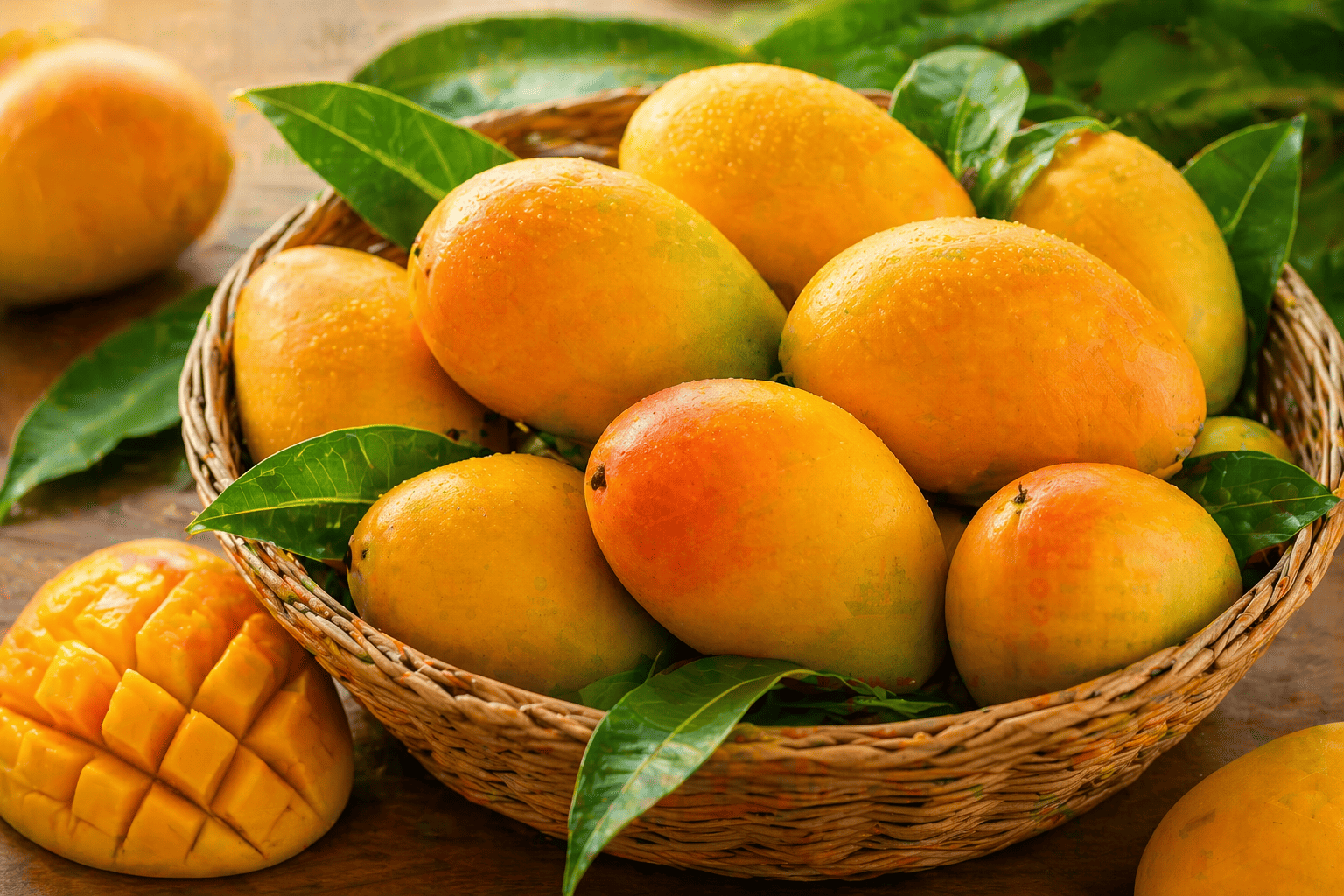
If you’ve ever tried selling mangoes internationally, you’ve probably noticed something frustrating buyers don’t say “yes” quickly. You send prices, pictures, even samples… and still, the deal takes time.
That’s because mango importers don’t make decisions casually. Behind every order, there’s a process sometimes simple, sometimes complex where multiple people check quality, compare suppliers, and calculate risks before committing.

Who Actually Decides to Buy Mangoes?
The Importer (Main Decision Maker)
At the center of every deal is the importer or trading company. This is the person or team that finally says “go ahead.”
They’re not just buying mangoes they’re taking a risk. If the fruit arrives खराब (damaged) or late, they lose money. So naturally, they’re careful.
They look at:
- Can this supplier deliver consistently?
- Is the quality really as promised?
- Will I make a margin after all costs?
Supermarket Buyers (Silent Influencers)
If mangoes are going into supermarkets, there’s another layer retail buyers.
These people care less about your story and more about:
- How the mango looks on the shelf
- Whether customers will buy it
- How long it will last
They don’t talk to exporters directly most of the time, but they strongly influence the importer’s decision.
Quality & Inspection Teams
This is where many deals quietly fail.
Even if everything looks good on paper, quality inspectors check:
- Size consistency
- Skin condition
- Ripeness level
- Chemical compliance
If something is off even slightly it can delay or cancel the order.
What Really Matters to Importers?
- Quality (Not Just “Good” Consistent)
Everyone says “our mangoes are premium.” Importers hear this every day.
What they actually want is consistency.
Not:
- 50% good + 50% average
But:
- 90 – 95% uniform quality in every box
Even a small issue can create big problems at the retail level.
- Right Variety for the Right Market
This is where many exporters make mistakes.
Different markets want different mangoes:
- UK buyers often prefer soft, super-sweet varieties
- Middle East markets like bigger, visually attractive fruit
If you offer the wrong variety, even perfect quality won’t help much.
- Price… But With Logic
Yes, price matters but not the way most people think.
Importers don’t just ask: “What’s your price?”
They think:
- After freight, duty, and losses… what’s my profit?
Sometimes they’ll choose a slightly expensive supplier if:
- Quality is reliable
- Losses are lower
- Customers are happier
Cheap mangoes that spoil quickly are actually more expensive.
- Shelf Life (This Is a Deal Breaker)
Mangoes travel far. Sometimes 5 -10 days or more.
Importers need fruit that:
- Survives the journey
- Doesn’t over-ripen too fast
- Can be sold over several days
If your mango ripens too quickly, the importer loses control and money.
- Packaging (More Important Than You Think)
A weak box can damage even the best mangoes.
Importers prefer:
- Strong cartons
- Proper ventilation
- Clean, attractive presentation
Good packaging reduces damage and increases buyer confidence.
- Trust and Past Experience
This is the hidden factor.
Many importers stick with the same suppliers for years—not because they’re the cheapest, but because they’re reliable.
If you say:
“Shipment will be ready Monday”
It must be ready Monday.
Simple things like this build or break trust.
Step-by-Step: How the Deal Actually Happens
Step 1 – Importer Checks Market Demand
Before buying anything, importers look at their market.
They ask:
- Is demand strong right now?
- What are competitors selling?
- What price will customers accept?
Step 2 – They Shortlist Suppliers
They don’t contact everyone. Usually, they choose:
- Existing suppliers
- A few new options (to compare)
Step 3 – Sample Stage (Very Important)
This is your first real test.
They check:
- Taste
- Size
- Ripening behavior
A good sample builds confidence. A bad one closes the door.
Step 4 – Negotiation Starts
Now comes pricing, terms, and conditions.
This includes:
- Price per kg
- Payment method
- Shipping type (air or sea)
This stage is not just about price it’s about clarity and trust.
Step 5 – Trial Order
Most serious buyers won’t jump into big orders immediately.
They’ll test you first.
A small shipment helps them see:
- Is quality consistent?
- Is packing strong?
- Did shipment arrive on time?
Step 6 – Final Decision
If everything goes well, they scale up.
This is where real business starts repeat orders, bigger volumes, long-term deals.
How Deals Actually Get Closed
It’s Not Just About Price
Many exporters lose deals thinking:
“My price is best, why no order?”
Because buyers are thinking long-term, not just per shipment.
Speed Matters a Lot
If you reply late, someone else gets the deal.
Importers often contact multiple suppliers at once. The one who responds clearly and quickly stands out.
Small Details Make Big Differences
Things like:
- Clear communication
- Honest quality description
- Proper documentation
These things build confidence.
Relationships Win Over Time
Once trust is built, business becomes easier.
Importers prefer fewer reliable suppliers rather than constantly changing.
Common Mistakes Exporters Make
- Overpromising quality
- Ignoring packaging
- Sending inconsistent shipments
- Delayed communication
- Not understanding market demand
Even one of these can cost you a long-term buyer.
Practical Tips to Win More Mango Orders
- Send your best quality as samples (not average)
- Be honest about your product
- Invest in strong packaging
- Understand your target market
- Respond fast and clearly
- Focus on long-term relationships, not quick profit
Conclusion
Mango buying decisions aren’t random they’re careful, layered, and based on experience.
Importers are not just buying fruit they’re managing risk, reputation, and customer expectations.
If you want to succeed in export, stop thinking like a seller and start thinking like a buyer. Once you do that, you’ll notice something important:
Deals don’t just happen they are built.