Introduction
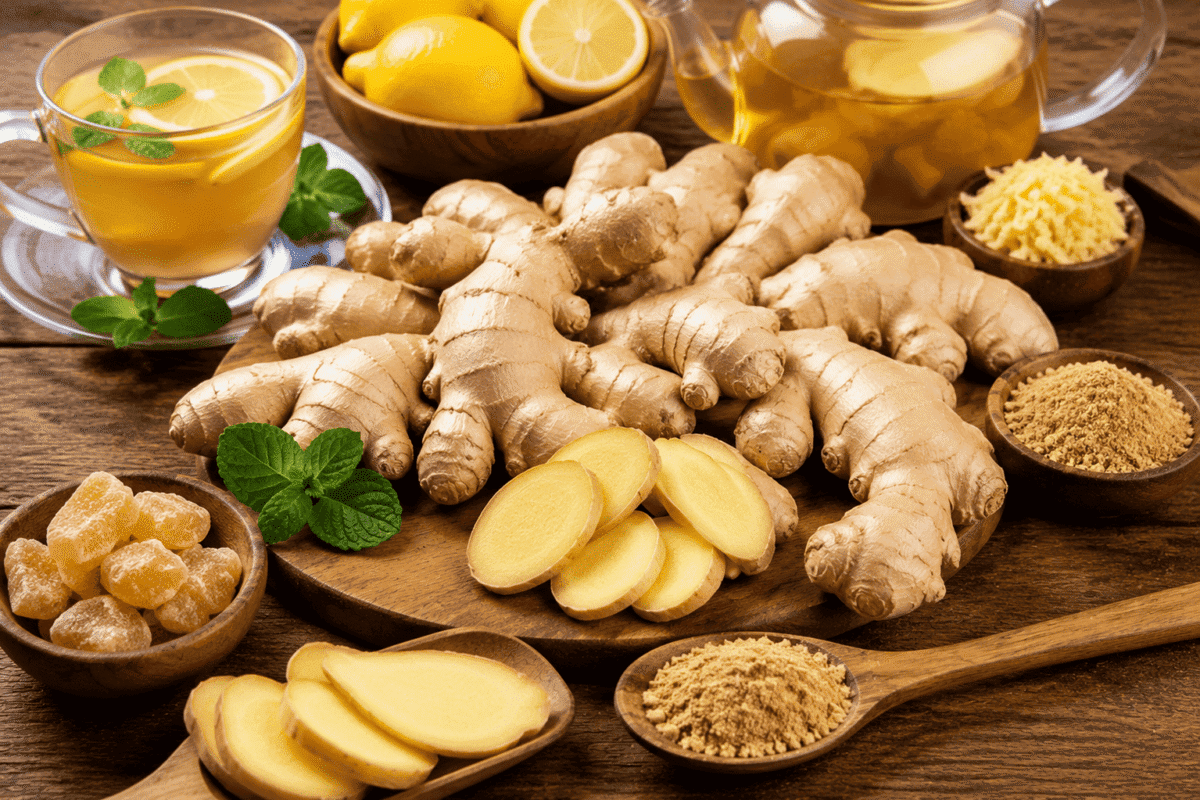
Fresh ginger has been used for over 5,000 years in kitchens and medicine cabinets around the world-and in 2026, it’s more popular than ever. Whether you’re sipping a warm, fresh ginger-lemon tea, blending a powerful fresh ginger-and-turmeric shot, or stirring fresh ginger-garlic paste into your curry, this humble root is one of nature’s most powerful superfoods.
At Alpha Organic Foods, we believe that what you eat should heal, energize, and nourish you -and fresh ginger does all 3.
What Makes Fresh Ginger So Special in 2026?
Unlike processed spices sitting on a shelf for months, fresh ginger contains active compounds like gingerol, shogaol, and zingerone at their peak potency. These compounds are responsible for the sharp, warming flavor and the incredible health benefits.
Fresh ginger vs ground ginger: Fresh ginger contains higher levels of gingerol and natural moisture, making it more bioavailable and effective for digestive health, immunity, and anti-inflammation. Ground ginger, while convenient, loses potency over time.
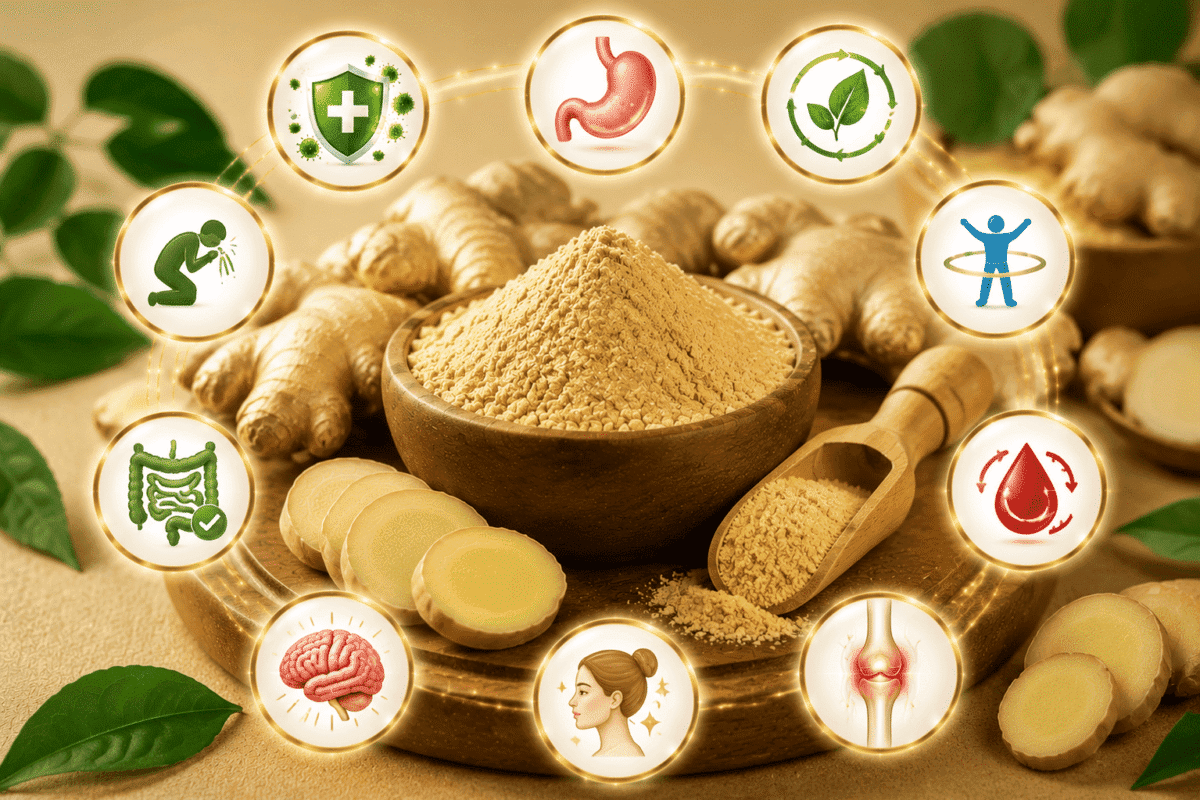
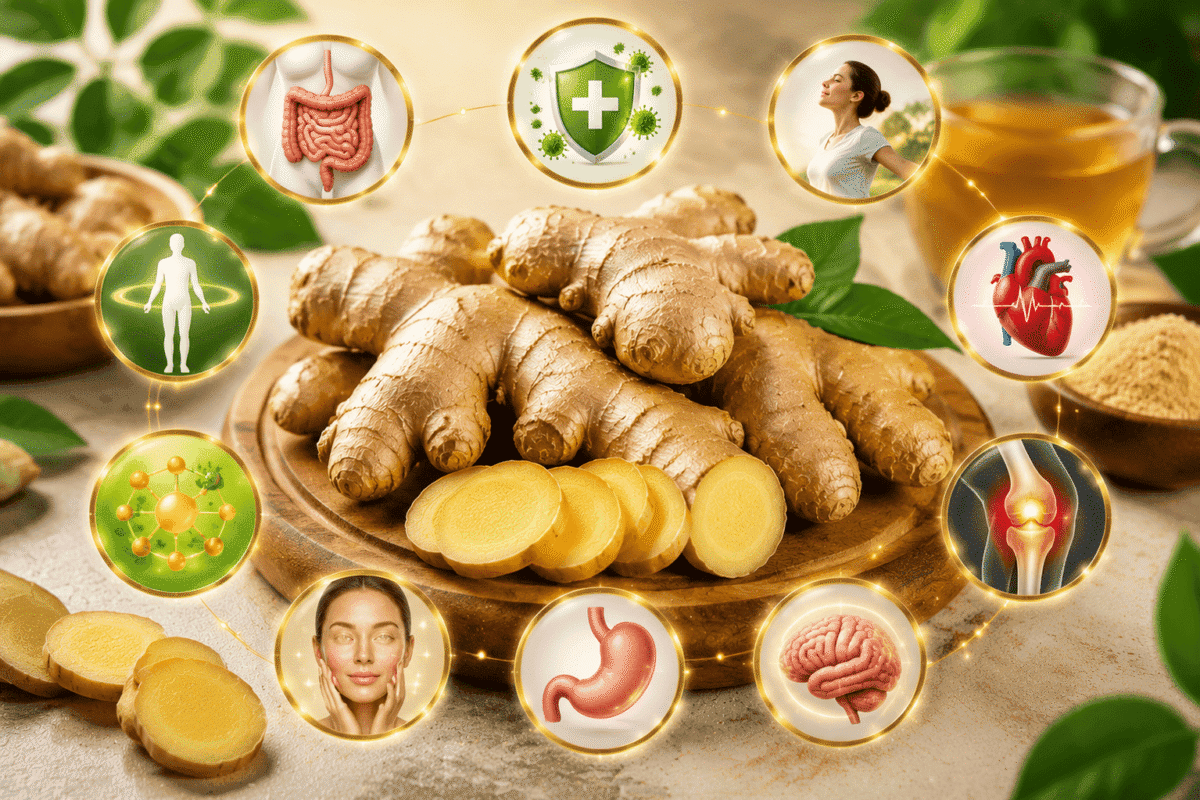
Top 10 Benefits of Fresh Ginger
- Supports Digestive Health
Fresh ginger stimulates digestive enzymes, reducing bloating, gas, and nausea. Just 1-2 grams daily can make a noticeable difference.
- Powerful Anti-Inflammatory Properties
Gingerol in fresh ginger is as effective as some anti-inflammatory medications without the side effects. It’s ideal for people with joint pain or arthritis.
- Boosts Immunity Naturally
Fresh ginger tea benefits include activating immune cells that fight off cold and flu viruses. Drink 2 cups daily during the winter months for best results.
- Regulates Blood Sugar Levels
Studies show that consuming fresh ginger regularly can improve insulin sensitivity by up to 35%, great news for those managing diabetes or blood sugar.
- Reduces Nausea and Morning Sickness
Fresh ginger drink recipes with lemon and honey have been used safely for centuries to ease nausea, especially during pregnancy.
- Supports Heart Health
Fresh ginger helps lower LDL (bad cholesterol) and improves blood circulation, reducing the risk of heart disease over time.
- Aids in Weight Management
Drinking fresh ginger juice on an empty stomach in the morning can boost your metabolism by up to 20%, helping the body burn fat more efficiently.
- Natural Pain Relief
Ginger acts as a natural painkiller, particularly effective for menstrual cramps, muscle soreness, and headaches.
- Improves Brain Function
Antioxidants in fresh ginger protect the brain against oxidative stress, improving memory, focus, and reaction time.
- Fights Bacterial and Fungal Infections
Fresh ginger contains antimicrobial properties that fight common infections from oral bacteria to skin fungal conditions.
Fresh Ginger vs Ground Ginger: Which Should You Choose?
| Feature | Fresh Ginger | Ground Ginger |
| Flavor | Bright, sharp, citrusy | Warm, earthy, mellow |
| Gingerol Content | High | Lower (converts to shogaol) |
| Best For | Teas, shots, marinades, pickling | Baking, dry spice blends |
| Shelf Life | 2–3 weeks refrigerated | 6–12 months dry |
| Nutrition | Higher bioavailability | Slightly lower |
Verdict: Use fresh ginger for health-focused preparations. Use ground ginger for baking and dry spice mixes.
Why Choose Alpha Organic Foods, Fresh Ginger?
At Alpha Organic Foods, every piece of ginger is:
- 100% organically grown: no pesticides, no chemicals
- Sourced fresh: packed at peak ripeness for maximum gingerol content
- Ethically farmed: supporting small-scale farmers and sustainable agriculture
- Delivered to your door: farm-fresh in every order
When you buy fresh ginger from us, you’re not just buying a spice. You’re investing in your health – and in a food system that values purity over profit.
Conclusion
From a simple cup of fresh ginger lemon tea in the morning to a powerful fresh ginger and turmeric shot before a workout, fresh ginger is one of the most versatile and health-boosting foods you can add to your daily routine in 2026.
Whether you’re making fresh ginger cookies for your family, blending up a fresh ginger garlic paste for dinner, or trying a new fresh ginger pickle recipe, every use brings real, measurable benefits to your body.
Ready to experience the difference? Shop 100% organic fresh ginger at alphaorganicfoods.com and start your wellness journey today.
Frequently Asked Questions (FAQs)
Q1. What are the main benefits of fresh ginger tea?
Fresh ginger tea benefits include improved digestion, reduced nausea, stronger immunity, lower inflammation, and better circulation. Drinking 2 cups daily provides the most consistent results.
Q2. How is fresh ginger different from ground ginger?
Fresh ginger contains higher levels of gingerol (the active healing compound) and has a brighter, sharper flavor. Ground ginger is more convenient but has reduced potency and a mellower taste.
Q3. Can I drink fresh ginger juice every day?
Yes. A 1-2 oz serving of fresh ginger juice daily is safe for most adults and supports metabolism, digestion, and immunity. Dilute with water or lemon juice if the taste is too strong.
Q4. What is the best fresh ginger and turmeric tea recipe?
Simmer 1-inch fresh ginger + ½ tsp turmeric in 2 cups of water for 10-15 minutes. Add a pinch of black pepper and honey. Strain and enjoy a powerful anti-inflammatory drink.
Q5. How long does fresh ginger last in the fridge?
Unpeeled fresh ginger lasts 3-4 weeks in the refrigerator. Peeled or grated ginger should be stored in an airtight container and used within 1 week.
Q6. How do I make fresh ginger garlic paste at home?
Blend equal parts fresh ginger and garlic with a little oil until smooth. Store in a glass jar in the fridge for up to 3 weeks. Use in curries, marinades, and stir-fries.
Q7. Are fresh ginger and turmeric shots effective?
Yes, fresh ginger and turmeric shots are highly effective when taken consistently. They combine anti-inflammatory, immune-boosting, and digestive benefits in a single 2-oz serving.
Q8. Can I use fresh ginger in cookies instead of ground ginger?
Absolutely. Freshly grated ginger gives cookies a more vibrant, spicy flavor. Use 3x the amount of fresh ginger compared to ground ginger in any recipe.
Q9. What is a fresh ginger pickle recipe?
A basic fresh ginger pickle includes julienned ginger soaked in lemon juice, salt, turmeric, and chili flakes. It’s a popular South Asian condiment that aids digestion.
Q10. Where can I buy fresh organic ginger online in 2026?
You can order certified organic fresh ginger directly at alphaorganicfoods.com – farm-fresh, chemical-free, and delivered to your door.