
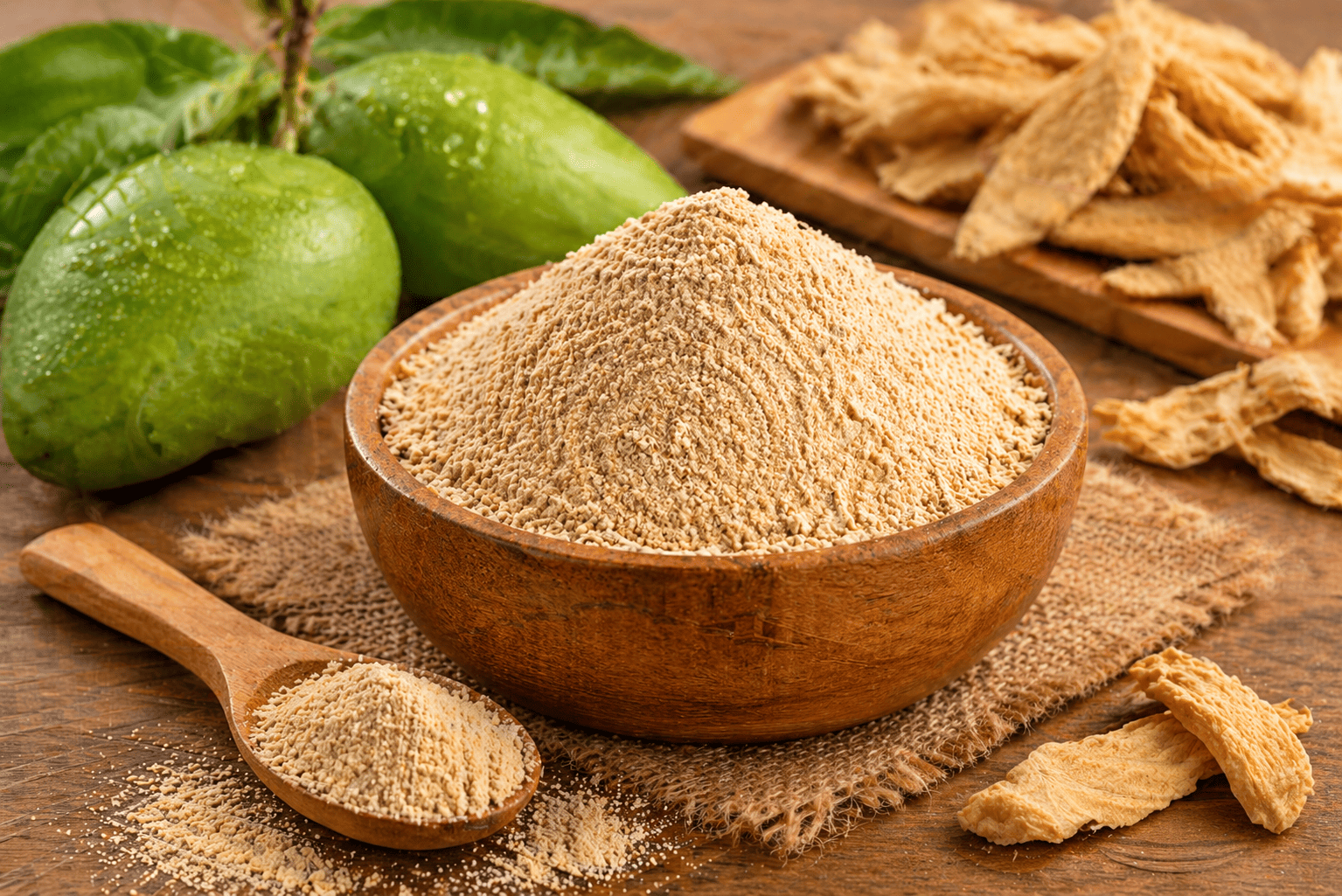
Introduction
Global demand for dry mango powder has grown significantly in the food manufacturing, seasoning, and ethnic food industries. It is widely used in sauces, snacks, spice blends, and ready-to-eat meals across the USA, UK, Middle East, and Europe.
However, purchasing dry mango powder in bulk is not a simple transaction. International importers follow a structured procurement system involving multiple stakeholders, technical approvals, and strict compliance checks.
Understanding how importers make buying decisions is essential for exporters who want to win long-term contracts and scale globally.
Procurement Roles in Dry Mango Powder Buying
International food procurement is a team-based process rather than a single decision-maker model.
Procurement Manager
The procurement manager is responsible for supplier selection, price negotiation, and contract execution. They shortlist suppliers based on capability, compliance, and pricing.
Quality Assurance (QA) Team
QA ensures the product meets food safety standards such as:
- Moisture level
- Microbial limits
- Color and aroma consistency
- FSSAI, FDA, or EU compliance
Product Development Team
They evaluate dry mango powder for taste profile, acidity, and application in food formulations.
Supply Chain Manager
Responsible for logistics, lead times, packaging efficiency, and shipment reliability.
Finance Department
They control budgets, payment terms, and cost approvals.
Decision Hierarchy in Import Companies
Buying decisions are structured in layers:
- Influencers
These include QA teams, chefs, and product developers who test samples and give technical feedback.
- Evaluators
Procurement managers compare multiple suppliers based on:
- Price per kg
- Quality consistency
- Certifications
- Delivery reliability
- Approvers
Senior management or directors approve final contracts, especially for large-volume or long-term deals.
- End Users
Food manufacturers or production units who actually use the dry mango powder in production.
This hierarchy ensures that purchasing decisions are risk-free and commercially viable.
Step-by-Step Buying Decision Process
International importers follow a structured procurement cycle:
Step 1: Supplier Sourcing
Importers search through:
- Trade fairs
- Verified export directories
- Previous supplier databases
- Online B2B platforms
Step 2: Sample Evaluation
Samples are tested for:
- Taste profile consistency
- Particle size
- Color (natural yellow-brown shade)
- Shelf stability
Step 3: Technical Approval
QA teams perform lab testing for:
- Moisture content (typically below 10%)
- Microbial safety
- Adulteration checks
Step 4: Pricing Negotiation
Importers compare multiple quotations. Even a $0.10/kg difference can impact large-scale contracts.
Step 5: Trial Order
Most buyers place a small initial order (500 kg – 2 tons) to verify real shipment quality.
Step 6: Full Contract Approval
After successful trial shipment, long-term agreements are signed.
Deal Approval Process in International Trade
The final approval process often involves multiple departments:
Financial Approval
Finance teams ensure:
- Budget alignment
- Payment terms (LC, TT, credit terms)
Compliance Approval
Legal and compliance departments verify:
- Export documentation
- Food safety certifications
- Country-specific import regulations
Risk Assessment
Importers evaluate:
- Supplier reliability
- Political/export risk
- Shipping delays
Final Executive Approval
Senior executives approve only after all departments align.
In large retail chains, this approval process can take 2 to 8 weeks depending on order size.
Key Factors That Influence Buying Decisions
- Product Quality Consistency
Even minor variation in color or acidity can lead to rejection.
- Certifications
Important certifications include:
- HACCP
- ISO 22000
- FDA approval
- EU food safety compliance
- Pricing Structure
Importers prefer stable long-term pricing over fluctuating costs.
- Supply Reliability
On-time delivery is critical for production schedules.
- Packaging Standards
Moisture-proof, food-grade packaging ensures product longevity.
- Shelf Life
Dry mango powder typically requires a shelf life of 12 -24 months depending on storage conditions.
Typical Order Sizes and Timelines
- Trial orders: 500 kg – 2 tons
- Regular bulk orders: 5 – 25 tons per shipment
- Large distributors: 50+ tons annually
Lead Time:
- Production + packaging: 7-15 days
- Shipping: 15-35 days depending on destination
Total procurement cycle: 3-8 weeks
Common Mistakes Exporters Make
- Inconsistent Quality
Batch variation is the most common reason for rejection.
- Weak Documentation
Missing certifications can delay or cancel approvals.
- Poor Communication
Slow response time reduces buyer confidence.
- Overpricing Without Justification
Importers compare global suppliers, so pricing must be competitive.
- Lack of Sample Standardization
Different samples vs shipment leads to trust issues.
How Exporters Can Win Importer Approval
To increase approval chances, exporters should:
- Maintain strict quality control systems
- Provide full technical documentation upfront
- Offer transparent pricing structures
- Ensure fast sampling and response times
- Maintain consistent product batches
- Build long-term supply reliability
Exporters from countries like Pakistan and India have strong advantages due to raw mango availability, but success depends on professional procurement alignment, not just production capability.
Conclusion
International buying decisions for dry mango powder are highly structured and multi-layered. Importers do not rely on single approvals; instead, they use a complete procurement system involving technical, financial, and executive checks.
For exporters, understanding this decision-making structure is essential to secure long-term contracts. Success depends on more than just product quality; it requires consistency, compliance, pricing strategy, and trust-building across the entire procurement chain.
FAQs
- Who makes the final decision to buy dry mango powder?
Senior management or procurement directors approve final purchase contracts after all departments agree.
- How long does the procurement process take?
Typically between 3 to 8 weeks depending on sampling, approvals, and shipping timelines.
- Why is sample testing important in procurement?
Because importers verify taste, safety, and consistency before placing bulk orders.
- What certifications are required for export approval?
Common certifications include HACCP, ISO 22000, FDA, and EU food safety compliance.
- What is the minimum order quantity (MOQ)?
Most importers start with 500 kg to 2 tons for trial orders.
- Why do importers reject suppliers?
Main reasons include inconsistent quality, missing certifications, or delayed communication.
- How can exporters improve approval chances?
By maintaining consistency, providing proper documentation, and ensuring reliable supply chains.