
Introduction
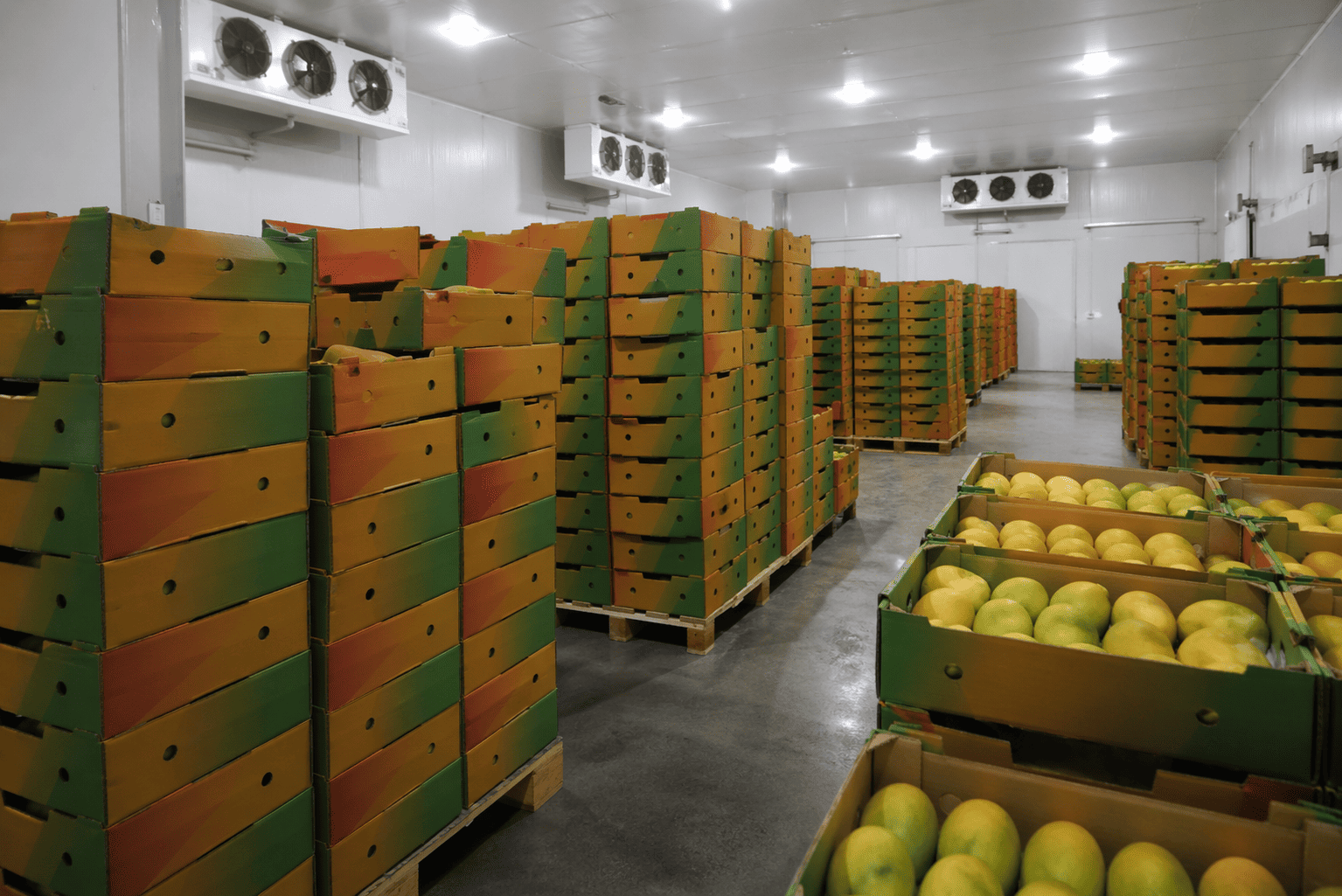
When people think about mango exports, they usually imagine cartons, shipping containers, and airport cargo. But the real journey starts much earlier-at the farm level.
This is where the most important decisions are made: which mangoes will be exported, which will be rejected, and how quality is controlled before the fruit even leaves the orchard.
Farm-level selection is not random picking. It’s a structured process involving experienced pickers, graders, and exporters who work together under strict timing and quality rules.
If you understand how mangoes are selected at the farm stage, you will understand why some exporters succeed globally while others struggle-even with the same variety.
Step 1: Identifying the Right Orchard
Not Every Farm Is Suitable for Export
Export-grade mangoes don’t come from just any orchard. Buyers and exporters usually pre-select farms based on:
- Tree health and age
- Historical fruit quality
- Pest control practices
- Irrigation management
Before harvesting begins, exporters visit orchards to check:
- Fruit setting quality
- Expected yield
- Disease or pest risk
Only farms that meet basic export standards are selected for supply contracts.
Step 2: Monitoring Fruit Growth Stage
Timing Is Everything
Mangoes are monitored closely from flowering to maturity.
Farm teams track:
- Flowering success rate
- Fruit size development
- Color changes
Maturity Assessment Before Harvest
Export mangoes are not picked based on color alone. Experts check:
- Skin texture
- Aroma development
- Dry matter content
- Shoulder formation
This ensures mangoes ripen properly after export, not before.
Step 3: Manual Harvesting Process
Skilled Pickers Are Essential
Mango harvesting for export is done manually. Machines are not used because fruit damage must be minimized.
Pickers are trained to:
- Cut fruit with proper stem length
- Avoid dropping mangoes
- Prevent skin scratches
Harvesting Tools and Technique
Special tools are used, such as:
- Long-handled picking poles
- Soft collection baskets
- Foam-lined containers
Even small mistakes at this stage can reduce export quality.
Step 4: Initial Sorting at Farm Level
First Stage of Selection Begins Immediately
After harvesting, mangoes are taken to a shaded area for initial sorting.
Here, workers separate fruit into:
- Export grade
- Local market grade
- Rejects
What Gets Rejected Early
Mangoes are removed if they have:
- Bruises or cuts
- Irregular shape
- Insect damage
- Undersized growth
Only visually perfect fruit moves forward.
Step 5: Size and Weight Grading
Export Requires Uniformity
One of the most important export requirements is uniform size.
Mangoes are sorted into categories like:
- Large (premium export)
- Medium (standard export)
- Small (limited use)
Weight-Based Selection
Each mango is checked for weight consistency.
For example:
- Chaunsa: usually 250g–350g preferred
- Sindhri: larger sizes often preferred for Gulf markets
Uniformity improves market value significantly.
Step 6: Quality Control Checks
Visual Inspection
Each mango is examined for:
- Skin color
- Surface smoothness
- Shape consistency
Firmness Testing
Mangoes are gently pressed to check firmness. This helps determine:
- Transport durability
- Ripening potential
Internal Quality Sampling
Random samples may be cut to check:
- Sugar level (Brix)
- Fiber content
- Internal defects
Step 7: Pre-Cooling and Field Handling
Temperature Control Begins Early
After sorting, mangoes are kept in shaded or cooled environments.
This reduces:
- Heat stress
- Premature ripening
- Moisture loss
Importance of Pre-Cooling
Without proper cooling, mangoes can spoil before reaching packing houses.
Pre-cooling helps:
- Extend shelf life
- Maintain firmness
- Improve export performance
Step 8: Transport to Packing House
Careful Movement from Farm to Facility
Selected mangoes are transported in covered vehicles to avoid heat and damage.
During transport:
- Overloading is avoided
- Ventilation is maintained
- Movement is minimized
Step 9: Final Export Grading at Packing House
Second Layer of Selection
At the packing house, mangoes undergo another strict check.
Here, exporters ensure:
- Final grading accuracy
- Defect removal
- Market-specific sorting
Export Standards Are Applied
Only mangoes meeting export standards are packed, including:
- Clean skin
- Proper shape
- Correct size category
- No visible defects
Step 10: Packaging Preparation
Export Carton Filling
Mangoes are packed carefully into cartons with:
- Foam protection
- Paper wrapping (in some cases)
- Air ventilation holes
Labeling and Traceability
Each box includes:
- Farm details
- Variety name
- Grade and size
- Exporter information
This is essential for international traceability.
Why Farm-Level Selection Matters So Much
It Defines Final Export Quality
No matter how good logistics or packaging is, poor farm selection cannot be fixed later.
Reduces Shipment Losses
Proper selection reduces:
- Spoilage
- Rejection at destination
- Customer complaints
Builds Long-Term Buyer Trust
Consistent farm-level quality leads to:
- Repeat orders
- Strong importer relationships
- Better pricing power
Common Mistakes at Farm Level
- Harvesting too early or too late
- Mixing grades during sorting
- Poor handling during picking
- Ignoring uniformity standards
- Lack of cooling before transport
These mistakes directly affect export success.
Practical Insights for Buyers and Exporters
- Work only with experienced orchard managers
- Ensure trained pickers handle harvesting
- Demand proper grading at source
- Always verify pre-cooling systems
- Insist on uniform export standards
Conclusion
Mango export success doesn’t start in warehouses or shipping containers-it starts in the orchard.
Farm-level selection is a disciplined process where every detail matters: timing, handling, grading, and cooling all decide the final quality that reaches international buyers.
Exporters who invest in strong farm-level control don’t just improve fruit quality-they build a reputation that wins long-term global contracts.
In mango trade, the real difference between average and premium exporters is made at the farm.