
Introduction
Himalayan pink salt has gained global popularity as a natural and mineral rich alternative to regular table salt. Known for its distinctive pink color and purity, it is widely used in food, wellness, and even animal care.
Sourced from the Himalayan Salt Mines, this salt is valued for its natural formation, minimal processing, and multiple applications across industries.
What is Himalayan Pink Salt?
Origin and Formation
Himalayan pink salt is a rock salt formed over millions of years through the evaporation of ancient sea bodies. It is mined from deep underground deposits, protected from modern pollutants.
Key Characteristics
- Natural pink color due to mineral content
- Minimally processed and unrefined
- Free from additives and chemicals
Nutritional Composition and Minerals
Essential Minerals Present
Himalayan pink salt contains trace minerals such as:
- Calcium
- Magnesium
- Potassium
- Iron
These minerals contribute to its color and perceived health benefits.
How It Differs from Table Salt
Unlike refined salt, Himalayan pink salt:
- Is less processed
- Contains trace minerals
- Does not include anti caking agents
Health Benefits of Pink Salt
- Supports Hydration
Pink salt helps maintain electrolyte balance, which is essential for proper hydration.
- Promotes Better Digestion
It may stimulate digestive enzymes, improving nutrient absorption.
- Balances Body pH
Some believe it helps maintain a healthy pH balance, though scientific evidence is limited.
- Respiratory Support
Used in salt therapy, it may support respiratory health.
Important Note
While pink salt has benefits, it should be consumed in moderation, just like regular salt.
Culinary Uses of Himalayan Pink Salt
Everyday Cooking
Pink salt is widely used in:
- Cooking and seasoning
- Marinades and grilling
- Baking recipes
Gourmet Presentation
It is popular for:
- Salt blocks for grilling and serving
- Finishing salt for dishes
Why Chefs Prefer It
- Mild, balanced flavor
- Attractive presentation
- Natural origin
Bath and Wellness Uses
Pink Salt in Bath Therapy
Himalayan pink salt is commonly used in bath salts for relaxation and skincare.
Benefits of Bath Salt
- Helps relax muscles
- May improve skin texture
- Provides a spa like experience
Spa and Wellness Industry
Many wellness centers use Himalayan salt for:
- Salt baths
- Salt rooms (halotherapy)
- Body scrubs
Animal Uses: Salt Licks
Importance for Livestock
Pink salt is also used as a natural mineral supplement for animals.
Benefits of Salt Licks
- Provides essential minerals
- Supports animal health
- Encourages natural feeding behavior
Common Applications
- Cattle and livestock farms
- Wildlife reserves
- Pet mineral supplements
Industrial and Decorative Uses
Home Décor
Himalayan salt is used in:
- Salt lamps
- Decorative items
Other Applications
- Food preservation
- De icing (in some regions)
Quality and Grading of Pink Salt
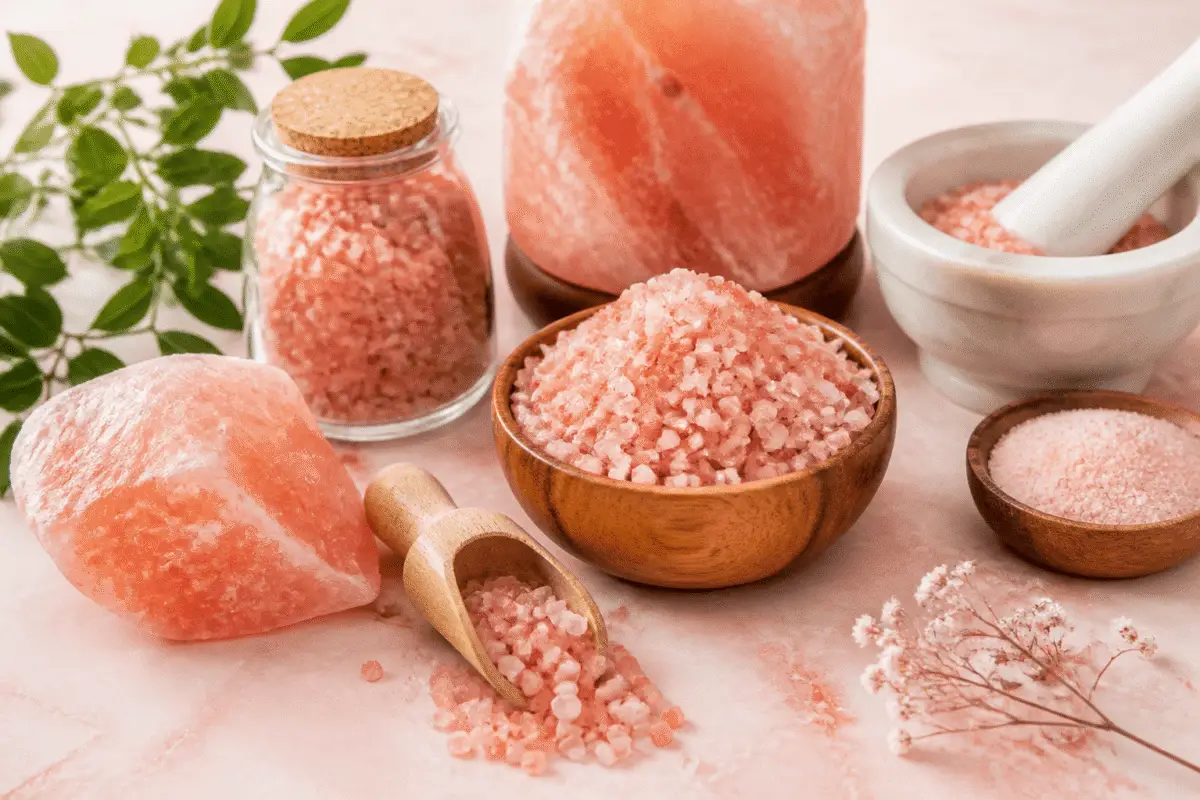
Different Forms Available
- Fine grain
- Coarse grain
- Salt blocks
- Crystals
Quality Indicators
- Natural color consistency
- Purity level
- Proper packaging
Global Demand for Himalayan Pink Salt
Growing Market Trends
The demand for pink salt is increasing due to:
- Rising health awareness
- Preference for natural products
- Expansion of wellness industries
Export Opportunities
Countries like Pakistan are leading exporters due to abundant natural reserves.
Challenges in the Pink Salt Industry
- Quality Control Issues Maintaining consistent purity
- Market Competition Increasing global suppliers
- Misleading Health Claims Lack of scientific backing for some benefits
- Supply Chain Management Ensuring timely delivery
Why Choose Himalayan Pink Salt?
Key Advantages
- Natural and unrefined
- Multi purpose usage
- Rich in trace minerals
- Environmentally sourced
Future of Pink Salt Industry
Emerging Trends
- Increased use in wellness products
- Growth in organic food markets
- Expansion in global exports
Industry Potential
Himalayan pink salt continues to gain recognition as a premium natural product in food and health sectors.
Conclusion
Himalayan pink salt is more than just a seasoning ingredient. Its versatility across culinary, wellness, and animal care industries makes it a valuable natural resource.
From enhancing food flavor to supporting relaxation and livestock health, pink salt offers a wide range of applications. However, like all salts, it should be used responsibly and in moderation.
FAQs
- What is Himalayan pink salt?
A natural rock salt mined from ancient deposits in Pakistan. - Is pink salt healthier than regular salt?
It contains trace minerals but should still be consumed in moderation. - Can pink salt be used for cooking?
Yes, it is widely used in everyday cooking and gourmet dishes. - What are bath salt benefits?
It helps relaxation, muscle relief, and skin care. - What is a salt lick?
A mineral block used by animals for nutrition. - Does pink salt improve digestion?
It may support digestive processes. - Is it safe for daily use?
Yes, in moderate amounts. - Where is it sourced from?
Primarily from Pakistan’s Himalayan region. - What forms are available?
Fine, coarse, crystals, and blocks. - Why is it pink?
Due to trace minerals like iron.