

The global food industry is changing rapidly, and dry onion powder has become one of the most in-demand spice ingredients worldwide. For Pakistan, this creates a strong opportunity to expand its role in the international spice export market.
Today, importers are not only looking for supply—they are looking for:
- Consistent quality
- Reliable sourcing countries
- Stable pricing trends
- Clean-label and safe ingredients
Pakistan, with its strong agricultural base and growing processing industry, is increasingly positioning itself as a competitive exporter of dry onion powder.
In this article, I will explain in a simple and practical way the future of dry onion powder export from Pakistan, focusing on global market trends and demand growth opportunities.
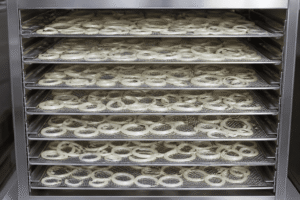
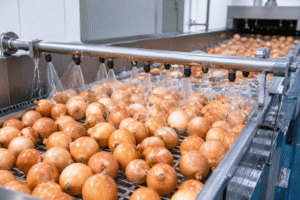
Global Demand Growth for Dry Onion Powder
The global onion powder market is showing steady expansion.
Recent industry insights indicate:
- Global demand is growing due to processed food consumption
- Market value is expected to continue rising in coming years
- CAGR growth is driven by food manufacturing and QSR industries
Why Demand Is Increasing Globally
Key reasons include:
- Growth of fast food chains
- Rising packaged food consumption
- Demand for convenience ingredients
- Longer shelf-life compared to fresh onions
What This Means for Pakistan
For exporters in Pakistan:
- More opportunities in bulk supply
- Higher demand for consistent quality
- Strong growth in Middle East, Europe, and Asia markets
Pakistan’s Position in Global Supply Chain
Pakistan is strategically located in a region known for agriculture and spice production.
Key Strengths
- Strong onion farming base
- Competitive production costs
- Access to raw agricultural supply
- Growing dehydration and processing industry
Export Advantage
Pakistan can compete in:
- Middle Eastern spice markets
- South Asian food manufacturing supply chains
- Emerging African import markets
Trend 1: Shift Toward Processed Ingredients
Global food manufacturing is shifting from raw ingredients to processed forms.
Why This Matters
Dry onion powder is preferred because it:
- Reduces preparation time
- Offers consistent flavor
- Has long shelf life
- Is easy to transport globally
Export Impact for Pakistan
This trend increases demand for:
- Bulk onion powder shipments
- Industrial-grade seasoning ingredients
Trend 2: Growth of Clean-Label and Natural Products
Modern consumers prefer natural food ingredients.
Market Direction
- Demand for additive-free spices is increasing
- Organic seasoning products are growing faster than conventional ones
Opportunity for Pakistan
Exporters can benefit by focusing on:
- Pure onion powder
- No chemical additives
- Transparent sourcing
Trend 3: Expansion of Foodservice and QSR Industry
The global rise of:
- Fast food chains
- Restaurants
- Catering services
Why It Matters
Foodservice businesses need:
- Consistent flavor ingredients
- Bulk supply reliability
- Cost-effective seasoning solutions
Export Opportunity
Pakistan can supply:
- Bulk industrial packaging
- Standardized onion powder grades
Trend 4: Increasing Demand in USA and Europe
North America and Europe are major import markets.
Market Behavior
- High demand for processed food ingredients
- Strong focus on quality compliance
- Preference for consistent suppliers
Growth Outlook
Europe is expected to see steady growth in onion powder consumption due to adoption in processed and international cuisines
Trend 5: Technology-Driven Processing Improvements
Modern dehydration technology is improving product quality.
Improvements Include
- Better aroma retention
- Lower moisture levels
- Improved shelf stability
Impact on Pakistan
Investing in:
- Advanced drying systems
- Quality control labs
- Standardized production
Emerging Growth Markets for Pakistan
1. Middle East
- Strong demand for spices
- High consumption in food industry
- Preference for bulk imports
2. Europe
- Growing demand for clean-label ingredients
- Expanding processed food sector
3. North America
- Large packaged food industry
- High demand for seasoning products
4. Asia-Pacific
- Expanding food manufacturing base
- Strong regional spice trade
Key Challenges Pakistan Must Address
Despite strong potential, there are challenges:
Quality Consistency
Global buyers demand uniform quality in every shipment.
Logistics Efficiency
Delayed shipments reduce buyer confidence.
Compliance Standards
Strict food safety regulations in Western markets.
Branding and Trust
Need for stronger exporter branding in global markets.
What Successful Exporters Will Focus On
Future-ready exporters in Pakistan will focus on:
- Standardized production systems
- Strong quality control
- Reliable logistics partners
- Certifications and compliance
- Long-term buyer relationships
Future Outlook for Pakistan’s Export Growth
The global onion powder market is expected to grow significantly, driven by convenience food demand and clean-label trends
For Pakistan, this means:
- Increasing export opportunities
- Stronger presence in global spice trade
- Shift from raw exports to value-added products
Simple Summary of Trends
| Trend | Impact on Pakistan |
| Processed food growth | Higher demand |
| Clean-label products | Premium pricing opportunities |
| QSR expansion | Bulk supply contracts |
| Global trade growth | Market expansion |
Conclusion
The future of dry onion powder export from Pakistan is highly promising. Global demand is increasing, and the market is shifting toward processed, consistent, and high-quality spice ingredients.
Pakistan has strong potential to become a key supplier, but success will depend on:
- Quality consistency
- Processing standards
- Reliable logistics
- Compliance with global requirements
Because in the future of global spice trade, countries that deliver quality + consistency + trust will lead the market.