
Debunking common casino myths What you need to know
Understanding the House Edge
One of the most pervasive myths in the casino world is the idea that players can overcome the house edge through strategies or systems. The reality is that the house edge is built into every game, ensuring that the casino retains a percentage of all bets made over time. This means that while players can win in the short term, the odds are statistically always in favor of the casino in the long run. For those interested in combining entertainment with realistic expectations, a real money online casino can offer an engaging experience.
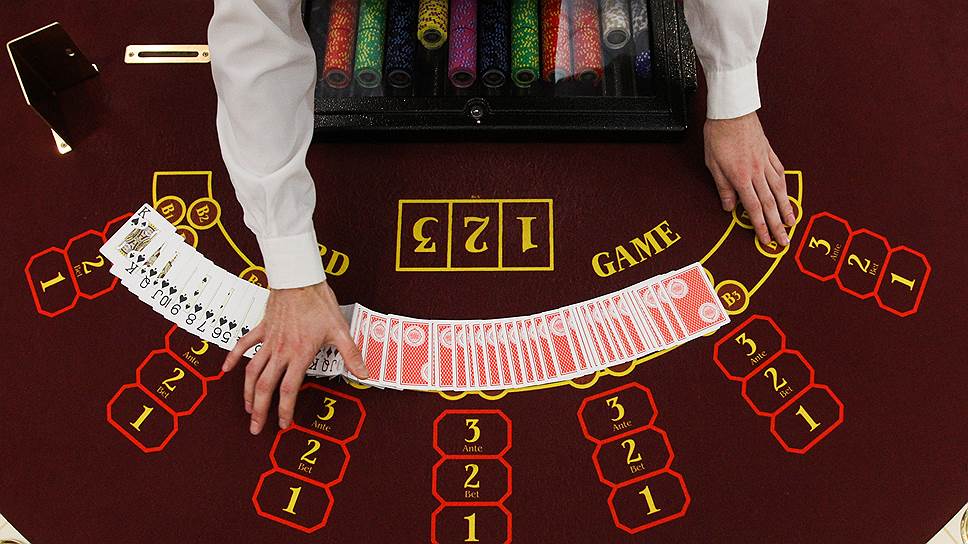
Many believe that certain games, like slots or roulette, can be beaten by employing specific betting strategies. However, these strategies do not change the inherent probabilities of the games. Each spin of a slot machine or each roll of the roulette wheel is independent, making it impossible to predict or influence the outcome based on previous results.
Myth of “Hot” and “Cold” Machines
Another common misconception is that slot machines exhibit hot and cold streaks. Players often believe that if a machine hasn’t paid out in a while, it is “due” for a big win. Conversely, they might think that a machine that has just paid out is “cold” and should be avoided. However, slot machines are designed using random number generators, meaning each spin is completely random and unaffected by prior spins.
This myth can lead players to make irrational decisions about which machines to play. The reality is that each machine has the same odds at any given time, regardless of previous payouts. Understanding this can help players make more informed choices and enjoy their gaming experience without the stress of chasing losses or anticipating wins based on faulty logic.
The Illusion of Control
Many gamblers believe they can control the outcome of a game through various techniques, whether it’s timing their bets, using specific rituals, or even manipulating the machine. This belief stems from a misunderstanding of how casino games operate. In reality, the outcomes are determined by chance and statistical probabilities, not by player actions.
This myth can lead to frustration and excessive gambling as players try to exert control over an uncontrollable situation. Understanding that luck plays a significant role can foster a healthier attitude toward gambling, encouraging players to view it as a form of entertainment rather than a reliable means of income.
The Fallacy of Betting Systems
Betting systems, such as the Martingale system or Fibonacci sequence, suggest that players can guarantee profits by adjusting their bets based on previous outcomes. While these systems may seem appealing, they are fundamentally flawed because they do not change the odds of winning. In fact, they can lead to significant losses during losing streaks, as players may end up betting more than they can afford.
Players should be cautious of any system that promises consistent wins, as no betting strategy can alter the inherent randomness of casino games. It’s essential to approach gambling with a clear budget and an understanding of the risks involved, rather than relying on dubious methods that offer false hope.

Security and Support from the Website
This website serves as a valuable resource for understanding casino myths and ensuring a safe gambling experience. By providing insights into common misconceptions, it helps players make informed decisions and enjoy gaming responsibly. With a strong emphasis on security, the site employs robust measures to protect its content and users.
If you ever encounter access issues while visiting, the website offers support to help resolve these blocks quickly. Utilizing advanced security services, it ensures that your browsing experience remains safe while safeguarding your sensitive information. Reaching out for assistance is encouraged if you believe you’ve been mistakenly blocked, enhancing communication and support for all users.