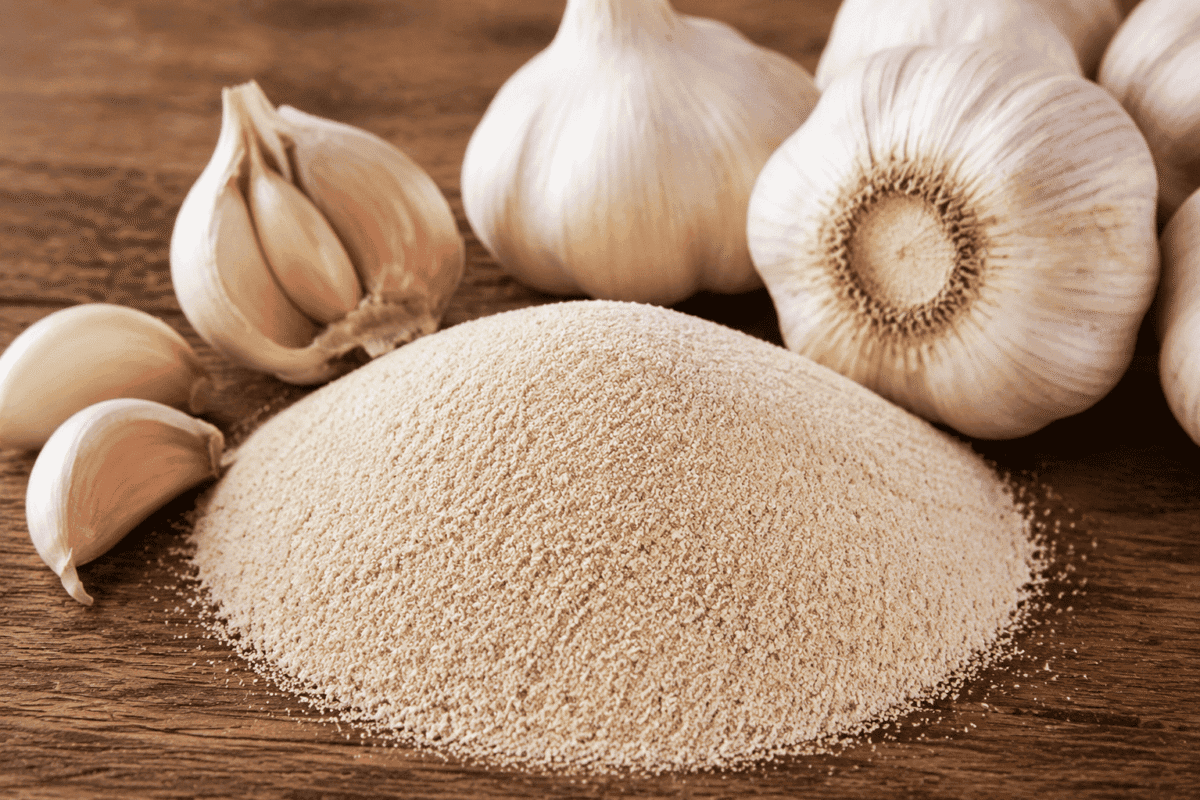
dry mango podwers (20)

Export Documentation and Compliance Process for Dry Mango Powder Shipments

Introduction

Exporting dry mango powder (amchur) to international markets requires more than product quality and competitive pricing. One of the most critical aspects of global trade is export documentation and compliance.

Without proper documentation, even high-quality shipments can be delayed, rejected, or penalized at customs. Importers and regulatory authorities require complete transparency in terms of certifications, product safety, and shipment details.

This guide explains the full documentation and compliance process needed for successful dry mango powder exports.

Why Documentation is Critical in Export Trade

Documentation serves as the foundation of international transactions.

Key Functions

  • Ensures legal compliance
  • Facilitates customs clearance
  • Confirms product quality and origin
  • Protects both buyer and seller

Incomplete or incorrect documents can result in:

  • Shipment delays
  • Additional costs
  • Rejection at destination ports

Core Export Documents Required

Every shipment must include a standard set of documents.

  1. Commercial Invoice

Contains:

  • Buyer and seller details
  • Product description
  • Quantity and price
  • Payment terms
  1. Packing List

Includes:

  • Packaging details
  • Number of bags or cartons
  • Gross and net weight
  1. Bill of Lading (B/L)

Issued by shipping line:

  • Confirms shipment loading
  • Acts as proof of ownership
  • Required for cargo release
  1. Certificate of Origin
  • Confirms country of production
  • Required for customs and trade agreements

Certifications Required for Export

Certifications prove compliance with international food safety standards.

Mandatory Certifications

  • HACCP (Food Safety System)
  • ISO 22000
  • Food safety compliance based on destination market

Market-Specific Certifications

  • Halal certification (Middle East)
  • FDA compliance (USA)
  • EU food safety regulations

Importance of Certifications

  • Build buyer trust
  • Speed up customs clearance
  • Reduce risk of rejection

Quality and Inspection Documentation

Before shipment, products must pass quality checks.

Pre-Shipment Inspection (PSI)

Conducted by:

  • Third-party inspection agencies
  • Buyer-appointed inspectors

Inspection Covers

  • Product quality
  • Packaging condition
  • Quantity verification

Lab Testing Reports

  • Moisture content
  • Microbial safety
  • Chemical analysis

These reports are often required by importers and authorities.

Customs Clearance Process (Export Side)

Export clearance involves several steps:

Step 1: Documentation Submission

Exporters submit required documents to customs authorities.

Step 2: Customs Verification

Authorities check:

  • Product details
  • Compliance with export regulations
  • Documentation accuracy

Step 3: Inspection (if required)

Physical inspection may be conducted.

Step 4: Export Approval

Once cleared, shipment is allowed to leave the country.

Import Customs Clearance Process

At the destination country, importers must complete:

Document Submission

  • Bill of lading
  • Commercial invoice
  • Certificates

Regulatory Checks

  • Food safety compliance
  • Certification verification

Duty and Tax Payment

Importers pay applicable duties before release.

Final Clearance

Shipment is released for distribution.

Role of HS Code in Export Documentation

What is HS Code?

Harmonized System (HS) code is used to classify goods internationally.

Importance

  • Determines import duties
  • Helps in customs classification
  • Ensures correct documentation

Incorrect HS codes can cause delays or penalties.

Compliance Requirements for Major Markets

European Union (EU)

  • Strict food safety regulations
  • Traceability requirements
  • Labeling compliance

United States (USA)

  • FDA registration
  • Food safety verification

Middle East (GCC)

  • Halal certification
  • Arabic labeling
  • Import permits

Each market has unique compliance standards.

Common Documentation Mistakes

  1. Incorrect Product Description

Leads to customs confusion and delays.

  1. Missing Certificates

Results in shipment rejection.

  1. Inconsistent Information

Mismatch between documents causes verification issues.

  1. Expired Certifications

Invalid documents are not accepted.

How Exporters Can Ensure Smooth Compliance

To avoid issues, exporters should:

  • Maintain updated certifications
  • Double-check all documents before shipment
  • Work with experienced freight forwarders
  • Understand destination market requirements
  • Use standardized documentation systems

Digitalization in Export Documentation

Modern exporters use digital tools for efficiency.

Benefits

  • Faster processing
  • Reduced errors
  • Real-time tracking

Examples

  • Electronic Bill of Lading (eB/L)
  • Online certification systems

Digitalization improves compliance accuracy.

Export Documentation Checklist

Before shipment, ensure:

  • Commercial invoice prepared
  • Packing list verified
  • Bill of lading issued
  • Certificate of origin available
  • Certifications valid and attached
  • Inspection reports completed

Conclusion

Export documentation and compliance are essential components of dry mango powder trade. Proper documentation ensures smooth customs clearance, builds buyer trust, and prevents costly delays.

Exporters who maintain accurate records, valid certifications, and strong compliance systems can operate efficiently in global markets and build long term international partnerships.

FAQs

  1. What is the most important export document?

The commercial invoice is the primary document for all transactions.

  1. Why are certifications required?

They ensure product safety and compliance with international standards.

  1. What happens if documentation is incorrect?

It can lead to delays, penalties, or shipment rejection.

  1. What is a Bill of Lading?

A document that confirms shipment and ownership of goods.

  1. Do all shipments require inspection?

Not always, but many buyers request pre-shipment inspection.

  1. What is HS code used for?

To classify goods and determine import duties.

  1. How can exporters avoid documentation errors?

By verifying all documents and using standardized processes. 

dry mango podwers (18)

How Global Buyers Differentiate Premium vs Commercial Grade Dry Mango Powder

Introduction

In international trade, not all dry mango powder (amchur) is equal. Global buyers, especially food manufacturers, spice brands, and distributors carefully distinguish between premium grade and commercial grade products before making purchasing decisions.

This differentiation is based on technical quality indicators, laboratory testing, and application suitability. Even small variations in quality can impact final food products, making accurate grading essential.

This article explains how professional buyers evaluate and classify dry mango powder in global markets.

Why Grade Differentiation Matters

Different grades serve different purposes:

  • Premium grade: Used in branded and high-quality food products
  • Commercial grade: Used in bulk processing and cost-sensitive applications

Incorrect grading can lead to:

  • Product inconsistency
  • Customer dissatisfaction
  • Financial losses

Key Technical Quality Indicators

Buyers rely on measurable parameters to classify product quality.

  1. Moisture Content

Premium Grade

  • ≤8% moisture

Commercial Grade

  • Up to 10-12% moisture

Why It Matters

Lower moisture:

  • Improves shelf life
  • Prevents microbial growth
  • Maintains free flowing texture
  1. Color Consistency

Premium Grade

  • Bright yellow to light golden color

Commercial Grade

  • Duller or darker shade

Importance

Color reflects:

  • Quality of raw mango
  • Processing conditions
  • Drying method
  1. Particle Size and Texture

Premium Grade

  • Fine, uniform powder
  • Smooth texture

Commercial Grade

  • Coarser particles
  • Inconsistent texture

Impact

Uniform particle size ensures:

  • Better mixing in food products
  • Consistent flavor distribution
  1. Aroma and Flavor Profile

Premium Grade

  • Strong natural mango aroma
  • Balanced sourness

Commercial Grade

  • Weaker aroma
  • Possible off notes

Importance

Flavor directly affects final product quality.

  1. Purity and Contamination Level

Premium Grade

  • Free from foreign particles
  • No visible impurities

Commercial Grade

  • May contain minor impurities

Impact

Purity is critical for food safety and brand reputation.

Laboratory Testing Parameters

Global buyers rely heavily on lab testing to confirm quality.

Microbiological Testing

Tests for:

  • E. coli (must be absent)
  • Salmonella (must be absent)
  • Total plate count (within limits)

Premium grade requires stricter limits.

Chemical Analysis

Includes:

  • Acidity level
  • pH value
  • Moisture verification

These factors determine:

  • Shelf life
  • Flavor stability

Adulteration Testing

Ensures:

  • No added fillers or starch
  • Pure mango content

Adulteration is a major concern in commercial grade products.

Processing Methods and Their Impact on Quality

Premium Grade Processing

  • Controlled mechanical dehydration
  • Advanced grinding systems
  • Strict hygiene standards

Commercial Grade Processing

  • Basic drying methods
  • Less controlled grinding
  • Lower quality control

Processing quality directly influences final grading.

Certification and Compliance Differences

Premium Grade Suppliers

  • HACCP certified
  • ISO 22000 compliant
  • International food safety standards

Commercial Grade Suppliers

  • May have limited certifications
  • Lower compliance standards

Certifications increase trust and market acceptance.

Application-Based Grade Selection

Different industries choose grades based on usage.

Premium Grade Applications

  • Branded spice products
  • Gourmet food manufacturing
  • Export retail packaging

Commercial Grade Applications

  • Bulk seasoning production
  • Industrial food processing
  • Cost-sensitive markets

Price Differences Between Grades

Pricing varies significantly:

  • Premium grade: Higher price due to quality and processing
  • Commercial grade: Lower cost but reduced quality

Price difference can range from 15% to 40% depending on market conditions.

Sensory Evaluation by Buyers

Beyond lab tests, buyers conduct sensory analysis.

Key Checks

  • Visual inspection (color and texture)
  • Smell test (aroma strength)
  • Taste test (sourness balance)

Experienced buyers can quickly identify grade differences.

Common Mistakes in Grade Evaluation

  1. Relying Only on Samples

Shipment quality may differ from sample.

  1. Ignoring Lab Testing

Leads to inaccurate quality assessment.

  1. Overlooking Processing Methods

Production techniques impact final quality.

  1. Choosing Based on Price Alone

Lower cost often means lower quality.

How Suppliers Can Achieve Premium Grade Standards

To meet premium expectations, suppliers should:

  • Use high-quality raw mango
  • Implement controlled dehydration
  • Maintain strict hygiene practices
  • Conduct regular lab testing
  • Ensure consistent batch production

Consistency is key to premium classification.

Conclusion

Global buyers differentiate premium and commercial grade dry mango powder using a combination of technical parameters, lab testing, and sensory evaluation. Moisture content, color, texture, aroma, and purity are the primary indicators.

For exporters, achieving premium-grade standards requires investment in processing, quality control, and compliance systems. Suppliers who consistently meet these standards gain access to high-value international markets and long-term contracts.

FAQs

  1. What defines premium dry mango powder?

Low moisture, bright color, fine texture, strong aroma, and high purity.

  1. How do buyers test product quality?

Through lab testing and sensory evaluation.

  1. What is the moisture level for premium grade?

Typically below 8%.

  1. Why is color important?

It reflects processing quality and raw material quality.

  1. Is commercial grade safe to use?

Yes, but it may have lower quality and consistency.

  1. Why is lab testing important?

It ensures food safety and confirms product specifications.

  1. Can commercial grade be upgraded to premium?

Only with improved processing and quality control systems. 

dry mango podwers (16)

Why Supply Consistency Is More Valuable Than Low Price in Dry Mango Powder Trade

Introduction

In the global market for dry mango powder (amchur), many new buyers focus heavily on finding the lowest price. However, experienced importers and international brands prioritize something far more critical: supply consistency.

A slightly cheaper product may seem attractive initially, but inconsistent supply can disrupt production, damage brand reputation, and lead to long-term financial losses. That’s why global buyers value reliable suppliers who deliver the same quality, quantity, and timelines consistently.

This article explains why supply consistency is more valuable than low pricing in international trade.

What Supply Consistency Means in Export Trade

Supply consistency refers to a supplier’s ability to:

  • Deliver the same quality in every batch
  • Maintain stable production volumes
  • Meet delivery timelines reliably
  • Ensure uninterrupted supply across seasons

Why Low Price Can Be Misleading

Hidden Risks Behind Cheap Pricing

Low-cost suppliers often compromise on:

  • Raw material quality
  • Processing standards
  • Quality control systems

Long-Term Impact

  • Inconsistent product quality
  • Shipment rejections
  • Loss of customer trust

What looks cheaper initially can become expensive due to operational risks.

Impact of Supply Consistency on Long-Term Contracts

Stability for Buyers

Large importers and manufacturers prefer suppliers who can:

  • Commit to long-term volume agreements
  • Deliver without delays
  • Maintain fixed quality standards

Contract Benefits

  • Predictable pricing
  • Secure supply chain
  • Reduced sourcing risk

Without consistency, long term contracts become unreliable.

Role of Consistency in Brand Trust

Why Brands Care About Consistency

Food brands rely on uniform product quality to:

  • Maintain taste and flavor profiles
  • Meet customer expectations
  • Protect brand identity

Risk of Inconsistency

Even slight variation in dry mango powder can cause:

  • Changes in product taste
  • Customer complaints
  • Negative reviews

Consistency directly impacts brand reputation.

How Consistency Drives Repeat Orders

Buyer Behavior in Global Trade

Importers prefer to work with suppliers who:

  • Deliver consistent quality
  • Communicate clearly
  • Meet deadlines

Result

  • Repeat orders
  • Long-term partnerships
  • Increased order volume

Reliable suppliers often grow faster through repeat business rather than new customer acquisition.

Cost of Inconsistent Supply

Inconsistency can create hidden costs:

Operational Losses

  • Production downtime
  • Reformulation of products
  • Increased quality testing

Financial Losses

  • Shipment rejection costs
  • Return logistics
  • Loss of contracts

Brand Damage

  • Customer dissatisfaction
  • Loss of market credibility

These costs are often higher than any savings from lower pricing.

Key Factors That Ensure Supply Consistency

  1. Strong Raw Material Sourcing
  • Reliable farmer network
  • Consistent mango quality
  1. Standardized Processing Systems
  • Controlled drying and grinding
  • Batch-level quality control
  1. Inventory Management
  • Stock availability
  • Buffer inventory
  1. Logistics Reliability
  • Timely shipments
  • Efficient supply chain coordination

Why Global Buyers Prioritize Consistency

For Food Manufacturers

  • Need uniform ingredients for production

For Retail Brands

  • Require consistent packaging and taste

For Distributors

  • Depend on reliable supply to meet demand

Consistency reduces uncertainty across the entire supply chain.

Price vs Value: A Strategic Perspective

Low Price Strategy

  • Short term savings
  • Higher long-term risk

Consistency Based Strategy

  • Stable operations
  • Long-term profitability
  • Strong supplier relationships

How Suppliers Can Build Consistent Supply

To meet global expectations, exporters should:

  • Invest in quality control systems
  • Maintain consistent raw material sourcing
  • Implement batch tracking and traceability
  • Develop strong logistics partnerships
  • Plan production based on demand forecasting
  • Consistency requires operational discipline and planning.

Real-World Buyer Approach

Most experienced buyers follow this strategy:

  1. Test supplier with trial order
  2. Evaluate consistency across multiple shipments
  3. Enter long-term contract
  4. Increase order volume over time

Common Mistakes Buyers Make

  1. Choosing Lowest Price Supplier

Leads to inconsistent quality and supply issues.

  1. Ignoring Supplier Capacity

Small suppliers may fail to meet large demand.

  1. Not Monitoring Batch Consistency

Results in unexpected product variation.

  1. Switching Suppliers Frequently

Disrupts supply chain stability.

Benefits of Working with Consistent Suppliers

  • Reliable product quality
  • Reduced operational risk
  • Better planning and forecasting
  • Stronger business relationships
  • Higher long term profitability

Conclusion

In the dry mango powder export industry, supply consistency is far more valuable than low price. While cheap sourcing may offer short-term savings, it often leads to long-term challenges in quality, reliability, and brand reputation.

Global buyers prioritize suppliers who deliver consistent results, enabling stable production, repeat orders, and long-term contracts. Exporters who focus on consistency over cost-cutting gain a competitive advantage and sustainable growth in international markets.

FAQs

  1. Why is supply consistency important in export trade?

It ensures stable quality, reliable delivery, and long-term business relationships.

  1. Is low price always a good strategy?

No, it often comes with hidden risks like poor quality and inconsistent supply.

  1. How does consistency affect brand trust?

Consistent quality maintains product standards and customer satisfaction.

  1. What do buyers prefer: price or consistency?

Experienced buyers prioritize consistency over price.

  1. How does consistency lead to repeat orders?

Reliable suppliers build trust, encouraging long-term partnerships.

  1. What are the risks of inconsistent supply?

Production delays, financial loss, and brand damage.

  1. How can suppliers improve consistency?

By strengthening sourcing, quality control, and logistics systems. 

dry mango powder new image (1)

Why Export Packaging Standards Decide Success in Dry Mango Powder Trade

Introduction

In the global trade of dry mango powder (amchur), product quality alone is not enough. Even the best-quality powder can fail in international markets if packaging standards are not properly maintained.

Export packaging plays a critical role in protecting the product from moisture, contamination, and quality degradation during long-distance shipping. It also ensures compliance with strict international regulations.

For exporters, packaging is not just a protective layer, it is a key factor that determines product acceptance, shelf life, and brand reputation.

Why Packaging Matters in Export Markets

Dry mango powder is highly sensitive to environmental conditions.

Key Risks Without Proper Packaging

  • Moisture absorption
  • Clumping of powder
  • Loss of aroma and flavor
  • Microbial growth
  • Contamination during transit

International shipments often take 15-40 days, making packaging a critical success factor.

Moisture Control: The Most Critical Packaging Function

Why Moisture is Dangerous

Dry mango powder easily absorbs moisture due to its fine particle size.

Effects of Moisture Exposure

  • Lump formation
  • Color darkening
  • Loss of free-flowing texture
  • Reduced shelf life

Moisture Control Solutions

Exporters use:

  • Multi-layer laminated bags
  • Polyethylene inner liners
  • Vacuum sealing
  • Nitrogen flushing (for premium products)

Industry Standard

Moisture content must be maintained at ≤10% throughout storage and transit.

Packaging and Shelf Life Stability

Role of Packaging in Shelf Life

Proper packaging helps maintain:

  • Flavor intensity
  • Natural aroma
  • Texture consistency

Shelf Life Expectation

Global buyers require:

  • Minimum 12-24 months shelf life

Factors That Affect Shelf Life

  • Packaging material quality
  • Storage conditions
  • Exposure to air and humidity

High-quality packaging extends product usability and reduces returns.

Types of Export Packaging Used

Bulk Packaging (Industrial Buyers)

  • 20-25 kg food grade bags
  • Multi-layer paper or laminated sacks
  • Inner moisture barrier liners

Retail Packaging (Consumer Market)

  • 100g to 1kg pouches
  • Stand up zipper bags
  • Airtight containers

Premium Packaging

  • Vacuum-sealed packs
  • Nitrogen-flushed packaging

Each type is designed for specific market needs.

International Compliance Requirements

Packaging must meet global regulatory standards.

Mandatory Compliance Factors

  • Food-grade material certification
  • Non-toxic packaging materials
  • Proper sealing standards

Labeling Requirements

Export labels must include:

  • Product name
  • Net weight
  • Batch number
  • Manufacturing and expiry date
  • Country of origin

Market-Specific Requirements

  • EU: Strict labeling and traceability
  • USA: FDA compliance
  • Middle East: Arabic labeling and Halal certification

Failure to meet compliance can result in shipment rejection at ports.

Role of Packaging in Logistics and Transportation

Packaging directly affects shipping performance.

Key Logistics Considerations

  • Resistance to pressure and stacking
  • Protection during handling
  • Compatibility with container storage

Container Conditions

  • Exposure to humidity
  • Temperature fluctuations
  • Long transit durations

Strong packaging ensures product safety during these conditions.

Packaging and Brand Perception

For retail markets, packaging also influences customer perception.

Visual Appeal

  • Clean and professional design
  • Clear labeling
  • High-quality material

Brand Trust

Well-packaged products:

  • Build consumer confidence
  • Increase repeat purchases
  • Strengthen brand identity

Cost vs Quality in Packaging Decisions

Low-Cost Packaging Risks

  • Higher product damage
  • Increased returns
  • Loss of buyer trust

High-Quality Packaging Benefits

  • Reduced wastage
  • Longer shelf life
  • Better market acceptance

Packaging typically accounts for 5-10% of total cost, but its impact is much higher.

Common Packaging Mistakes in Export

  1. Using Non-Food-Grade Materials

Leads to contamination risks.

  1. Poor Sealing Quality

Allows moisture entry.

  1. Weak Packaging Structure

Results in damage during transit.

  1. Incomplete Labeling

Causes customs clearance issues.

How Exporters Can Improve Packaging Standards

To succeed globally, exporters should:

  • Invest in high-quality packaging materials
  • Use moisture-proof and airtight solutions
  • Follow international labeling standards
  • Test packaging under real shipping conditions
  • Align packaging with buyer requirements

Key Packaging Checklist for Exporters

Before shipment, ensure:

  • Moisture-proof sealing
  • Proper labeling and documentation
  • Strong and durable outer packaging
  • Compliance with destination country regulations
  • Correct batch traceability

Conclusion

Export packaging is a decisive factor in the success of dry mango powder trade. It protects the product from moisture, preserves shelf life, and ensures compliance with international standards.

For exporters, investing in proper packaging is not an optional cost, it is a strategic requirement. Companies that maintain high packaging standards gain a competitive edge and build long-term trust with global buyers.

FAQs

  1. Why is packaging important in dry mango powder export?

It protects the product from moisture, contamination, and quality loss.

  1. What is the ideal shelf life for export?

Typically 12 to 24 months with proper packaging.

  1. What type of packaging is used for bulk export?

20–25 kg multi-layer food-grade bags with inner liners.

  1. How does moisture affect dry mango powder?

It causes clumping, spoilage, and reduced shelf life.

  1. What are key labeling requirements?

Product details, batch number, expiry date, and country of origin.

  1. Can poor packaging cause shipment rejection?

Yes, especially if it fails compliance or damages product quality.

  1. How can exporters improve packaging quality?

By using moisture-proof materials, proper sealing, and following global standards.

dry mango powder new image (2)

Step-by-Step Industrial Processing of Export-Grade Dry Mango Powder

Introduction

The production of export-grade dry mango powder (amchur) is a highly controlled industrial process. Unlike traditional methods, international markets demand consistent quality, food safety compliance, and standardized processing systems.

From raw mango selection to final packaging, every step must follow strict protocols to ensure color retention, flavor stability, and microbial safety.

This guide explains the complete step-by-step industrial process used to produce high-quality dry mango powder for global export.

Overview of Industrial Processing Stages

The production process typically involves:

  1. Raw mango selection
  2. Washing and cleaning
  3. Peeling and slicing
  4. Dehydration (drying process)
  5. Grinding and sieving
  6. Quality control testing

Packaging and storage

Each stage plays a critical role in final product quality.

Step 1: Raw Mango Selection

Importance of Raw Material

Quality begins with selecting the right mangoes.

Selection Criteria

  • Unripe (green) mangoes for strong sourness
  • Firm texture with low fiber
  • Free from disease and damage

Impact on Final Product

  • Better aroma
  • Consistent acidity
  • Natural color retention

Poor-quality raw mango leads to inferior powder.

Step 2: Washing and Cleaning

Purpose

To remove:

  • Dirt
  • Pesticide residues
  • Microbial contaminants

Industrial Process

  • Multi-stage washing system
  • Use of clean water and sanitizing agents

Hygiene Importance

Proper cleaning reduces contamination risk and ensures food safety compliance.

Step 3: Peeling and Slicing

Peeling Process

  • Mechanical or manual peeling
  • Removal of outer skin to improve color

Slicing Process

  • Uniform thin slices for efficient drying
  • Controlled thickness to ensure even dehydration

Why Uniformity Matters

  • Prevents uneven drying
  • Maintains consistent quality

Step 4: Dehydration (Drying Process)

Dehydration is the most critical stage in processing.

Drying Methods

Sun Drying (Traditional)

  • Low cost
  • Longer drying time
  • Less controlled quality

Mechanical Dehydration (Industrial Standard)

  • Controlled temperature (50-60°C)
  • Faster and more consistent drying
  • Better color and hygiene

Target Moisture Level

  • Typically below 8-10%

Importance of Dehydration

  • Prevents microbial growth
  • Extends shelf life
  • Preserves flavor and nutrients

Step 5: Grinding and Milling Technology

Grinding Process

Dried mango slices are ground into powder using:

  • Hammer mills
  • Pulverizers
  • Cryogenic grinding (premium quality)

Advanced Grinding Benefits

  • Fine and uniform particle size
  • Reduced heat generation
  • Better aroma retention

Sieving Process

  • Removes coarse particles
  • Ensures consistent texture

Particle size consistency is crucial for industrial applications.

Step 6: Quality Control and Testing

Export-grade products undergo strict testing.

Physical Testing

  • Color uniformity
  • Texture consistency
  • Moisture level

Microbiological Testing

  • Absence of harmful bacteria (E. coli, Salmonella)
  • Total plate count within safe limits

Chemical Testing

  • Acidity level
  • Adulteration checks

Documentation

  • Batch records
  • Lab reports
  • Quality certificates

Step 7: Hygiene and Food Safety Control

Hygiene Standards

Factories must follow:

  • HACCP (Hazard Analysis Critical Control Point)
  • GMP (Good Manufacturing Practices)

Worker Hygiene

  • Protective clothing
  • Gloves and masks
  • Hand sanitation

Facility Hygiene

  • Clean processing environment
  • Pest control systems
  • Waste management protocols

Hygiene directly impacts export approval.

Step 8: Packaging Process

Packaging Requirements

  • Food-grade materials
  • Moisture-proof bags
  • Vacuum or nitrogen flushing (premium products)

Labeling Details

  • Product name
  • Batch number
  • Manufacturing and expiry date
  • Country of origin

Packaging Formats

  • Bulk: 20-25 kg bags
  • Retail: 100g-1kg packs

Step 9: Storage and Shelf Life Management

Storage Conditions

  • Cool and dry environment
  • Controlled humidity
  • Protection from sunlight

Shelf Life

  • Typically 12-24 months

Proper storage maintains quality during export and distribution.

Key Quality Parameters for Export-Grade Powder

International buyers expect:

  • Moisture: ≤10%
  • Fine and uniform texture
  • Natural yellow-brown color
  • Strong sour aroma
  • No contamination

Common Processing Mistakes

  1. Improper Drying

Leads to high moisture and spoilage.

  1. Overheating During Grinding

Reduces aroma and color quality.

  1. Poor Hygiene Practices

Causes microbial contamination.

  1. Inconsistent Particle Size

Affects industrial usability.

How Manufacturers Ensure Premium Quality

Leading exporters implement:

  • Automated processing systems
  • Real-time quality monitoring
  • Controlled drying technology
  • Strict hygiene protocols
  • Continuous staff training

These practices ensure consistent export-grade quality.

Conclusion

The industrial processing of dry mango powder is a multi-step, precision-driven system. From raw mango selection to final packaging, each stage must meet strict international standards.

Export success depends on controlled dehydration, advanced grinding technology, and strong hygiene practices. Manufacturers who follow these processes can deliver consistent, high-quality products that meet global buyer expectations.

FAQs

  1. What is the most important step in processing?

Dehydration, as it directly affects shelf life and quality.

  1. What moisture level is required for export?

Typically below 8-10%.

  1. Which drying method is best?

Mechanical dehydration is preferred for export quality.

  1. What type of grinding is used?

Hammer mills, pulverizers, and advanced cryogenic grinding.

  1. Why is hygiene important in processing?

To prevent contamination and meet international food safety standards.

  1. What is the shelf life of dry mango powder?

Usually 12 to 24 months under proper storage conditions.

  1. What packaging is used for export?

Moisture-proof, food-grade bulk or retail packaging.