Debunking common casino myths What you need to know

Debunking common casino myths What you need to know

Understanding the House Edge

One of the most pervasive myths in the casino world is the idea that players can overcome the house edge through strategies or systems. The reality is that the house edge is built into every game, ensuring that the casino retains a percentage of all bets made over time. This means that while players can win in the short term, the odds are statistically always in favor of the casino in the long run. For those interested in combining entertainment with realistic expectations, a real money online casino can offer an engaging experience.
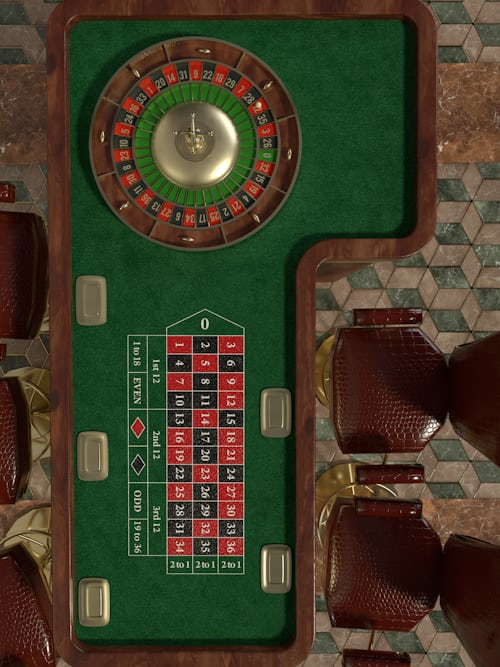
Many believe that certain games, like slots or roulette, can be beaten by employing specific betting strategies. However, these strategies do not change the inherent probabilities of the games. Each spin of a slot machine or each roll of the roulette wheel is independent, making it impossible to predict or influence the outcome based on previous results.

Myth of “Hot” and “Cold” Machines

Another common misconception is that slot machines exhibit hot and cold streaks. Players often believe that if a machine hasn’t paid out in a while, it is “due” for a big win. Conversely, they might think that a machine that has just paid out is “cold” and should be avoided. However, slot machines are designed using random number generators, meaning each spin is completely random and unaffected by prior spins.

This myth can lead players to make irrational decisions about which machines to play. The reality is that each machine has the same odds at any given time, regardless of previous payouts. Understanding this can help players make more informed choices and enjoy their gaming experience without the stress of chasing losses or anticipating wins based on faulty logic.

The Illusion of Control

Many gamblers believe they can control the outcome of a game through various techniques, whether it’s timing their bets, using specific rituals, or even manipulating the machine. This belief stems from a misunderstanding of how casino games operate. In reality, the outcomes are determined by chance and statistical probabilities, not by player actions.

This myth can lead to frustration and excessive gambling as players try to exert control over an uncontrollable situation. Understanding that luck plays a significant role can foster a healthier attitude toward gambling, encouraging players to view it as a form of entertainment rather than a reliable means of income.

The Fallacy of Betting Systems

Betting systems, such as the Martingale system or Fibonacci sequence, suggest that players can guarantee profits by adjusting their bets based on previous outcomes. While these systems may seem appealing, they are fundamentally flawed because they do not change the odds of winning. In fact, they can lead to significant losses during losing streaks, as players may end up betting more than they can afford.

Players should be cautious of any system that promises consistent wins, as no betting strategy can alter the inherent randomness of casino games. It’s essential to approach gambling with a clear budget and an understanding of the risks involved, rather than relying on dubious methods that offer false hope.

Security and Support from the Website

This website serves as a valuable resource for understanding casino myths and ensuring a safe gambling experience. By providing insights into common misconceptions, it helps players make informed decisions and enjoy gaming responsibly. With a strong emphasis on security, the site employs robust measures to protect its content and users.

If you ever encounter access issues while visiting, the website offers support to help resolve these blocks quickly. Utilizing advanced security services, it ensures that your browsing experience remains safe while safeguarding your sensitive information. Reaching out for assistance is encouraged if you believe you’ve been mistakenly blocked, enhancing communication and support for all users.

Exploring the real differences between online and offline gambling experiences

Exploring the real differences between online and offline gambling experiences

The Convenience of Online Gambling

Online gambling has revolutionized the way people engage with games of chance and skill. One of the most significant advantages is convenience, as players can indulge in online real money slots from the comfort of their homes or while on the go, eliminating the need to travel to a physical location. This flexibility allows for a more personalized experience, where individuals can play at their own pace and choose when they want to participate.

Moreover, online platforms operate 24/7, providing users with the opportunity to gamble whenever they wish. This round-the-clock availability caters to diverse schedules and preferences, making it accessible for anyone regardless of their time constraints. Players can enjoy various games, including slots, poker, and sports betting, without the limitations often found in brick-and-mortar casinos.

The Social Aspects of Offline Gambling

While online gambling offers convenience, offline gambling presents unique social experiences. In physical casinos, players can enjoy the ambiance and excitement of being surrounded by other gamblers. The thrill of being in a crowded room, interacting with fellow players, and engaging with live dealers adds a dynamic layer to the gambling experience that cannot be replicated online.

Additionally, offline environments often host events and tournaments that foster camaraderie among players. The ability to celebrate wins with friends or commiserate over losses in person creates lasting memories. The social interactions found in physical casinos can enhance the overall enjoyment and can lead to a sense of community among regular visitors.

Technology and Game Variety

The impact of technology on gambling has been profound, particularly in the online arena. Online platforms typically offer a more extensive variety of games than most physical casinos. With advancements in software, players can access thousands of options, including innovative games with unique themes, bonus features, and interactive gameplay. This broad selection caters to diverse tastes and preferences, ensuring that every player can find something suited to their liking.

Moreover, technology enhances the gaming experience through features such as live dealer games and virtual reality options. These advancements create an immersive experience that brings the casino atmosphere to players’ screens. As technology continues to evolve, online gambling experiences are likely to become even more engaging and realistic, further bridging the gap between online and offline gaming.

Security and Regulation

Security is a paramount concern in both online and offline gambling environments. However, the approaches to ensuring safety can differ significantly. Online gambling platforms often invest heavily in cybersecurity measures to protect users’ personal and financial information. Advanced encryption technologies and secure payment systems work together to provide a safe gambling experience. Players can easily verify the legitimacy of online casinos through licensing and regulatory bodies.

In contrast, offline casinos are subject to strict regulations and oversight. They are physically monitored to ensure compliance with laws, which can provide a sense of safety for players. However, incidents of theft or fraud can occur in crowded environments, where personal security may be at risk. Understanding the security measures of both settings is vital for players when deciding where to gamble.

Conclusion on Online and Offline Gambling Experiences

In summary, both online and offline gambling experiences offer unique advantages and challenges. Online gambling provides unmatched convenience and a broader variety of games, appealing to those who prioritize flexibility. Conversely, offline gambling fosters social interactions and a vibrant atmosphere that many players find enjoyable.

Ultimately, the choice between online and offline gambling comes down to personal preferences and lifestyle. Players should consider their desires for social engagement, variety, and security when choosing where to place their bets. Regardless of the chosen platform, both formats have their charm and appeal in the ever-evolving world of gambling.

Exploring the psychological thrill behind high-stakes gambling decisions

Exploring the psychological thrill behind high-stakes gambling decisions

The Allure of Risk

The thrill of high-stakes gambling is deeply rooted in the human psyche. Individuals are often drawn to the adrenaline rush associated with placing large bets, which can lead to significant financial gains or devastating losses. This psychological allure is closely tied to risk-taking behaviors, where the potential for reward outweighs the fear of losing. For many, the excitement stems from the uncertainty and the perceived control over outcomes, creating a complex emotional experience that can be both exhilarating and terrifying. As they explore these feelings, some may find themselves drawn to real money poker, which offers its own unique set of challenges.

Moreover, the environment of a casino, filled with bright lights and sounds, amplifies these feelings. The stimulation from surroundings can heighten emotions and create a sense of urgency, further fueling the desire to engage in high-stakes betting. This sensory overload can lead to impulsive decisions that may not be in the gambler’s best interest, revealing how psychology plays a crucial role in gambling behaviors.

The Role of Cognitive Biases

Cognitive biases significantly influence gambling decisions, often leading players to underestimate risks and overestimate their chances of winning. For example, the illusion of control can make gamblers believe they can influence the outcome of games of chance. This mindset encourages individuals to take more significant risks, convinced that their skills or strategies can lead to favorable results. Consequently, they might place larger bets, ignoring the statistical reality that randomness governs these games.

Additionally, confirmation bias can cause gamblers to remember wins more vividly than losses. This selective memory fosters a false sense of success, which can propel them to engage in further high-stakes gambling. Recognizing these cognitive distortions is vital for understanding why individuals continue to gamble despite negative outcomes, highlighting the complex interplay between psychology and decision-making in this high-risk arena.

The Impact of Social Influence

Social factors play a pivotal role in shaping high-stakes gambling behaviors. Friends, family, and even broader societal norms can influence an individual’s decision to participate in gambling activities. The desire for social acceptance or the thrill of shared experiences can lead to increased risk-taking, as individuals often feel more confident when part of a group. This social dynamic is particularly evident in environments like casinos, where camaraderie can amplify the excitement associated with high-stakes games.

Moreover, the influence of social media cannot be overlooked. With platforms showcasing glamorous lifestyles often tied to gambling, individuals may feel pressure to engage in high-stakes betting to fit a certain image or lifestyle. This can create a cycle where the need for validation and excitement drives people to make impulsive decisions in pursuit of social approval, further complicating their relationship with gambling.

Emotional and Psychological Consequences

The psychological thrill of high-stakes gambling is not without its repercussions. Many individuals experience a rollercoaster of emotions, from euphoria during wins to despair during losses. These intense emotional fluctuations can lead to anxiety, depression, and a host of other mental health issues. The highs and lows of gambling can create a reliance on the thrill itself, leading some to develop gambling disorders that necessitate intervention.

Additionally, the financial implications of high-stakes gambling can exacerbate these emotional struggles. Significant losses can lead to feelings of shame and regret, often resulting in a vicious cycle where individuals chase losses to recapture their initial highs. Understanding these psychological consequences is crucial for gamblers seeking to navigate the delicate balance between thrill-seeking and responsible gaming.

Conclusion and Website Purpose

In exploring the psychological thrill behind high-stakes gambling decisions, it becomes evident that a multitude of factors influences how individuals engage in this risky activity. From cognitive biases to social influences, the interplay of psychology in gambling is intricate and profound. As the landscape of gambling continues to evolve, understanding these psychological aspects is essential for both gamblers and those seeking to assist them.

Our website aims to provide resources and information for individuals looking to understand the psychological dynamics of gambling better. By fostering awareness and promoting responsible gaming practices, we hope to help players navigate the complex world of high-stakes gambling with greater insight and care.

Kulturens roll i spel och dess påverkan på samhället

Kulturens roll i spel och dess påverkan på samhället

Spel och kulturhistorik

Spel har genom historien varit en viktig del av mänsklig kultur. Redan i antiken använde människor spel för att underhålla sig själva och varandra. I olika kulturer har spel tagit många former, från brädspel till hasardspel, och dessa aktiviteter har ofta återspeglat samhällsnormer och värderingar. Genom att studera spelens historia kan vi få en djupare förståelse för hur kulturella faktorer har format spelens utveckling. För den som vill fördjupa sig kan du läs mer om ämnet.

I Sverige har traditionella spel som kortspel och brädspel haft en central plats i sociala sammanhang. Dessa spel har inte bara varit en källa till nöje utan också en möjlighet för människor att knyta kontakter och bygga relationer. Den kulturella betydelsen av spel visar hur de fungerar som en spegel av samhällsstrukturer och hur individer relaterar till varandra.

Modern teknik och spelkultur

I takt med den teknologiska utvecklingen har spel förändrats dramatiskt. Dagens digitala spel skapar en ny form av kultur där spelare interagerar online, oavsett geografisk plats. Detta har lett till framväxten av globala spelgemenskaper, där delade upplevelser och tävlingar för samman människor över hela världen. Digitaliseringen har inte bara förändrat hur vi spelar, utan också hur vi uppfattar spel och dess roll i samhället. Många använder dessa plattformar för att få tips för betting on sports, vilket skapar en ny dimension av engagemang och tävling.

Med dessa nya teknologier följer också nya kulturella fenomen, som e-sport och streaming. Spelare kan nu bli professionella och skapa karriärer kring sina färdigheter, vilket ytterligare förstärker spelens status i vår moderna kultur. Denna förändring ger upphov till diskussioner kring vad det innebär att vara “spelkunnig” och hur vi värderar olika typer av spelande i samhället.

Spelens påverkan på sociala normer

Spel har en unik förmåga att påverka sociala normer och värderingar. Många spel innehåller teman och berättelser som speglar samhällsfrågor, såsom makt, ojämlikhet och identitet. Genom att engagera sig i dessa berättelser kan spelare utmana sina egna uppfattningar och fördomar, vilket kan leda till en ökad medvetenhet och förståelse för andra kulturer.

Utöver detta kan spel också fungera som en plattform för att ta upp viktiga sociala frågor. Många spel har inkluderat teman som hållbarhet, psykisk hälsa och social rättvisa, vilket ger spelare möjlighet att reflektera över dessa frågor i en interaktiv miljö. Denna form av interaktivt lärande gör spel till ett kraftfullt verktyg för att påverka samhällsnormer och uppmuntra förändring.

Kulturell påverkan av spelmissbruk

Trots de positiva aspekterna av spel finns det också negativa konsekvenser, såsom spelmissbruk. Detta fenomen har blivit alltmer uppmärksammat i samhället och väcker frågor kring ansvar och etik inom spelindustrin. Spelmissbruk kan påverka individer och deras relationer, vilket i sin tur kan ha en negativ påverkan på samhället som helhet.

Det är viktigt att erkänna och adressera de kulturella och sociala faktorer som bidrar till spelmissbruk. Utbildning, medvetenhet och stödåtgärder är avgörande för att hjälpa individer att hantera sina spelvanor. Samtidigt måste spelutvecklare ta sitt ansvar och arbeta för att skapa säkrare spelmiljöer som främjar hälsosamt spelande.

Om vår webbplats

Vår webbplats är en plattform för att utforska och förstå spelens kultur och dess påverkan på samhället. Vi strävar efter att erbjuda djupgående analyser och insikter kring hur spel formar och reflekterar våra liv. Genom att samla och dela information hoppas vi kunna öka medvetenheten och främja en diskussion kring dessa viktiga frågor.

Vi är dedikerade till att skapa en säker och informativ miljö för våra besökare, där kunskap och förståelse står i fokus. Genom att använda vår webbplats kan du få en bättre förståelse för de komplexa relationerna mellan spel, kultur och samhälle.

Understanding responsible gambling A guide to making informed choices

Understanding responsible gambling A guide to making informed choices

The Importance of Responsible Gambling

Responsible gambling is essential for ensuring a safe and enjoyable gaming experience. It emphasizes making informed choices and understanding the risks associated with gambling activities. By practicing responsible gambling, players can enjoy their favorite games while minimizing the chances of developing harmful habits or addiction. Many top PayID casinos allow users to play using payid, offering a smooth experience that promotes better money management and enjoyment.

Moreover, responsible gambling encourages individuals to set limits on their time and money spent on gaming. This proactive approach not only protects players but also promotes a healthier relationship with gambling, helping to prevent negative consequences that can arise from excessive play.

Recognizing the Signs of Problem Gambling

Identifying the signs of problem gambling is crucial for individuals who may be at risk. Common indicators include chasing losses, neglecting personal responsibilities, and feeling compelled to gamble despite negative outcomes. Recognizing these behaviors early can facilitate intervention and support.

Additionally, emotional changes, such as increased anxiety or irritability when unable to gamble, can signal that a person might need to reassess their gambling habits. Awareness and acknowledgment of these signs are vital steps towards seeking help and making informed choices.

Tools for Responsible Gambling

Many casinos and online platforms offer tools to promote responsible gambling. These can include features like deposit limits, time-outs, and self-exclusion options, allowing players to control their gambling habits effectively. Utilizing these tools can help individuals stay within their limits and maintain a balanced gaming lifestyle.

In addition, educational resources and support hotlines are often available to assist those who may need guidance. Accessing these resources can provide invaluable information and support for individuals seeking to maintain control over their gambling activities.

The Role of Awareness in Gambling Psychology

Understanding the psychology behind gambling can significantly enhance responsible gaming practices. Factors such as cognitive biases, emotional triggers, and social influences can impact a player’s decisions and behaviors. By being aware of these psychological elements, individuals can make more informed choices while gambling.

Education on these aspects allows players to recognize when they might be acting irrationally or impulsively. Developing this awareness can lead to healthier gambling habits, fostering an environment where enjoyment and safety go hand in hand.

Explore Responsible Gambling Resources

For those looking to deepen their understanding of responsible gambling, various resources are available that provide guidance and support. These platforms often offer comprehensive information on strategies for safe gambling practices, as well as links to professional support services.

Engaging with these resources empowers players to make informed decisions about their gaming activities, ensuring that their experiences remain enjoyable and free from the risks associated with gambling addiction. By prioritizing responsible gambling, individuals can fully appreciate the entertainment value of gaming while safeguarding their well-being.